Portuguese
  Spanish


Scientific expedition identifies new species, reveals the ecological strength of Lisima and shows why the region has become a priority for researchers
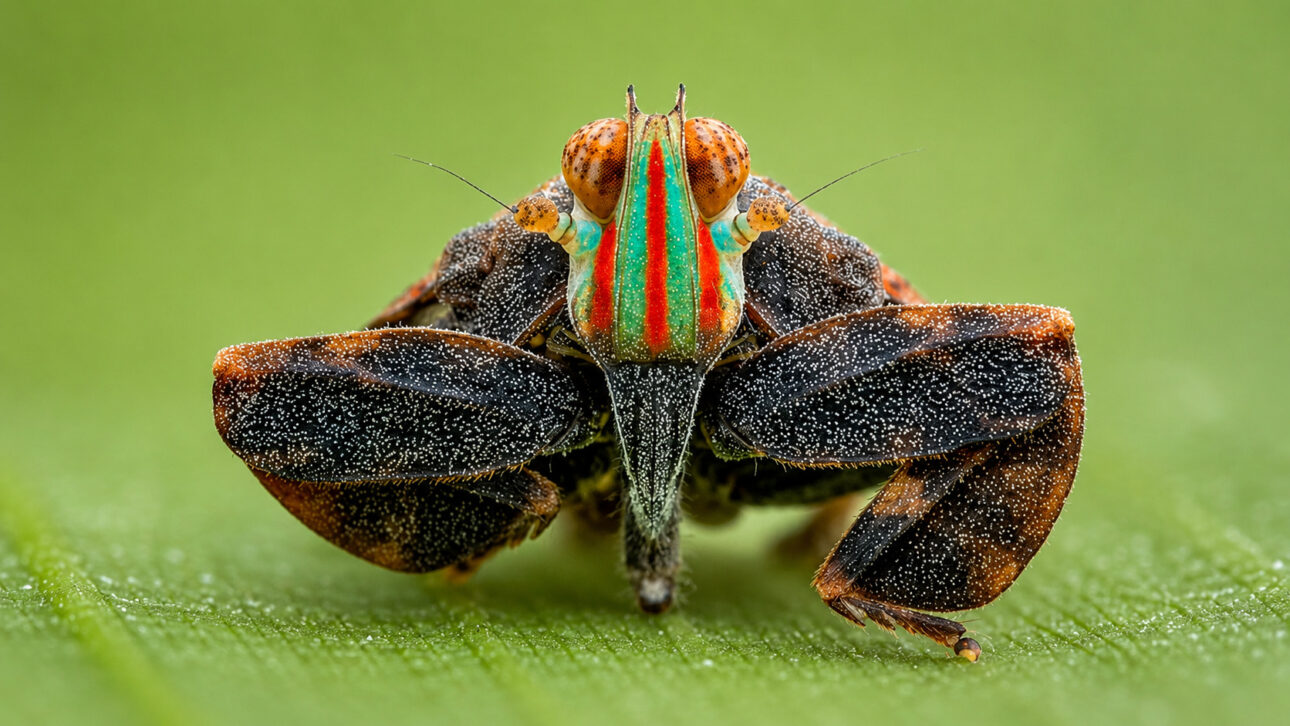
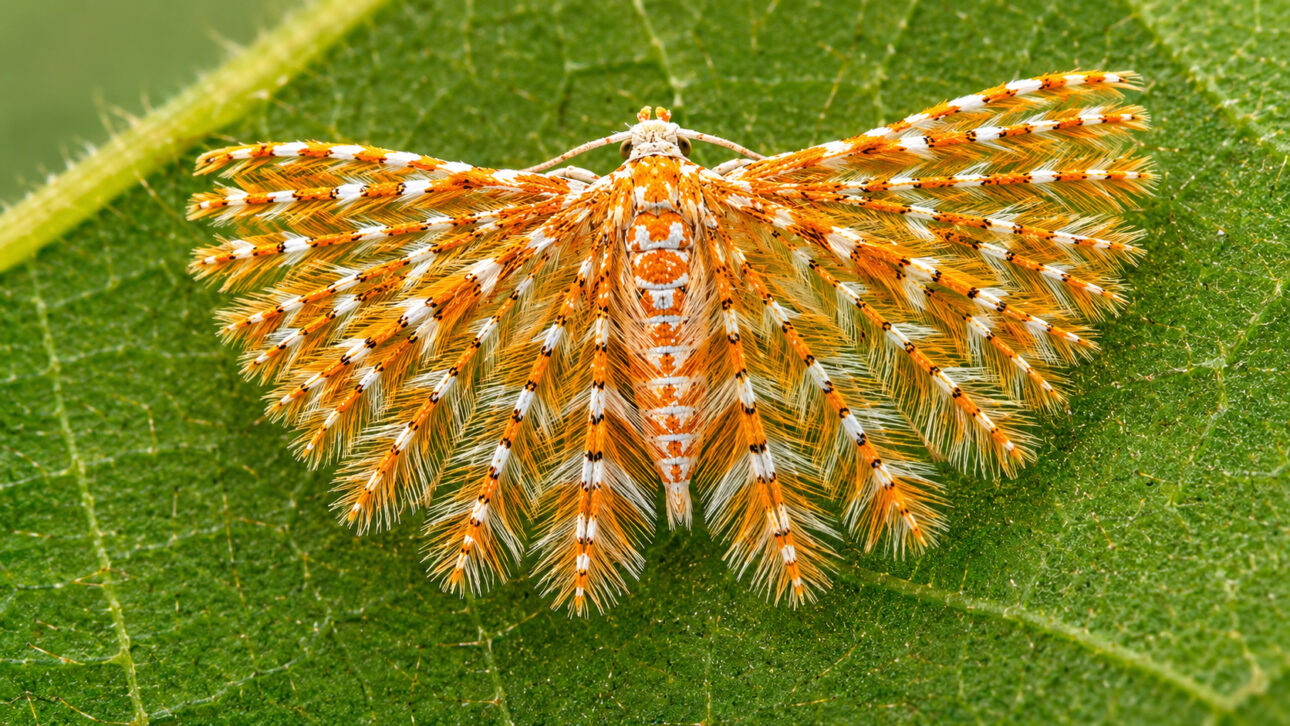
A scientific discovery of great environmental impact was recently recorded in Angola, attracting international attention. A fluorescent crowned crab spider is among dozens of new species found on the Lisima Plateau, a region that hosts the sources of four of Africa’s largest river systems: Congo, Okavango, Zambezi, and Cuanza. The survey also identified an armored predator cricket, a copper caterpillar, eight species of dragonflies, three of grasshoppers, and about 60 moths and butterflies unknown to science. This finding reinforces the importance of an area considered a global biodiversity hotspot, but still little studied by the scientific community.
Expedition reveals hidden wealth in Angola
The discovery occurred during the Cassai Life Atlas, a survey promoted by The Wilderness Project, with the participation of 16 Angolan and international specialists. In February 2026, the group began an analysis of the fauna and flora on the Lisima Plateau, a remote area that had been distant from scientific research for decades. Armed conflicts and landmines kept researchers away from the region, which left much of its biodiversity out of scientific records. The progress of the survey, therefore, began to reveal species that help to measure the natural wealth of Angola.
Small species reveal giant biodiversity
The main focus of the expedition involved small animals, such as insects, reptiles, amphibians, bats, and plants. The results drew attention because the region showed a significant concentration of new species, especially among insects and other little-studied organisms. According to Klaas-Douwe Dijkstra, a dragonfly specialist and researcher at the Naturalis Biodiversity Center in the Netherlands, the sandy plateau of Lisima releases some of the clearest freshwater in Africa. This characteristic is evident in the dragonflies and damselflies of the region, with several highly specialized species found nowhere else.
-
Indian School in Assam Expands Enrollment by Accepting Plastic Waste as Tuition Payment

-
Parintins Festival 2026 Celebrates Amazonian Tradition with Three Nights of Competition Between Caprichoso and Garantido, Highlighting Its Cultural Significance in Brazil

-
Brazilian Mayor Goes Undercover as a Person with Disability, Exposes Public Service Flaws
-
Brazilian Siblings Transform Invasive Algaroba into Sustainable, Cost-Effective Lobster Fishing Solution, Winning Youth Challenge




Research values Angolan natural heritage
Angolan biologist Laurinda Mandela de Fraga stated that the work represents much more than scientific participation. For her, the research offers an opportunity to contribute to biological knowledge and to the appreciation of Angola’s natural heritage. The specialist also highlighted that the survey leaves a lasting contribution for future generations of Angolans. This effort reinforces the pride and responsibility to protect an area considered unique by science.
Threats increase pressure on Lisima
The biodiversity of the Lisima Plateau arouses enthusiasm but also causes concern among specialists involved in the project. Researchers fear that the documentation of species is a race against time, as many of them may disappear before being fully known. The region faces pressure from activities such as diamond mining, agriculture, logging, and settlement expansion. This scenario makes scientific knowledge a fundamental step to protect the species and preserve the ecological importance of Lisima.

The future of biodiversity on the plateau
The expedition to the Lisima Plateau shows that Angola still holds areas capable of revealing important discoveries for science. The presence of a fluorescent spider, rare insects, and dozens of unknown species reinforces the ecological value of a region connected to major African river systems. The survey also indicates that preservation depends on knowledge, monitoring, and appreciation of the territory.
How many species might still be hidden in Lisima even before receiving a scientific name?