Portuguese
  Spanish


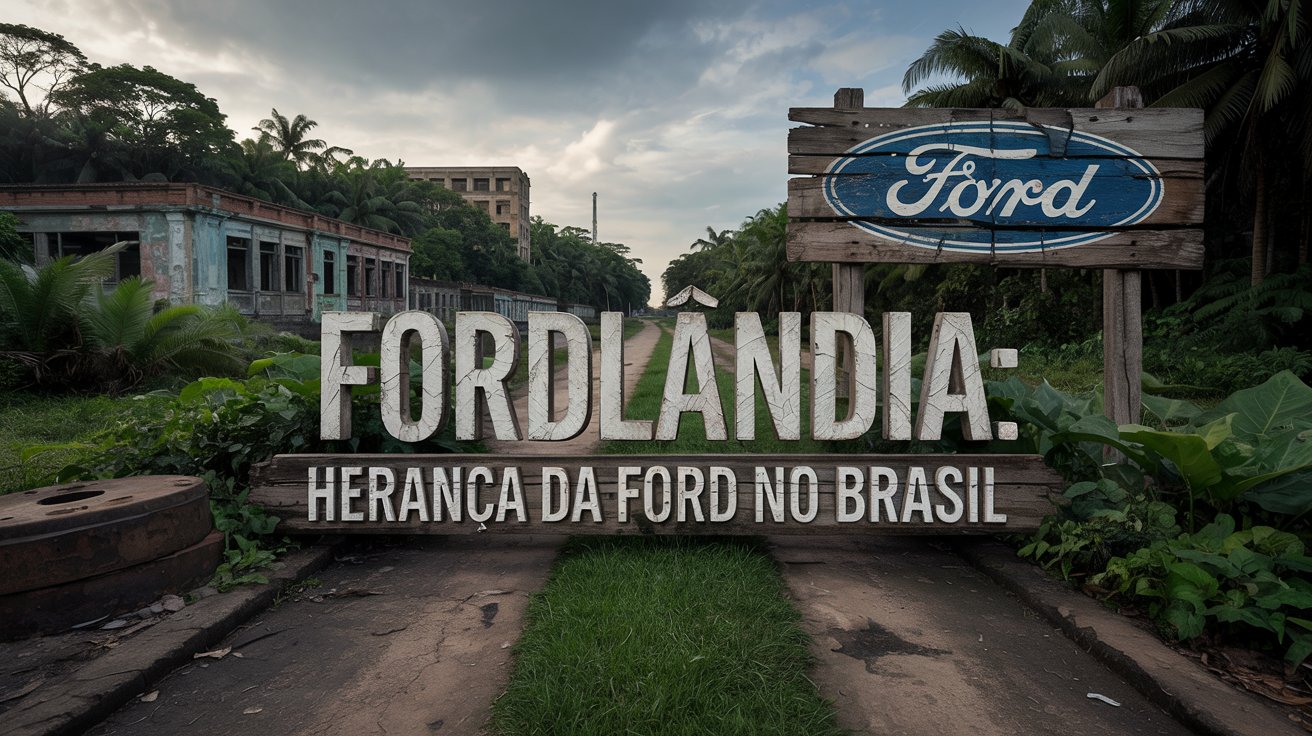

Fordlândia Promised Wealth, But Became a Ghost Town in the Forest. What Went Wrong? Discover the Mysteries of This Ambitious Project That Sank Before Achieving Success.
A ghost town still stands on the banks of the Tapajós River, in the heart of the Amazon.
Fordlândia, built nearly a century ago by magnate Henry Ford, had an ambitious mission: to produce rubber for the automotive industry.
Today, the site is in ruins, but its story continues to evoke curiosity and fascination.
-
Brazilian Scientist Wins $100,000 for Decoding Bird Songs That Convey Identity and Social Information

-
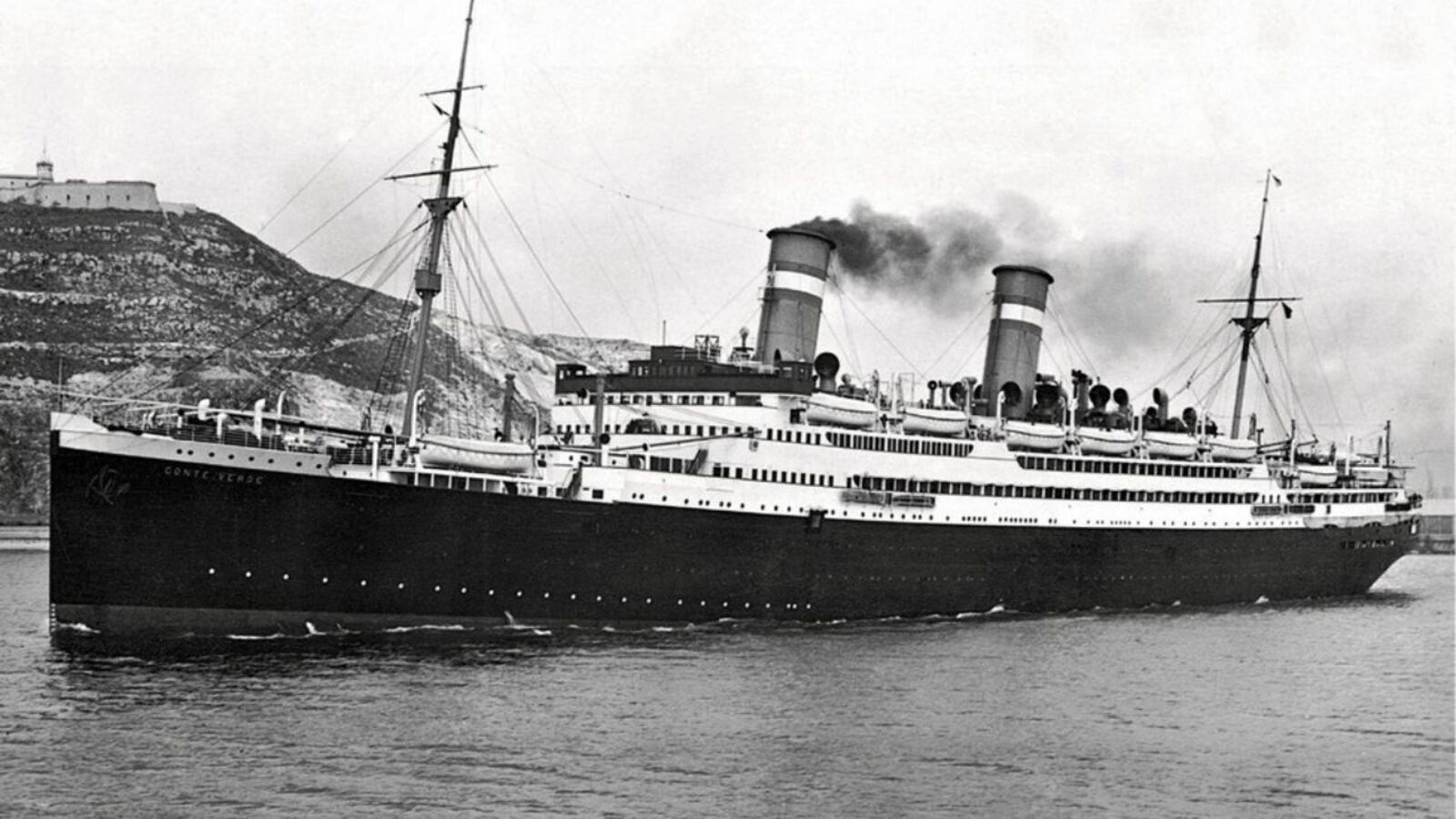
Brazilian National Team Traveled by Ship to First World Cup, Boarding Conte Verde to Reach Uruguay

-
Ancient Burial Site Uncovered in Brazil: 11,000-Year-Old Artifacts Found Beneath 300-Ton Rock
-
Rio de Janeiro Buses Stop Accepting Cash: How to Pay and Maintain Fare Integration




The Peak of Rubber and the Creation of Fordlândia
To understand the birth of Fordlândia, it is necessary to go back to the 19th century when rubber production in Brazil dominated the global market.
Between 1879 and 1912, the Amazon provided 95% of the rubber consumed worldwide.
The raw material was essential for various sectors, including the growing automotive industry.
However, the extractive exploitation of rubber trees was unstable and depended on trees that grew naturally in the forest.
The situation began to change when British explorer Henry Wickham smuggled 70,000 rubber tree seeds to England.
These seeds were taken to British colonies in Southeast Asia, where large-scale cultivation was established.
As a result, Brazilian production plummeted and within a few years represented only 2.3% of the global market.
Faced with this scenario, Henry Ford saw the opportunity to create his own alternative to ensure a supply of rubber for his vehicles.

The Birth of an American Dream in the Amazon
In 1927, Henry Ford decided to build a model town in Pará, on the banks of the Tapajós River.
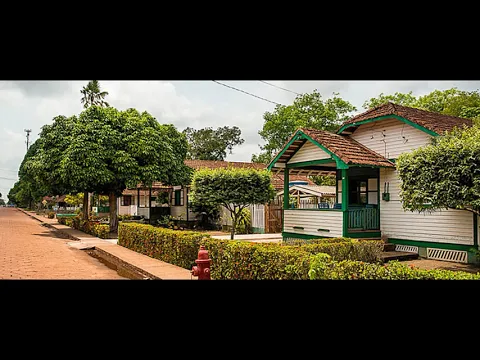
The idea was simple: to construct an American town within the rainforest, where Brazilian workers would produce rubber to American standards.
Ships were sent from Michigan carrying prefabricated houses, machines, and infrastructure for the new town.
The area received a hospital, schools, stores, restaurants, a recreation hall, and even a swimming pool.
The site became known as Vila Americana and stood out for its urban planning and advanced infrastructure for the time.
At its peak, Fordlândia had thousands of inhabitants and its own economy based on latex extraction.
However, not everything went as planned.
The Failure of Fordlândia
Despite the million-dollar investment, rubber production was never efficient.
The rubber trees, planted too closely together, became vulnerable to pests and diseases.
Unlike in Asia, where rubber trees were cultivated in open, planned areas, in the Amazon, the trees were attacked by fungi that devastated the plantations.
Moreover, the rules imposed by Americans on Brazilian workers caused great dissatisfaction.
Alcohol consumption was prohibited, there was a strict curfew, and even the food generated discontent, as typical Brazilian dishes were replaced by canned food from the United States.
Conflicts soon arose.
In 1930, disgruntled workers began a riot, known as the “Pots Revolt.”
They destroyed part of the city’s facilities, forcing the American managers to flee into the forest.
Ford tried to change his strategy and in 1934, relocated production to Belterra, a new planned town closer to the natural rubber tree groves.
However, by this time, synthetic rubber was beginning to gain ground in the market.
The Abandonment of Fordlândia
Henry Ford never personally visited the city he created, and in 1945, after years of losses, his grandson, Henry Ford II, decided to end the project.
The town was sold to the Brazilian government for a symbolic amount.
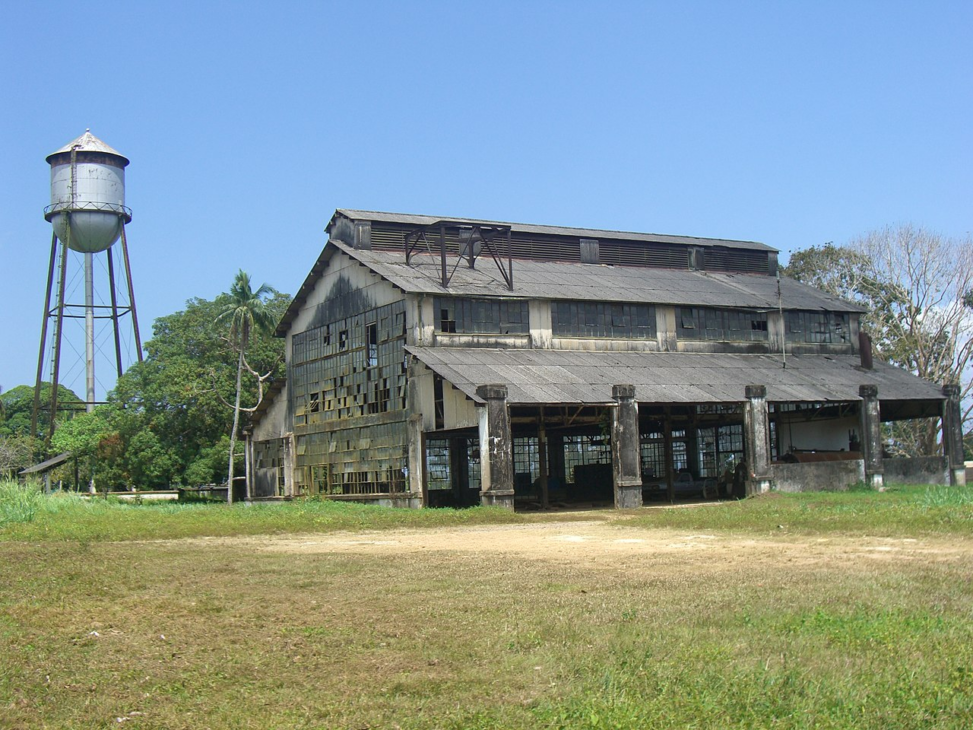
With the end of the industrial dream, Fordlândia was gradually abandoned.
Today, what remains are ruins of factories, warehouses, and houses that still withstand the test of time.
Although referred to as a ghost town, Fordlândia still houses around 1,200 inhabitants, according to data from IBGE in 2010.
The site has become an alternative tourist destination and an important reminder of one of the most ambitious – and failed – projects in industrial history.
The story of Fordlândia has already inspired books, documentaries, and films.
But could this town be revitalized and gain a new function in the 21st century?