






 Portuguese
  Spanish
  4 min of reading
  0 comments


According to Nexamp and TurningPoint Energy, the two community solar parks are located near Minonk, in Woodford County, Illinois, on a reclaimed former coal mine. The solar panels send electricity to the ComEd grid and already have over 650 subscribed customers.
A former coal mining area in central Illinois, USA, is now generating renewable energy from nearly 17,000 solar panels. Nexamp and TurningPoint Energy announced on June 17 that they have completed two community solar energy projects in Woodford County, transforming land once designated for coal production into a solar plant that provides electricity to local customers and businesses.
The land carries a long history linked to coal. According to the two companies, the site near Minonk was once part of the Colchester coal mining region, active from the late 19th century to the mid-20th century, and now hosts nearly 17,000 solar panels capable of generating 9.8 megawatts of electricity, enough for hundreds of subscribers and to add clean energy to the local grid.
From coal mining to solar energy
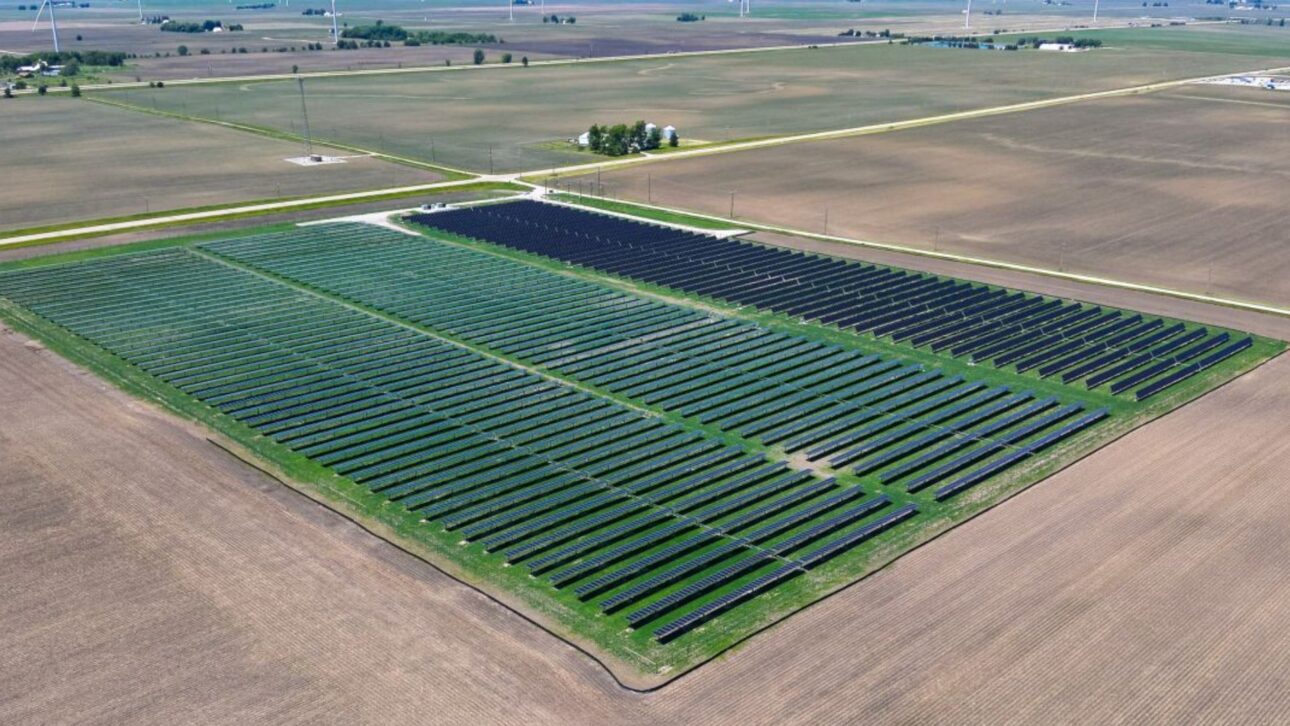
The transformation of the land marks the first partnership of the two companies in the state. These are the first community solar energy projects of the Illinois Shines program in Woodford County, and in them, the former Colchester coal region, active from the late 19th century to the mid-20th century, has given way to nearly 17,000 solar panels generating 9.8 megawatts.
-
Hidden beneath a small entrance in Namibia’s underground, the largest underground lake in the world is the size of 2 football fields, 264 meters deep, and even has rare animals that survive without sunlight.

-
The industry relies on oil to manufacture plastic, but a 16-year-old girl used banana peels and managed to create a bioplastic after two years of attempts.

-
Argentina issues radiological emergency alert after theft of Cesium-137, a substance that can cause severe burns and death, and became famous in Brazil due to the Goiânia accident in 1987.

-
While the world tries to prevent plastic in the oceans, an 18-year-old used oil, rust, and a magnet to solve the problem before it reaches the sea.


The choice of land followed a specific state incentive. The solar panels were installed on a former coal mine classified as a contaminated area by the Illinois Shines program, the state solar energy incentive program. This certification encourages entrepreneurs to utilize already impacted lands, rather than agricultural lands or untouched areas, which was exactly the path taken in Woodford.
Who built it and where the energy goes
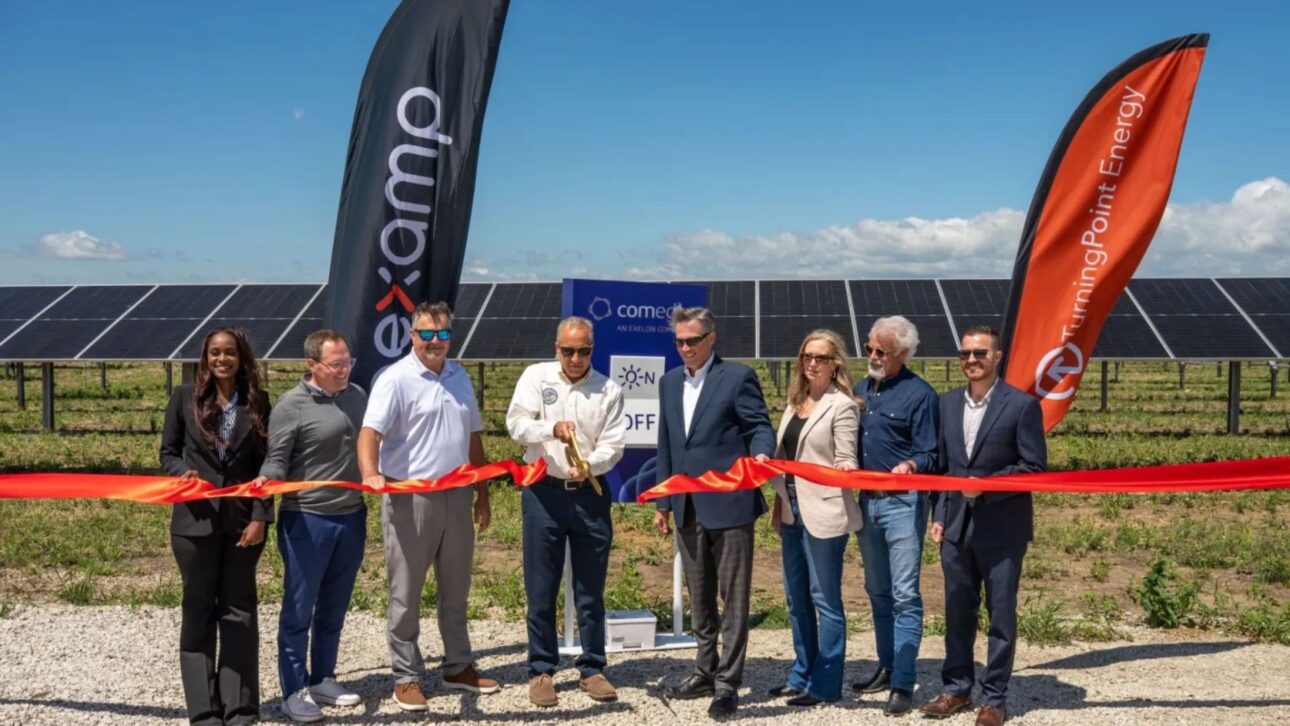
Nexamp
The work was divided between the two companies. TurningPoint Energy was responsible for the project development, while Nexamp handled the construction and now owns and operates the facilities. Together, the parks housing the solar panels cover about 16 hectares, equivalent to 40 acres.
The production goes directly to the regional power grid. The parks send electricity directly to the Commonwealth Edison grid, and according to Nexamp, all solar panels were manufactured in the United States, which, in the company’s view, supports local clean energy supply chains and brings new economic value to lands previously tied to fossil fuels.
Advanced software to manage the grid
The projects go beyond the installation of solar panels. The Minonk farms also bring new electrical grid management technologies to the region and are among the first in the ComEd system to use Distributed Energy Resource Management Systems, known by the acronym DERMS.
The tool gives utilities more control over the energy flow. The software allows for real-time monitoring and management of energy resources, and as more renewable energy connects to the grid, it becomes more challenging to balance supply and demand. DERMS helps by enhancing control and visibility of this flow, which, according to those responsible, contributes to maintaining grid reliability and preparing utilities for a future with more clean energy.
Hundreds of families have already signed up
Community engagement was swift. The projects are almost fully subscribed, with over 650 customers already registered to receive the energy generated by the solar panels.
Social reach is one of the key points of the initiative. One of the farms provides energy for about 450 homes, while the other serves approximately 200 low-income families, helping to reduce electricity bills for this group. Community solar energy differs from rooftop installation because the customer participates in a shared project and receives credits on their bill without needing to install solar panels at home, making the model accessible to tenants, apartment dwellers, and those with unsuitable roofs.
Large institutions support the project
Some major organizations help provide economic viability to the parks. The Rush University Medical Center and the College of DuPage have become clients and together consume about 40% of the electricity generated by the solar panels, which creates a constant demand and supports the community solar energy model.
For the company, the case summarizes the proposal of the projects. According to Zaid Ashai, CEO of Nexamp, by converting the former coal mine into two community solar farms, in his words,
“we are helping hundreds of subscribers reduce their energy costs today”
, while in his view, the initiative reinforces the region’s energy security in the long term.
The Minonk farms show how land once dedicated to coal can gain new use with clean energy, bringing together impacted area reuse, accessible community solar energy, and grid technology in a single case.
With nearly 17,000 solar panels generating 9.8 megawatts for more than 650 subscribers, including about 200 low-income families and institutions like the Rush University Medical Center, the model points a way for the energy transition, even though claims like fully made in the United States come from Nexamp itself.
More than the numbers, the experience suggests how former mining areas can find new economic life through the sun.
And you, what do you think about transforming former coal mines into solar panel farms? Do you believe this model could work in degraded areas elsewhere? Share your opinion and exchange ideas with other readers about energy and energy transition, respecting different opinions.





Be the first to react!