Portuguese
  Spanish



Brazilian Navy Expands Fleet and Creates Jobs: Shipyard in Itajaí Boosts 23,000 Jobs with New Frigates
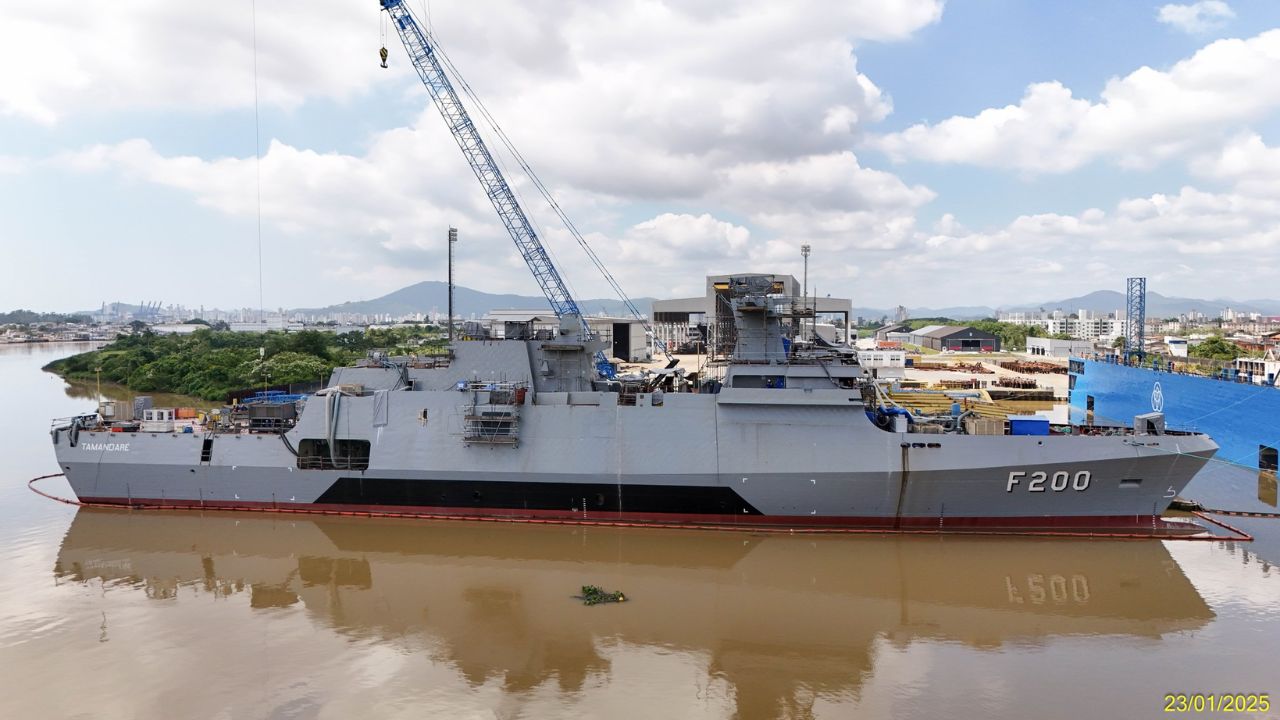
When it comes to frigates, the most common image is that of a warship cutting through the sea with high technology. But behind each vessel of this size lies an industrial machinery that moves thousands of people. The Tamandaré Class Frigates Program (PFCT), considered one of the largest shipbuilding projects in the country, is also one of the largest generators of direct and indirect jobs in the national industry.
The initiative, part of the New Growth Acceleration Program (Novo PAC), aims not only to modernize the Brazilian Fleet but also to strengthen the economy with innovation, technology transfer, and mobilization of a broad production chain. In other words, each frigate built is not only a reinforcement for the defense of Brazilian maritime territory but also a true factory of job opportunities.
The Brasil Sul Shipyard in Itajaí
The construction of the frigates is concentrated at the Brasil Sul Shipyard, in Itajaí, Santa Catarina, reactivated especially for the program. The modernization of the facilities brought new modular construction technologies, digital processes, and an industrial hub that has once again begun to generate jobs in the region. This restructuring has enabled the shipyard to become one of the most advanced in the country, placing Brazil back on the map of defense naval construction.
-
North Korean Fiasco: Launch of the Largest Warship Ends in Sinking

-
While giant ships still burn heavy fuel and the maritime sector races against climate targets, Maersk and Vale are starting to bet on ethanol as a new route to reduce emissions at sea.

-
China begins construction of the world’s largest LNG ship, a 344-meter giant capable of supplying 4.7 million homes for a month, carrying 271,000 m³ of gas, and placing QatarEnergy in the largest naval order ever recorded in world history.
-
China is designing a container ship with a thorium nuclear reactor that will operate for 40 years without refueling, and the 25,000-container giant from Jiangnan Shipyard will cross oceans without emitting carbon in an industry that burns 300 million tons of fuel per year.



Impact on Job Creation
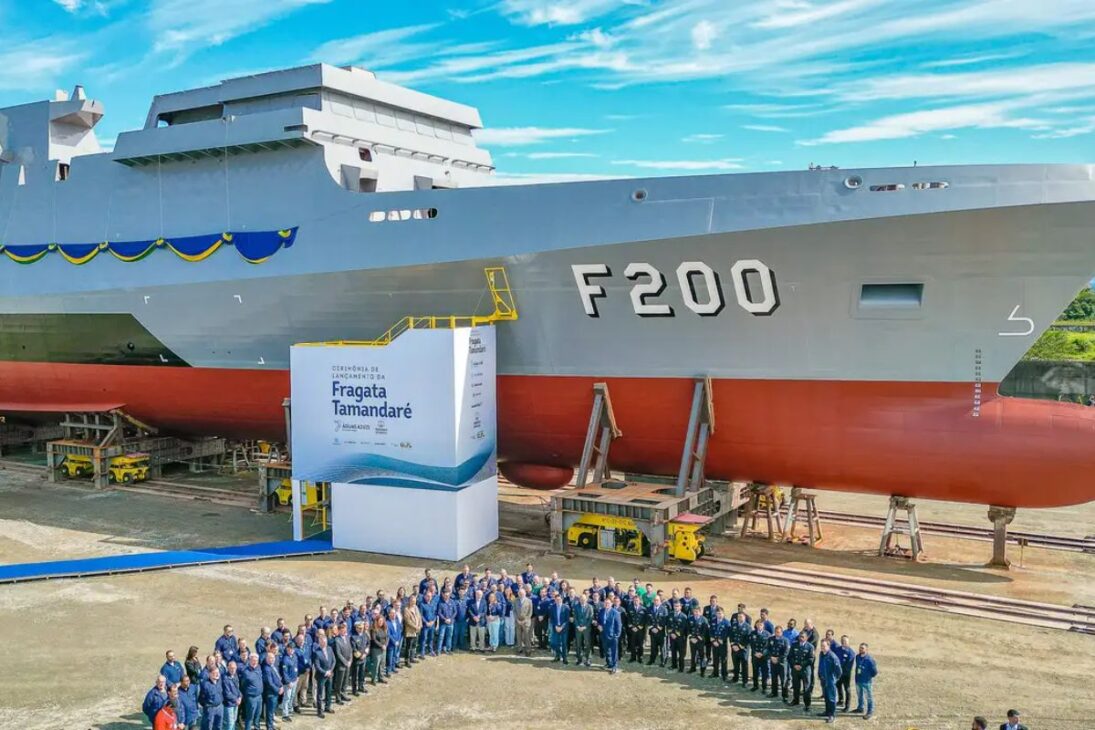
If in the military field the Tamandaré is an advancement in defense, the impact on the economy is equally impressive. According to data from the program itself, the construction of a frigate mobilizes:
- 2,000 direct jobs, including engineers, technicians, and naval workers.
- 6,000 indirect jobs, linked to suppliers of steel, electrical systems, software, logistics, and transportation.
- 15,000 induced jobs, in services such as catering, urban transportation, hotels, and local commerce.
In total, these numbers reach 23,000 job opportunities created from the construction of just one vessel. This represents one of the largest multiplier effects in the economy, as each job within the shipyard reverberates in several others outside it, creating a positive growth cycle.
The Frigate in Numbers
In addition to the economic impact, the Tamandaré Class frigates represent a technological leap for the Brazilian Navy. They are ships approximately 107 meters long, with a displacement of about 3,500 tons and a speed exceeding 25 knots.
The armament includes the 76 mm Super Rapid gun, Sea Ceptor anti-aircraft missiles launched from a vertical launch system (VLS), nationally manufactured MANSUP anti-ship missiles, and 324 mm torpedoes. They are complemented by modern electronic scanning radars and electronic warfare systems capable of detecting and neutralizing aerial, naval, and submarine threats.
With the capacity to operate helicopters like the H225M and surveillance drones, the frigates extend the Navy’s reach in patrol missions, protection of the Blue Amazon, and strategic defense of the Brazilian coast.