Portuguese
  Spanish


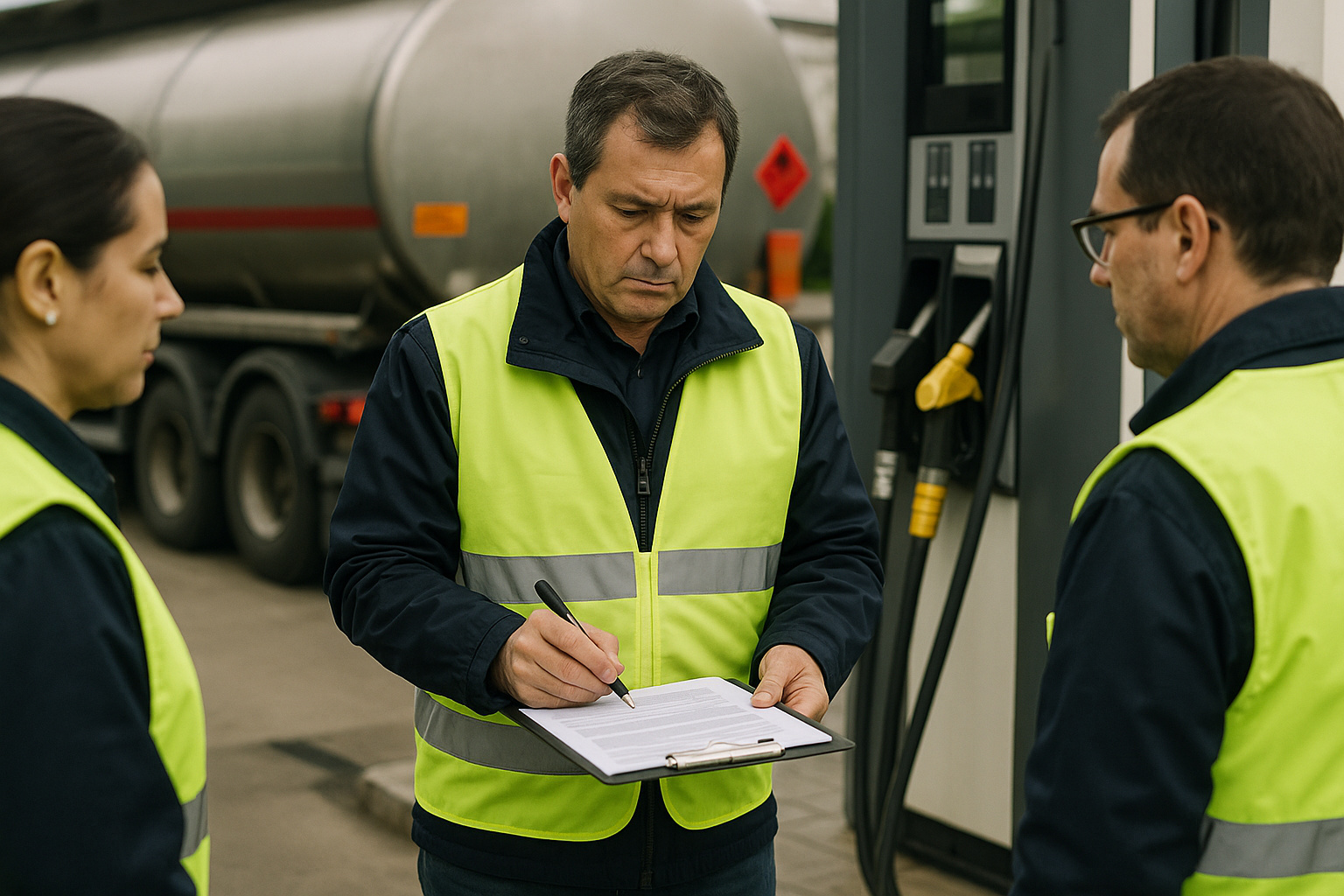


New Structure Announced In September 2025 Integrates Federal And State Agencies And Promises Greater Efficiency Against Crimes That Erode The Formal Economy
A measure considered strategic for the national economy was announced on September 1, 2025 by the Ministry of Finance. The fuel sector reacted immediately.
The minister Fernando Haddad confirmed that the structured fraud core of the Federal Revenue Service will be transformed into a specialized police station to combat organized crime. This change expands the reach of enforcement.
This change, supported by the Legal Fuel Institute (ICL), represents an institutional landmark in addressing illegal practices. Furthermore, it directly affects consumers, companies, and the country’s revenue collection.
-
As Brazil Expands Social Welfare, Survey Reveals 40% Blame Poverty on Laziness, While 58% Cite Lack of Opportunities

-
China Tightens Control on Antimony, Driving Prices from $22,000 to Nearly $40,000 per Ton as U.S. Rushes to Bolster Strategic Reserves

-
BlackRock Freezes $1 Billion in Brazilian Renewable Energy, Impacting 1.5 GW of Planned Projects and Highlighting Investor Concerns Over Infrastructure Bottlenecks Cutting Up to 25% of Solar and Wind Generation
-
Labor Shortage: Despite Record Average Salary, 90% of Brazilian Bar and Restaurant Owners Struggle to Hire Key Roles Like Sushi Chefs and Head Cooks


Integrated Structure Expands Enforcement Capacity
The new police station will have direct integration with the Financial Activities Control Council (Coaf), the Federal Police, and the state prosecutors’ offices. This coordination will allow for greater alignment among regulatory bodies.
With this configuration, there will be greater efficiency, continuity, and coordination of enforcement actions. Thus, it prevents setbacks in combating fraudulent schemes that, for years, weakened the formal fuel market.
This institutional strengthening ensures that the State is prepared to act permanently. Additionally, it guarantees greater stability for the sector.
ICL Highlights Relevance of the Decision
For the president of ICL, Emerson Kapaz, the creation of the police station is an essential measure. According to him, “this decision shows that the State is attentive and willing to tackle one of the most dangerous gears of organized crime head-on”.
Kapaz emphasized that the initiative is fundamental to protect consumers. Additionally, it ensures fair competition and preserves tax revenue, consolidating a historic advancement for Brazil.
Expected Impacts On The Fuel Sector
With the creation of the police station, the sector will be able to observe concrete results. Among them, the following stand out:
- Reduction of structured fraud, which disrupts competition.
- Greater legal security, strengthening companies that operate correctly.
- Consumer protection, ensuring fairer prices.
- Increased revenue collection, essential for public investments.
Thus, the measure strengthens enforcement. Additionally, it consolidates a fairer, more transparent, and reliable economic environment.
Historical Context Of The Fight Against Fraud
Since 2022, investigations conducted by the Federal Revenue Service and partner agencies have revealed billion-dollar tax evasion schemes in the fuel sector. As a result, they raised a national alert.
These cases highlighted the need for a stronger institutional structure to tackle the problem. They also reinforced the urgency of permanent measures against fraud.
With the decision made in September 2025, the government establishes a new level of confrontation against tax crimes. Furthermore, it promotes greater international credibility.
Challenges And Expectations For The Future
Despite the progress, experts stress that the effectiveness of the police station will depend on cooperation between federal and state agencies. Therefore, dialogue will be constant.
Additionally, it will be necessary to ensure rigorous enforcement and transparency in processes. The engagement of different institutions will also be essential for results to consolidate over time.
Even so, the creation of the police station represents a turning point. At the same time, it inspires new control mechanisms against crimes in the fuel sector.
What Does This Measure Represent For Brazil?
The announcement made in September 2025 shows that the country is moving towards a coordinated strategy to combat fraud. Thus, it strengthens the formal economy.
For the ICL, it is a historic step. The measure can transform the way the State addresses illegalities that undermine the formal economy and harm society.
What do you think: Will the creation of the police station be enough to weaken fraudulent schemes in the fuel sector? Or will Brazil need even tougher measures to ensure effective results?