Portuguese
  Spanish



Tucumã bioplastic combines Amazonian fruit residues with resin and is already used in construction parts, bicycles, cups, and 3D printing.
Tucumã seeds that were previously discarded in the food sector are now used in the production of plastic parts. Developed by Fipo Biopellet with support from the Priority Bioeconomy Program, the tucumã bioplastic replaces part of the fossil-based polymers with agro-industrial residues from the Amazon.
The technology combines plastic resin with a biopellet produced from the seeds. This composition can reduce the material’s carbon footprint by up to 40%.
The solution has already been applied in civil construction and the two-wheel industry. The company also produces customized cups and is working on developing filaments for 3D printers.
-
NASA Captures Rare Encounter of South Korean “Surfboard” Spacecraft Crossing Lunar Orbit at Over 11,000 km/h

-
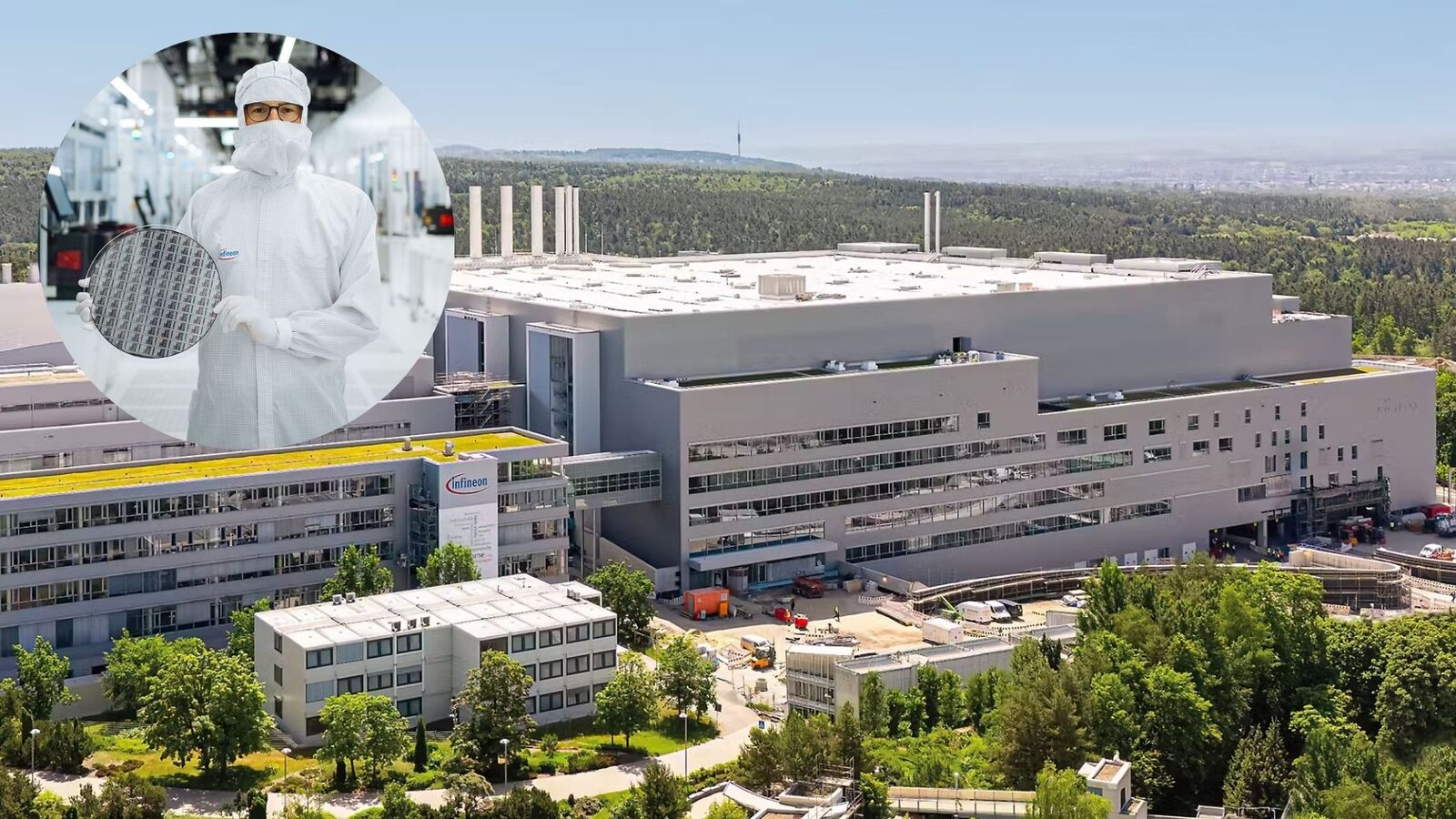
Germany Opens World’s Largest Smart Power Semiconductor Factory with €5 Billion Investment, Creating 1,000 Jobs and Doubling Capacity for AI and Energy Needs

-
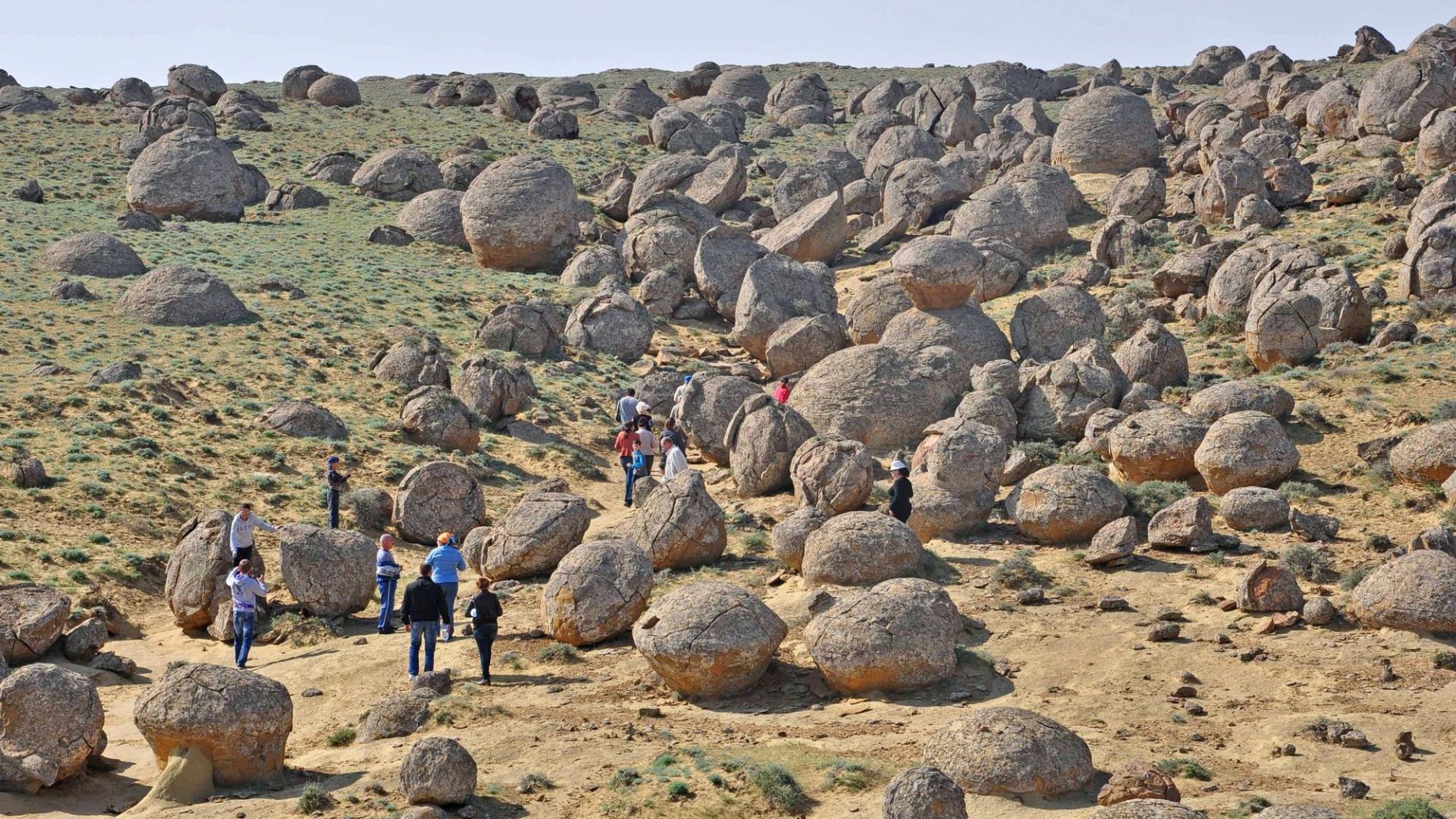
Kazakhstan’s Torysh Valley Holds Thousands of Giant Stone Spheres, Intriguing Scientists with Ancient Oceanic “Cannonballs”
-
Egypt Discovers 18 Ancient Tombs with Gold Tongues, Unveiling Unusual Funeral Rituals and Amulets Believed to Give Voice to the Dead



Tucumã seed bioplastic was born from observing food waste
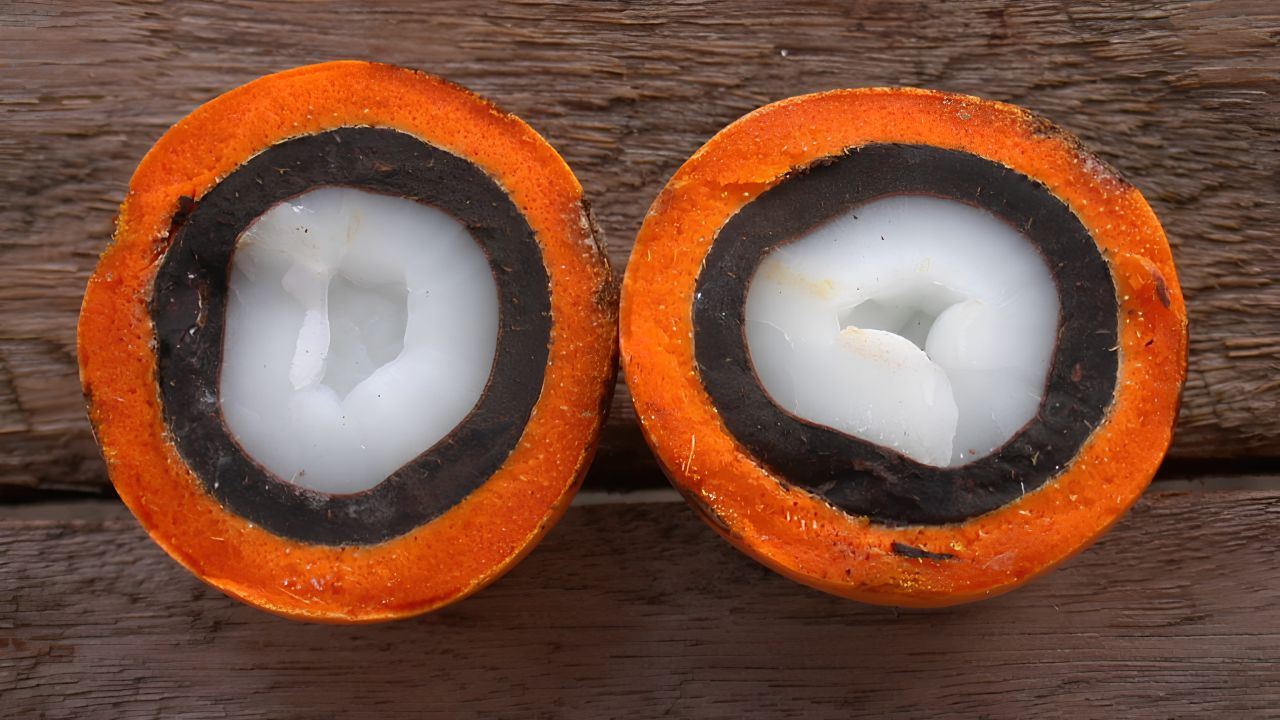
The idea began when Antonio Kieling, a partner at Fipo Biopellet, noticed the amount of tucumã seeds discarded daily by the food sector. The company then began researching ways to transform the waste into raw material for industrial processes.
The work resulted in the creation of pellets that can be added to the resins used in the production of plastic objects. Besides tucumã, the technology can utilize residues from other Amazonian fruits, such as açaí and cupuaçu.
The proposal allows materials previously discarded to enter a new production chain. Instead of relying solely on fossil polymers, the pieces receive a portion of raw material derived from fruit processing.
The material developed by the startup is classified as a biocomposite. Its formulation combines plastic resin and particles produced with plant residues. The result can be molded to meet different industry needs.
According to the project, the compound shows resistance and durability compatible with the applications developed so far. The tucumã seed bioplastic does not completely eliminate conventional resin. Its function is to replace part of the fossil polymer with the material obtained from the seeds and other agro-industrial residues.
This composition enhances the use of Amazonian raw materials and reduces the amount of fossil components needed to manufacture certain parts.
Residues used in the production of biopellets
- tucumã seeds;
- açaí residues;
- cupuaçu residues;
- other Amazonian agro-industrial materials compatible with the technology.
Civil construction already uses parts with tucumã residues
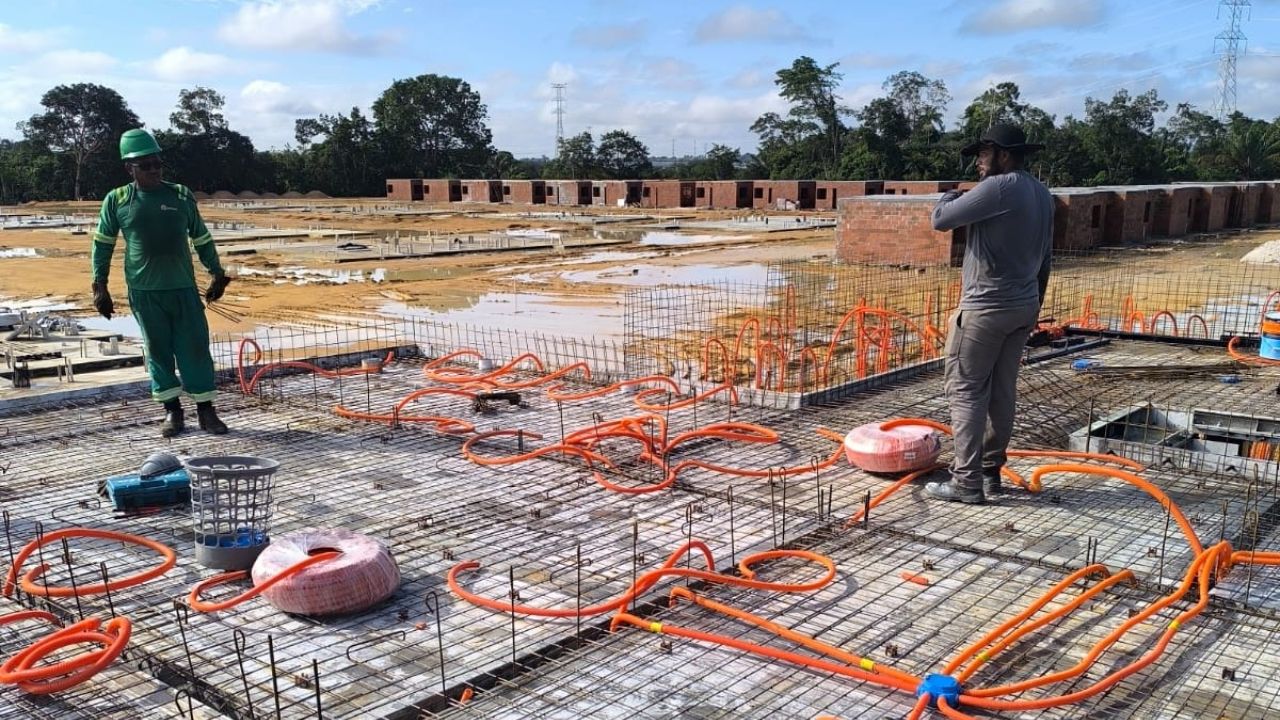
One of the current applications is in the manufacture of plastic spacers used in concrete structures. Known as “chairs,” these components keep the reinforcements in the correct position during concreting.
The parts also help preserve the planned thickness of the cover layer and prevent the metallic elements from shifting. The material is being used in models of 20/25 millimeters and 25/30 millimeters.
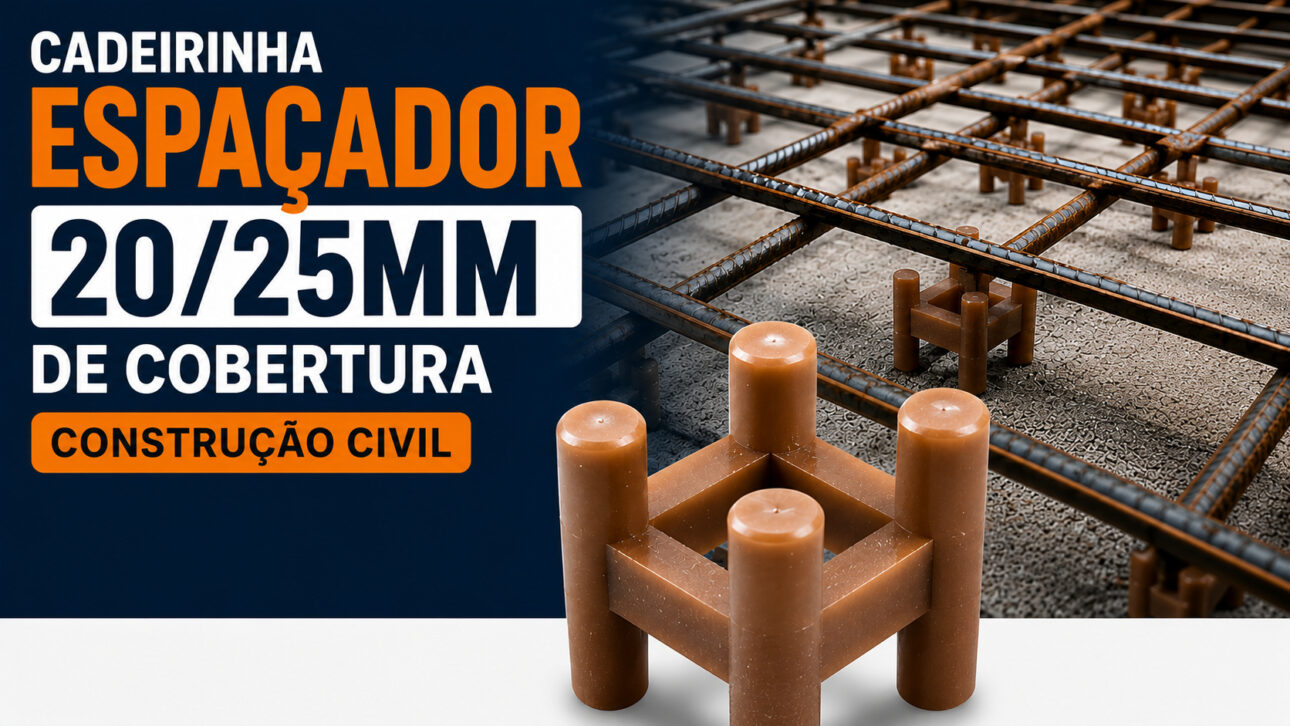
Although they are small components, the spacers perform a specific function within the assembly of structures. The application shows how the compound can enter technical products, and not just decorative objects or packaging.
Tucumã seed bioplastic has reached the two-wheel industry
Before expanding applications, Fipo Biopellet needed to conduct research, tests, and prototypes to evaluate the material’s behavior. The support from PPBio enabled the development of the first bioparts intended for the two-wheel industry.
Among the results of this process is a bicycle pedal manufactured with the biocomposite created by the startup. “One of the main results of this process was the development of a bicycle pedal manufactured with the biocomposite material created by the startup,” highlighted Genilson.
The prototype served to verify the possibility of transforming the pellets into a piece subjected to everyday use. The process also contributed to bringing the technology closer to commercial and industrial demands.
PPBio funded research, testing, and prototyping
The Priority Bioeconomy Program participated in the project’s evolution through resources from the Informatics Law. The support was directed to the necessary stages for the invention to advance beyond the initial research and reach product manufacturing.
“To transform this invention into a solution with potential for industrial application, investments in research, development, testing, and prototyping were necessary,” said Genilson.
In addition to financial support, the program offered support for technology improvement. The activities allowed for the evaluation of the technical and commercial viability of tucumã bioplastic, as well as the production of the first pieces with the material.
Stages supported by the program
- research and development of the biocomposite;
- conducting tests;
- creation of prototypes;
- improvement of the formulation;
- manufacturing of the first biopieces;
- evaluation of technical viability;
- analysis of commercial potential.
Carbon footprint reduction can reach 40%
The partial substitution of fossil polymers is associated with the reduction of the product’s carbon impact. According to Fipo Biopellet, the use of the compound can reduce this footprint by up to 40%.
The result is related to the introduction of plant residues in the formulation of pieces that would normally use a higher proportion of conventional plastic resin.
At the same time, the process offers a destination for seeds and other materials discarded by food and fruit processing activities. Tucumã bioplastic thus connects two stages: the removal of waste from one production chain and its transformation into input for another.
Customized cups expand the material’s applications
Fipo Biopellet also uses Amazonian agro-industrial residues in the production of sustainable cups.
The containers can be customized for events, adding a new application to the company’s portfolio. In this case, the material leaves the field of technical pieces and reaches a product for everyday use.
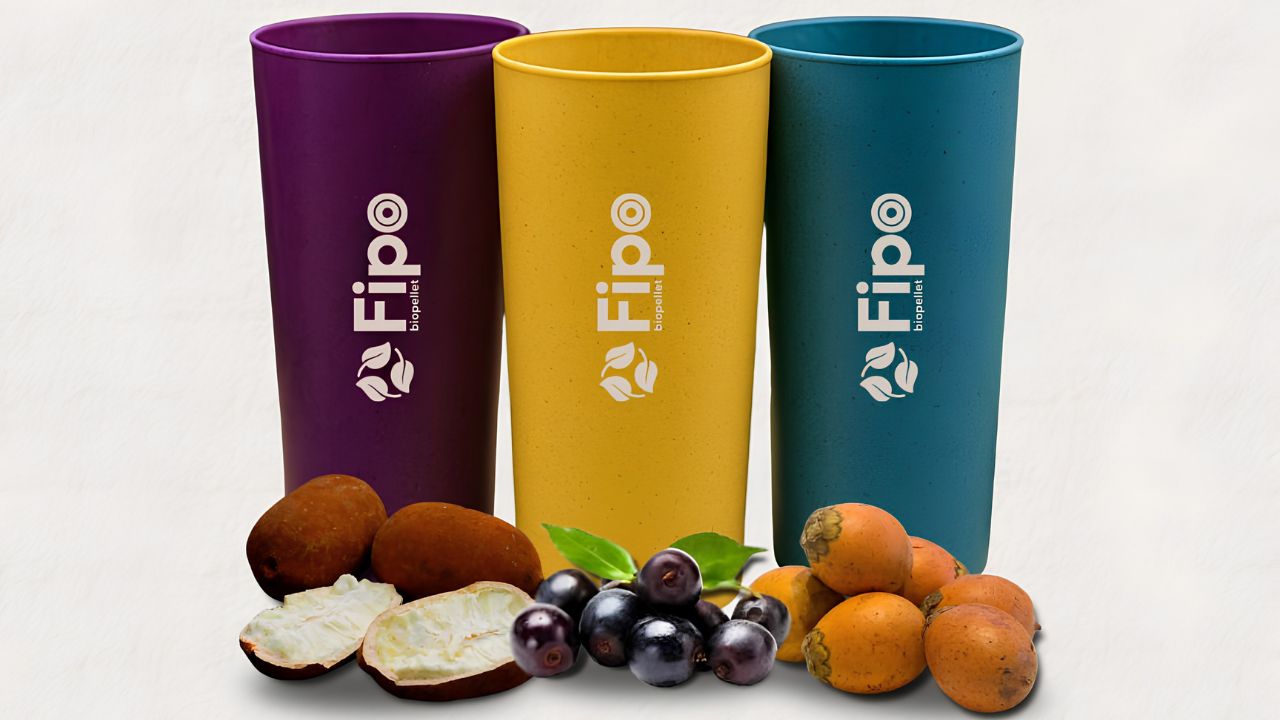
The manufacturing of the cups also allows for visually presenting the presence of Amazonian residues in the compound, bringing the technology closer to consumers and event organizers.
Tucumã bioplastic could be used in 3D printing
Another development front involves the manufacturing of filaments for 3D printers. Filaments are the materials used by machines to form objects in successive layers. The company’s proposal is to incorporate renewable Amazonian raw materials into this digital manufacturing process.
Entering this segment would increase the variety of shapes and products that could be created with the compound. The technology still integrates the next steps of Fipo Biopellet, alongside expanding the portfolio and commercial expansion of the solutions already developed.
Technology creates new destination for Amazonian residues
The project uses materials from already existing activities in the Amazon, such as the processing of tucumã, açaí, and cupuaçu. After the parts destined for food are removed, the residues provide raw material for industrial products.
Among the applications developed or planned are:
- spacers for concrete structures;
- bicycle pedals;
- customized cups;
- filaments for 3D printing;
- other plastic parts compatible with the biocomposite.
The diversity of uses allows the pellets to be evaluated in sectors with different needs for shape, strength, and durability.
Fipo Biopellet plans to expand portfolio and market presence
The company intends to continue expanding the applications of the material and its market participation. The development of new parts should occur alongside the production already carried out for construction and events.
The creation of filaments for 3D printing represents one of the planned stages. The company also seeks to increase the number of products manufactured with agro-industrial waste.


With the support received for research, testing, and prototyping, the bioplastic with tucumã seed advanced from observing a disposal problem to the production of components used in different activities.
The technology is based on the partial replacement of fossil polymers, the use of seeds and other Amazonian waste, and the transformation of these materials into parts intended for the industry.