





 Portuguese
  English
  Spanish
  4 min of reading
  0 comments



Even After the Peak of Harvest Dispersion, Grain Freight Continues to Fall on Important Agricultural Routes, According to the October Logistics Bulletin from Conab
The grain freight in Brazil continues to retract in several strategic routes after the end of the peak of 2025 harvest dispersion, according to a report published.
Recent data from the National Supply Company (Conab) shows that the price drop occurred especially in Goiás, Mato Grosso do Sul, Minas Gerais, and the Federal District.
This reduction reflects the seasonal behavior of the market, which typically shows a slowdown in transportation right after the corn and soybean harvest ends.
-
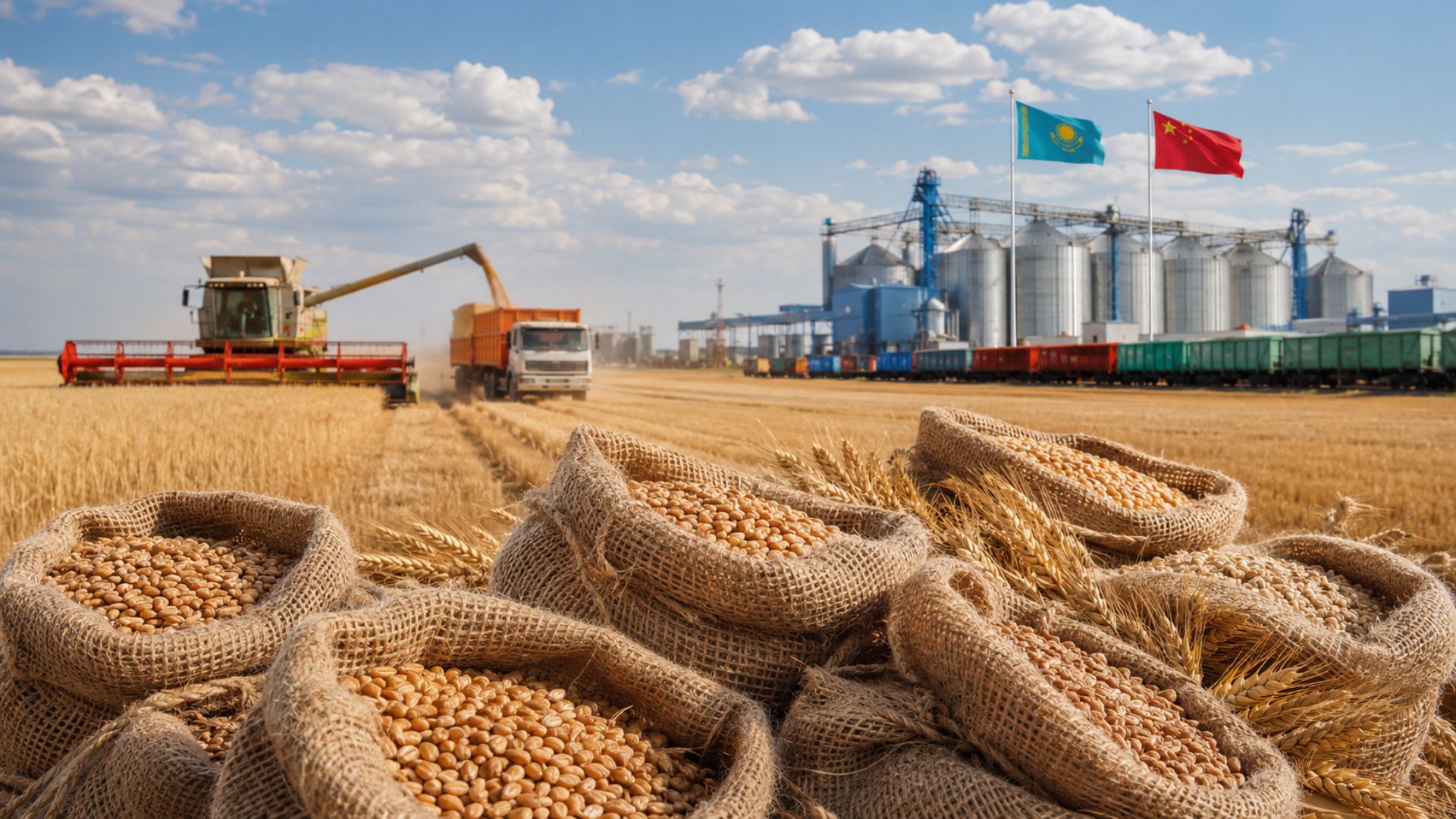
While the world discusses geopolitics, China is quietly closing a deal with its Kazakh neighbor to secure grain supplies during any global food crisis, with more than 3,600 Kazakh companies already able to export directly to the Chinese market.

-
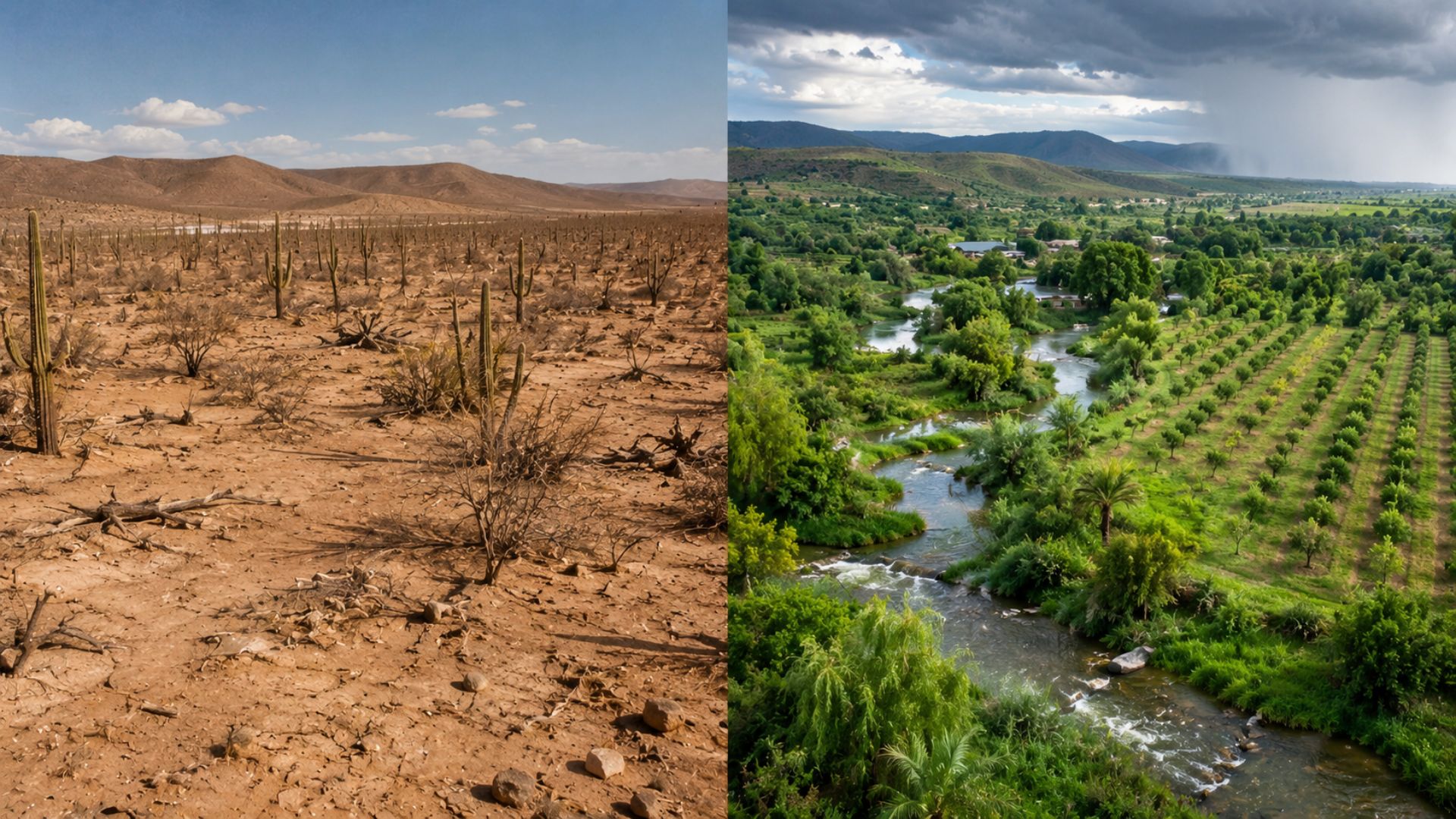
A farm in the Mexican desert has become so green that today it has rivers flowing year-round and even rain in the dry season, all thanks to a technique that transforms dead sand into fertile soil with manure, mountain microorganisms, and what farmers call the secret soil formula.
-
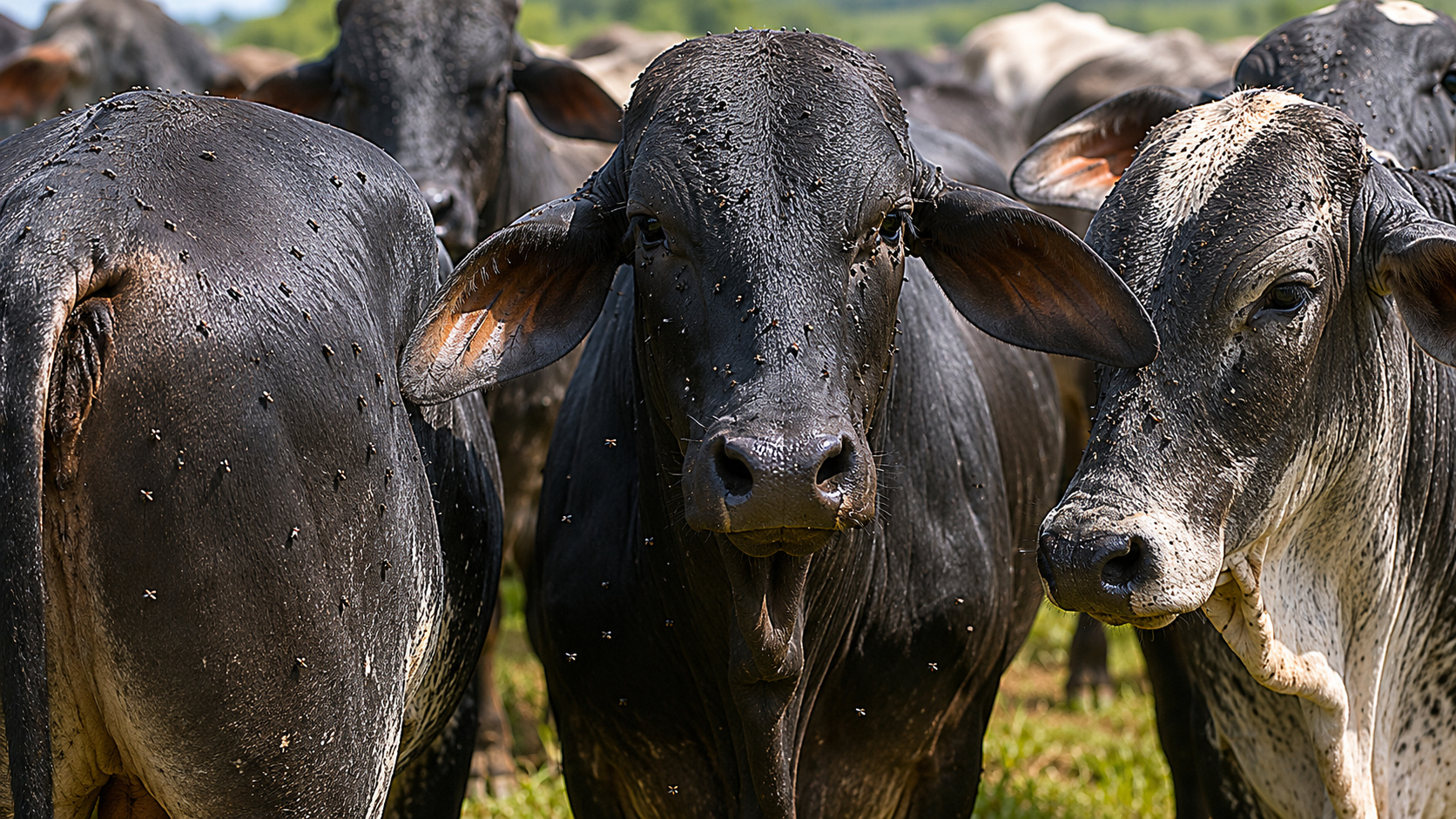
Stable fly infestation frightens producers in Costa Rica, disrupts cattle routine, reduces milk, and puts vinasse at the center of rural controversy.

-
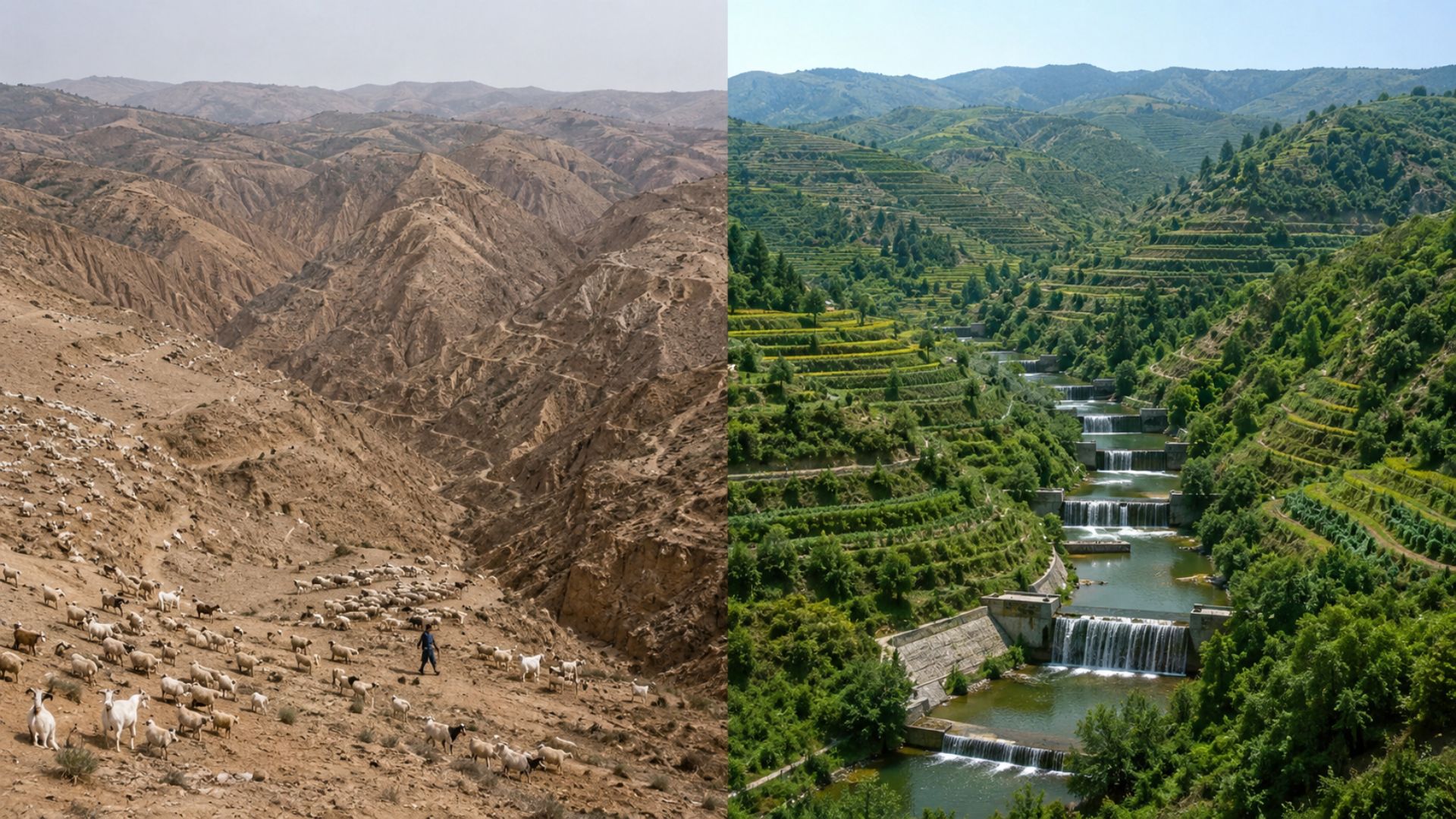
China banned free grazing of goats and sheep in parts of the most eroded plateau on the planet and, along with terraces and thousands of dams, managed to green slopes that were dumping 1.6 billion tons of soil per year into the Yellow River, in one of the largest environmental recoveries in history.
The October Logistics Bulletin from Conab details the outlook of the main producing regions, showing that although some markets maintain stability, most routes register a decrease, a result of lower demand and more balanced operational costs.
Downward Trend in Grain Freight After Corn and Soybean Harvest
In Goiás, the downward movement follows a historical pattern. After the harvest period, the demand for trucks decreases and transportation prices naturally fall.
In the Federal District, in addition to the lower grain movement, operational costs and fuel prices influenced the reduction.
In Mato Grosso do Sul, the retraction became evident from the second half of September, with the end of the second corn harvest.
Even with part of the fleet being absorbed by short-distance transport in the internal market, the volume was not enough to prevent the drop.
In Minas Gerais, the decrease was also associated with the reduced demand for agricultural transport.
These dynamics reflect the typical pace of agricultural dispersion in Brazil, where grain freight fluctuates according to the harvest calendar and regional logistical behavior.
Agricultural Road Transportation Market and Regional Impact on Prices
In other regions, the scenario showed nuances. In Bahia, the municipality of Luís Eduardo Magalhães maintained stability, balancing supply and demand in the transportation of grains, fibers, and products destined for ports and industries.
In Paripiranga, prices increased due to higher demand for corn destined for Vitória, Recife, and Feira de Santana.
Conversely, Irecê observed a price retraction with the end of the harvest. In Mato Grosso, the grain freight market showed lateral movements, with some routes slightly increasing and others decreasing.
Conab also recorded stability in Piauí, where transportation maintained a regular pace, albeit with less intensity than in previous months.
This data reinforces the importance of regionalized logistics, where local variations in production and destination directly influence transportation costs and availability.
Agricultural Exports and Influence on Grain Freight Costs
In the states of Maranhão, Paraná, and São Paulo, the trend was the opposite: an increase in demand drove up freight prices for agriculture.
Maranhão recorded a 5% average increase, driven by the transport of corn destined for an ethanol biorefinery in Balsas and farms in the Northeast.
In Paraná, the demand for transportation exceeded that of August, raising prices, except in Ponta Grossa.
In São Paulo, the price increases were influenced by the intensification of exports, a result of trade tensions between the United States and China, which heightened international interest in Brazilian products.
In terms of exports, the Logistics Bulletin revealed shipments of 23.3 million tons of corn in September, compared to 24.3 million in the same period in 2024.
The ports of the Northern Arc maintained leadership, accounting for 42.5% of total movement, followed by Santos (30.7%), Paranaguá (11.7%), and São Francisco do Sul (9.5%).
In the case of soybeans, shipments between January and September totaled 89.5 million tons, compared to 93.8 million last year.
The Northern Arc also stood out, accounting for 37.5% of exports, while Santos moved 34.2% and Paranaguá, 12.9%.
This data demonstrates how port dynamics and export variations influence the behavior of grain freight, especially after the logistical peak mid-year.
The October edition of the Conab Logistics Bulletin, available on the state-owned company’s website, contains detailed information about ten producing states and analyzes the performance of national agricultural logistics, freight transportation, and the exported volume of corn, soybeans, and soybean meal.






Be the first to react!