






 Portuguese
  Spanish


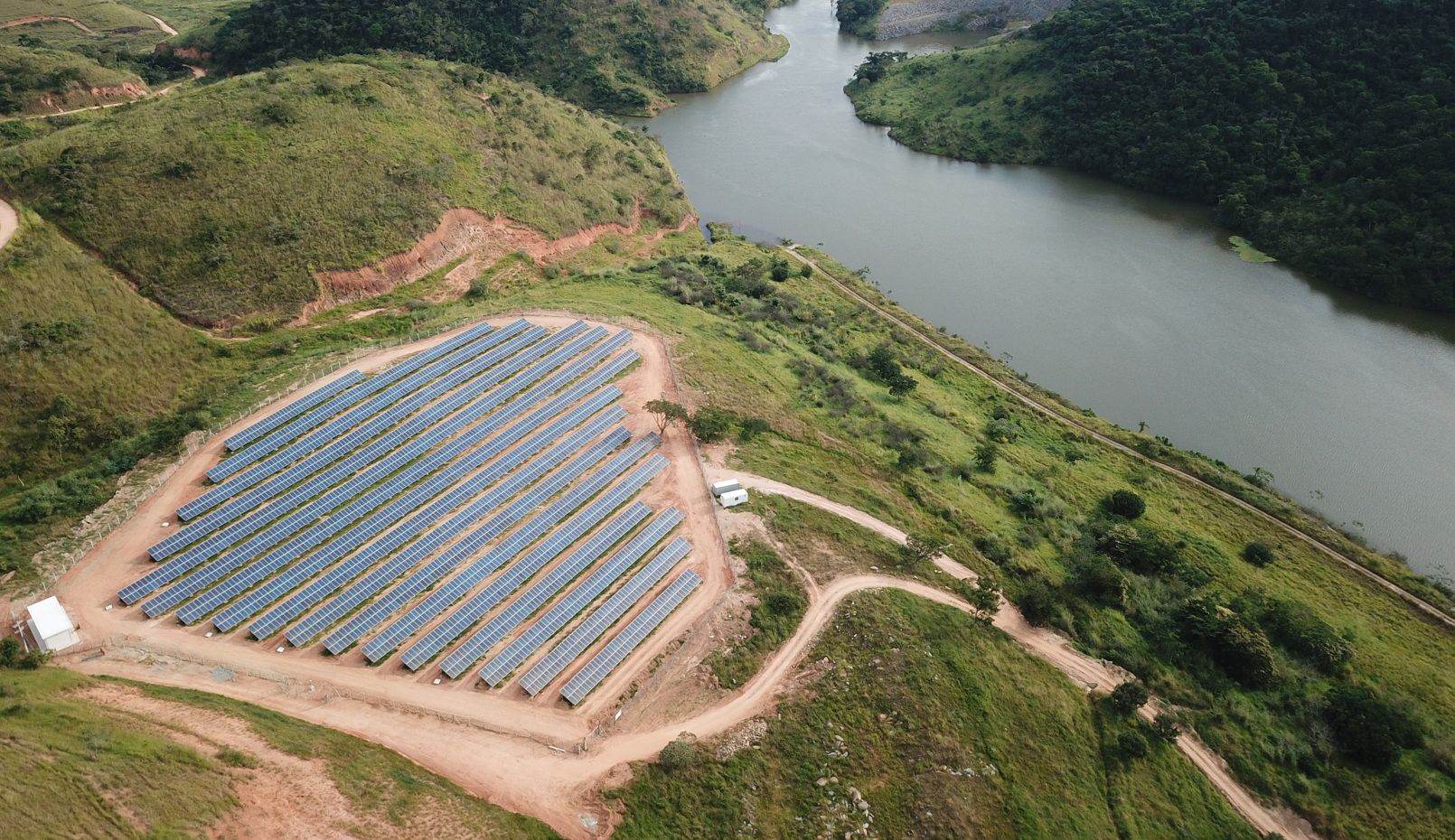

The Plants Have a Power of 1.2 MWp Each, Totaling 3.6 MWp, Enough Energy for 3,600 Households. The Other Two Will Be Energized Next Week.
FURNAS Energized One of the Three Solar Plants Being Built Near the UHE Anta, Located on the Paraíba do Sul River, the Border Between the States of Rio de Janeiro and Minas Gerais. This is the State-Owned Company’s First Solar Plant Debuting in the Distributed Generation Modality. ANEEL Grants Authorization for Commercial Operation of Thermoelectric Plant in São Paulo
Read Also
- 36 Oil Fields Hibernated in Brazil Due to the Pandemic
- The Global Leader Offshore V.Ships Opens This Afternoon (07) Many Positions in 17 Roles to Work on FPSO
- Bricklayer, Welder, Operator and Many More Job Openings to Meet Construction Works on This Day 08
The Plants Have a Nominal Power of 1.2 MWp Each, Totaling 3.6 MWp, and May Represent a Reduction of About 40 Percent in Annual Electricity Expenses in RJ, the State-Owned Company Reported in a Statement Last Tuesday (5).
-
Brazil’s Offshore Wind Energy Potential Worth $1 Trillion Stalled by Long-Delayed Agreement

-
World’s Largest Engie Solar Plant in Brazil Highlights Billion-Dollar Energy Waste Issue: Company Considers Batteries and Bitcoin Mining to Avoid Wasting Production

-
Air Products Cancels $2.9 Billion Clean Hydrogen Megaproject in Louisiana, Shuts Down Arizona Unit, Highlighting High Costs of U.S. Energy Transition
-
Over 60 Tractors Take to the Streets in Lopera as Solar Parks Compete with Olive Groves, Affecting 13,000 to 100,000 Trees According to Conflicting Reports


According to the Company, the Goal is to Explore the Potential of Adjacent Areas and Reservoir Mirrors of the UHEs with the Implementation of Solar Parks.
In Addition to Anta, Solar Plants Are Under Construction at UHE Itumbiara (MG/GO) and the Thermoelectric Plant (UTE) of Campos (RJ). The Project Will Be Expanded to Offset All Energy Consumed by FURNAS in Its Facilities.
Currently, FURNAS is Studying and Conducting Solar Measurements for Photovoltaic Generation Projects in Areas Adjacent to the Plants of Batalha (MG/GO), Estreito (MG/SP), Marimbondo (MG/SP), and Corumbá I (GO).
When in Operation, FURNAS’ Solar Plants Will Have an Installed Power of 180 MWp. These Are Projects in Remaining Areas of the Developments and on the Water Mirror of the Reservoirs, for the Sale of Energy, Whether in the Regulated Environment or in the Free Market.
In Addition to Not Affecting the Environment and Taking Advantage of Heat Absorption in the Water Mirror, in the Case of Floating Plants, Complementary Solar Generation, When Installed in Locations Near Existing Plants, Utilizes the Transmission Infrastructure Already in Operation, Reducing Costs.
“The Initiative Aligns with the Objectives Defined in the Company’s Strategic Planning Aimed at Enabling Businesses That Have Synergy with Existing Infrastructure,” States Furnas in a Statement.


