Portuguese
  Spanish


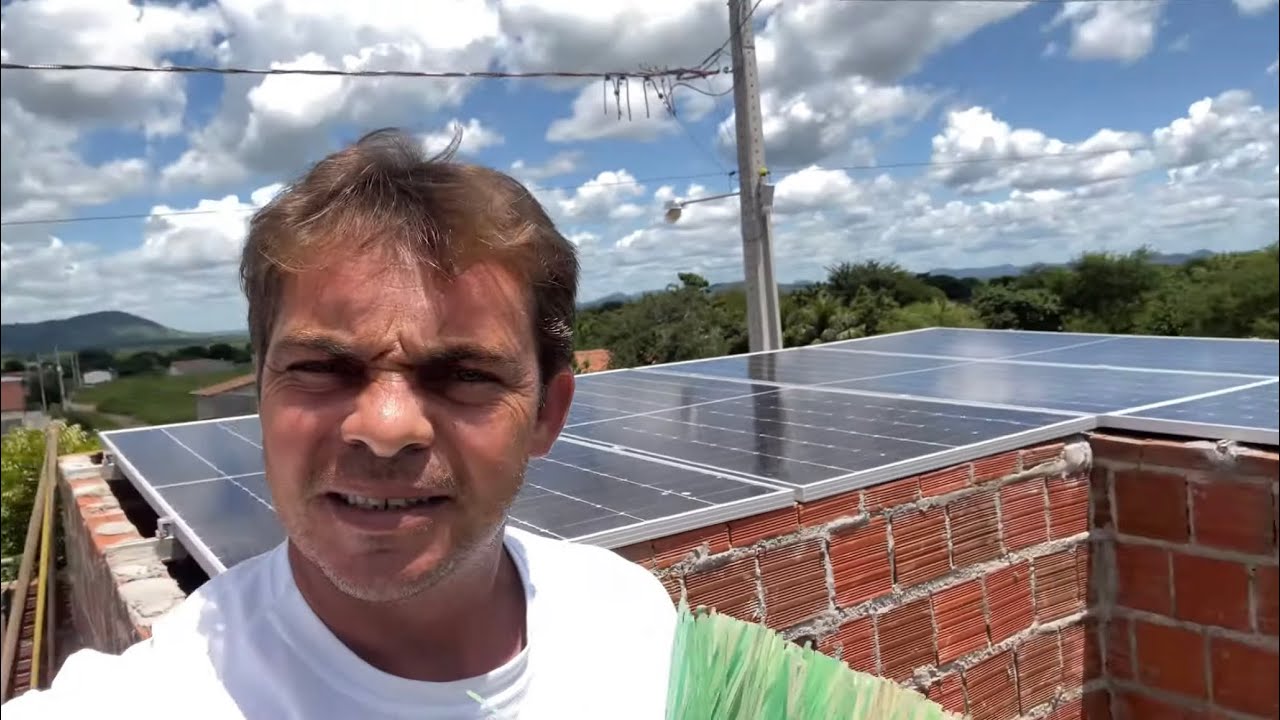

Giorggio Abranches, a Street Sweeper from Paraíba, Overcame His Struggle with Alcohol Through Projects with PET Bottles and Built His Own Factory, Which is the First in Brazil to Use Clean Energy After a Crowdfunding Campaign on Social Media.
The street sweeper, Giorggio Abranches, is a master at transforming PET bottles into brooms and drying racks. The big innovation this time includes eight photovoltaic panels installed in his ecological broom factory, making it the first in Brazil to use clean energy in its production. The inventor resides in Aparecida, Paraíba. With the acquisition for his factory, the entire production chain will be entirely powered by clean energy, besides providing Giorggio with significant savings on his electric bill.
The Beginning of Giorggio’s Story


This is yet another chapter of a deeply inspiring story. In the past year, after battling alcoholism, the street sweeper from Paraíba found in recycling a way to change his life. Giorggio is known on social media as the Eco-Friendly Street Sweeper and has a YouTube channel with over 200,000 subscribers, with some of his videos accumulating more than 2 million views.
But to get to where he is now, Giorggio faced many hardships in life and recounts that he hit “rock bottom” because of alcoholism and needed to be admitted to a rehabilitation center to overcome his addiction. It was during this time that the street sweeper from Paraíba came to know recycling, engaging in activities centered on this proposal and developed remarkable projects.
-
Fired during apartheid and with a little borrowed money, an electrician started with a borrowed truck and transformed electrical services into a group connected to energy, real estate, and infrastructure in South Africa.

-
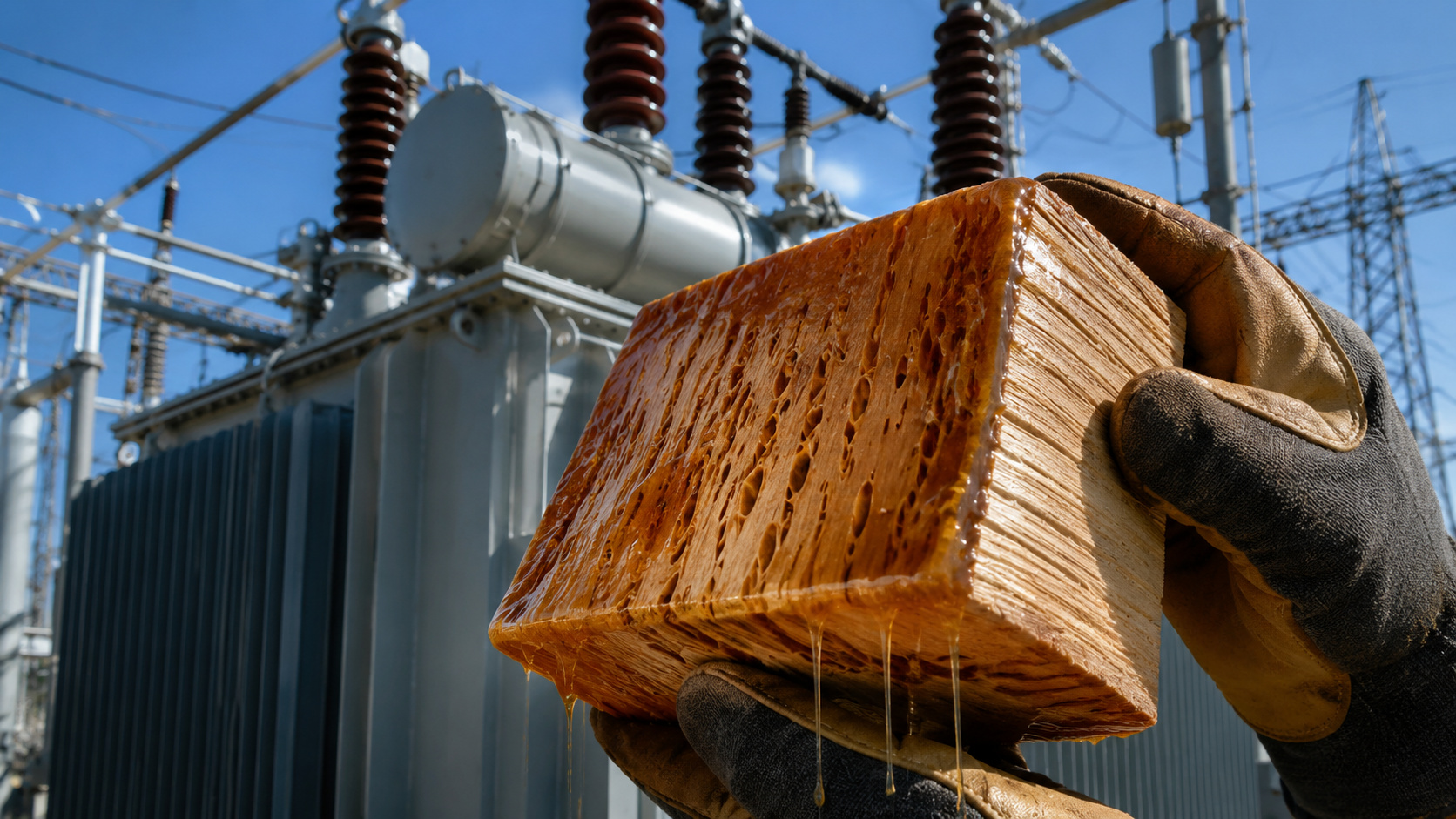
Wood has ceased to be just a construction material in Yale research and has become insulation for electrical transformers that face intense heat, aging, and increasing pressure from the renewable energy-powered grid.
-
More than 1,000 residents of a remote island in Kiribati now have clean water and electricity with solar systems operated by the community itself.
-
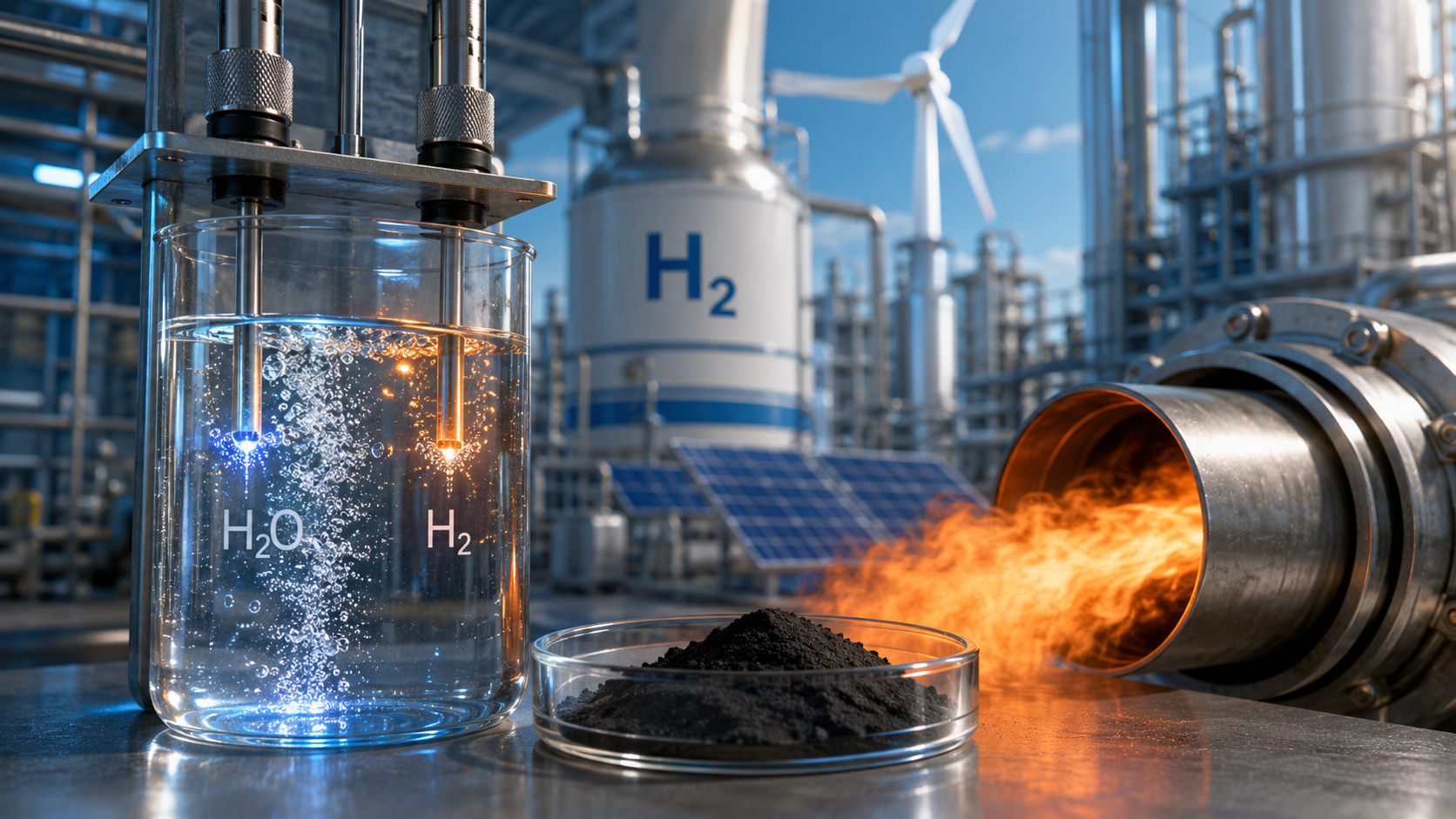
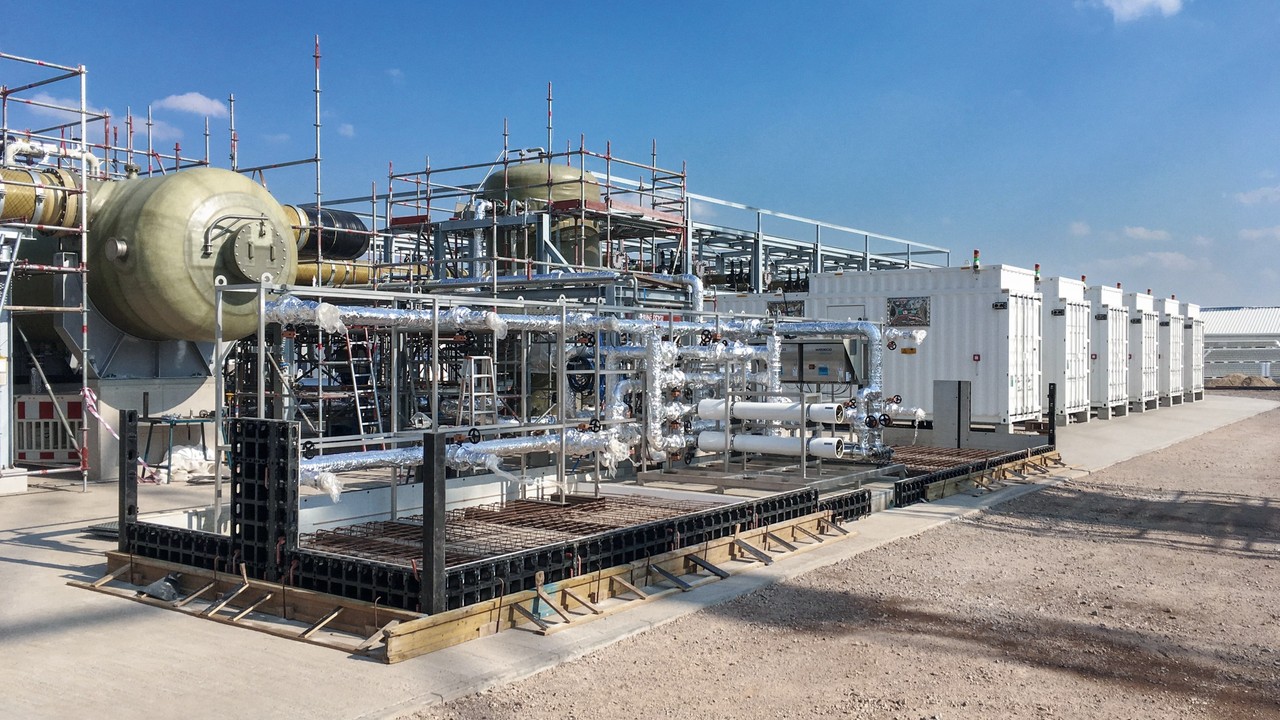
Ceará brings together 7 giants and R$ 66 billion to transform Pecém into the largest green hydrogen hub in Brazil, with final decisions expected by the end of 2026.



In the past year, a crowdfunding campaign raised over R$ 19 thousand for his clean energy-powered factory, aimed at helping other families. Thus, Giorggio produces brooms from PET bottles, and with part of the crowdfunding amount, he developed a training and awareness space for recyclable collectors in Paraíba.
Ecological Broom Factory Helps Women Who Suffered Domestic Violence and Fight Against Depression
From last year to now, through various initiatives, the street sweeper from Paraíba also received support from Cielo to boost his business with a working capital of R$ 10 thousand. According to the inventor, the donations reignited the flame that was within him.
It was nearly impossible to purchase the machines back then. Currently, his clean energy factory is a company that is transforming lives. In addition to Giorggio, initiatives in Recife have been supporting women who have suffered domestic violence and are battling depression through efforts that contribute to the environment.
The Eco-Friendly Broom Factory collects tons of PET bottles monthly and transforms the plastic into a household item. A significant portion of the production stays in the factory to cover costs, while the other half is given to the women so they can sell it at any price they wish.
PET Bottles Find New Purposes Around the World
Designer Reiten Cheng, a resident of Pasadena, California, discovered a solution that could aid in the recycling of bottles. The solution is named Polyformer, an open-source 3D-printed machine that turns PET bottles into filaments for 3D printers.
The project can be developed using mainly 3D-printed parts and readily available 3D printer components, allowing a majority of manufacturers to produce it independently. The project features a modular and vertical structure in L-shape, enabling users to easily swap parts and customize it to their liking, while the design minimizes the amount of space the machine occupies.
The designer essentially developed a device that slices stacked rollers, cutting the PET bottle and transforming it into a long and consistent strip.