Portuguese
  Spanish


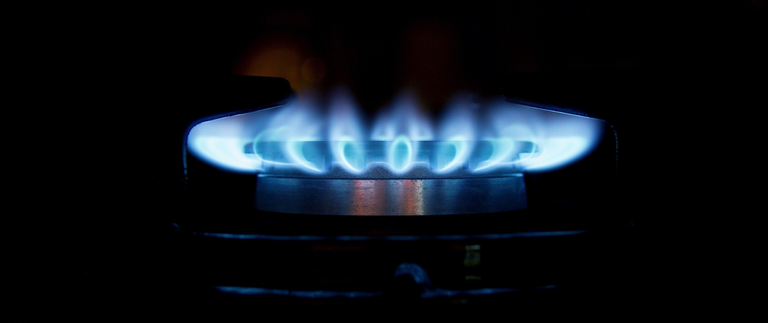

GLP Should Become Cheaper With Increased Competition and Investment in Infrastructure
The rise in cooking gas prices has forced the government to take significant action to try to control price hikes of GLP. This week, Copagaz, a company that is part of the Zahran group, will be the first Brazilian company authorized to import GLP from Argentina. The agreement will enable the company to import 74 thousand tons per year into the Brazilian market, with 7.6 thousand tons only in this bimonthly period. Infrastructure is also expected to receive new investments.
This is a strategy from the federal government to try to lower gas prices in Brazil. In a statement published by the Ministry of Mines and Energy, the diversification of GLP supply will certainly make the price more affordable for the Brazilian population.
The delivery of gas is scheduled for April and May, to be carried out by Transportadora de Gas del Sur (TGS), at the Gas Terminal of the South, in the city of Canoas, RS. Copagaz intends to make substantial investments in infrastructure in Brazil, acquiring terminals in the South and Northeast of the country.
-
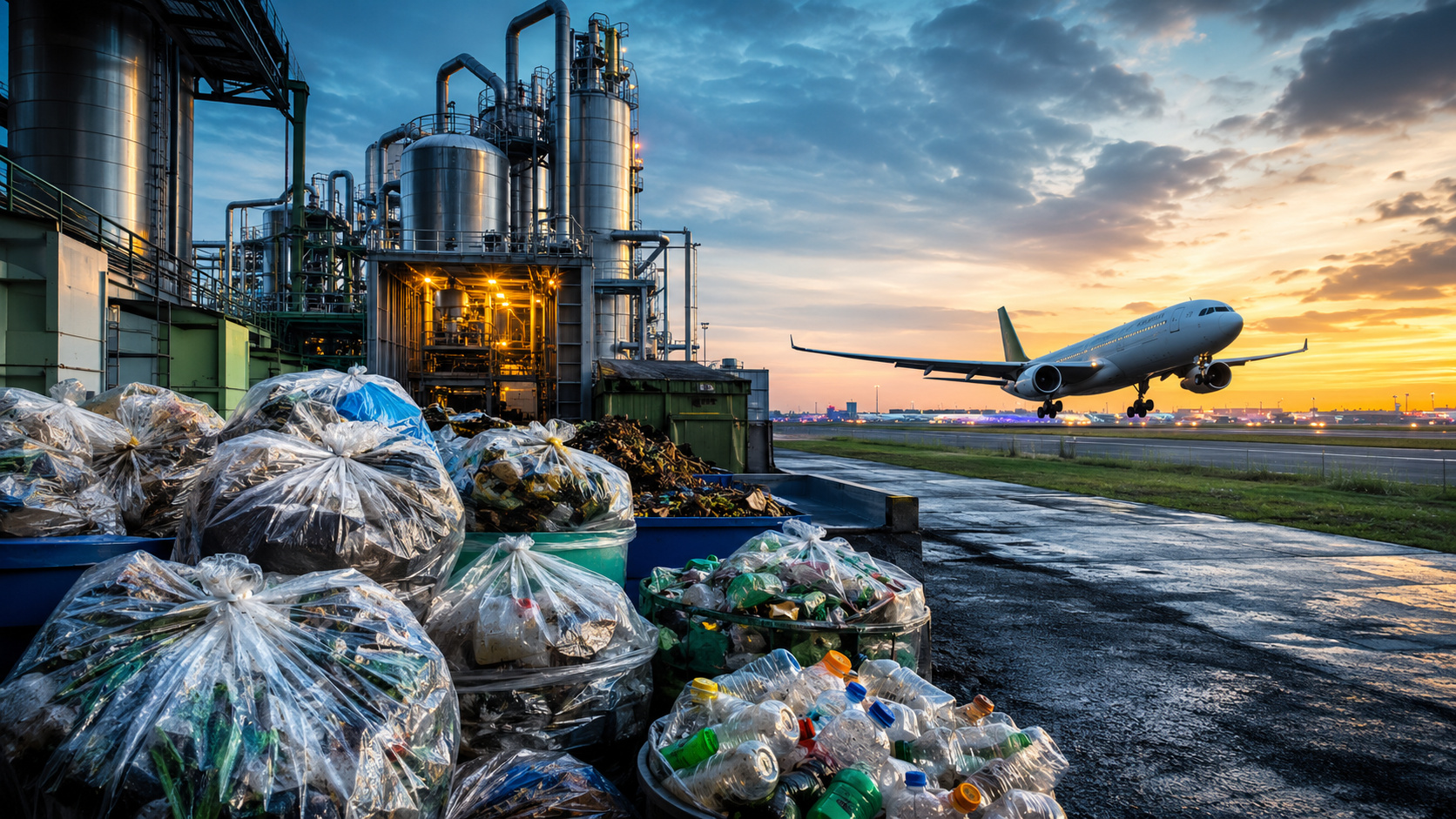
Qantas and Airbus Invest in Company Aiming to Convert Unsorted Household Trash into Jet Fuel

-
Brazil’s ANP Opens 86 New Oil Blocks in the Equatorial Margin, Expanding the Amazon River Mouth Frontier

-
OPEC+ Boosts Oil Supply by 188,000 Barrels per Day in July 2026, Leading to Price Drop from $112 to $89 per Barrel in Under Two Months

-
TotalEnergies Signs 20-Year Deal to Purchase 2 Million Tons of LNG from Alaska, Boosting Project Viability

In Addition to Increasing Suppliers of Cooking Gas in Brazil, the Operation Will Reduce Dependency on Petrobrás and Domestic Products.
The Ministry of Mines and Energy has designed the initiative Abastece Brasil. It was created to promote competition throughout Brazil’s fuel supply chain. One of the advantages highlighted by the Ministry of Mines and Energy is that the transportation of natural gas between Brazil and Argentina will take two days. Since Copagaz operates in 24 states and the federal district, the company’s initiative.
GLP Should Become Cheaper and Attract Investments in Infrastructure
The MME also emphasizes that it has been working to generate new investments in infrastructure. The idea is to increase the amount of available GLP gas in the market. This is expected to happen through imports to ensure supply in the country at a fair price.