






 Portuguese
  Spanish


Gasoline Priced at R$ 3.63? Today Was the Day Brazilians Challenged Taxes and Faced Giant Lines
The scene was repeated in several cities in Brazil: drivers waking up early, forming huge lines, and organizing as if it were a special event. The reason? A rare opportunity to fill up with gasoline at a price not seen in years — R$ 3.63 per liter. This was the main attraction of the Tax-Free Day (DLI), a national campaign aimed at showing the burden of taxes on Brazilians’ wallets and raising awareness about the urgency of tax reform.
Gasoline Without Taxes: A Noticeable Saving That Lightens Consumers’ Wallets
Gasoline at R$ 3.63 was sold at a gas station in Vitória (ES), during an action promoted by the CDL Jovem of the capital of Espírito Santo. The price represents a saving of R$ 2 per liter, as the common price at gas pumps is around R$ 5.60 in the region. A total of 5,000 liters of fuel were made available without the incidence of taxes such as PIS/Cofins, ICMS, and Cide, in a symbolic action but with a significant impact.
-
Azul tightens its belt, targets aviation fuel prices, and may reduce flights in cities while Campinas, Belo Horizonte, and Recife become key components of the new network.

-
Petrobras surprises the market and reduces diesel prices at refineries, easing pressure on fuels in 2026 and reinforcing its strategy to maintain competitiveness in the energy sector amid international oil fluctuations and global demand.
-
Gasoline prices may have a controlled increase with the new government MP after the crisis between the US and Iran.

-
Five billion-dollar questions put the fuel market on high alert: distributors are avoiding subsidized diesel and leave open the question of who will assume the risk of this cost.


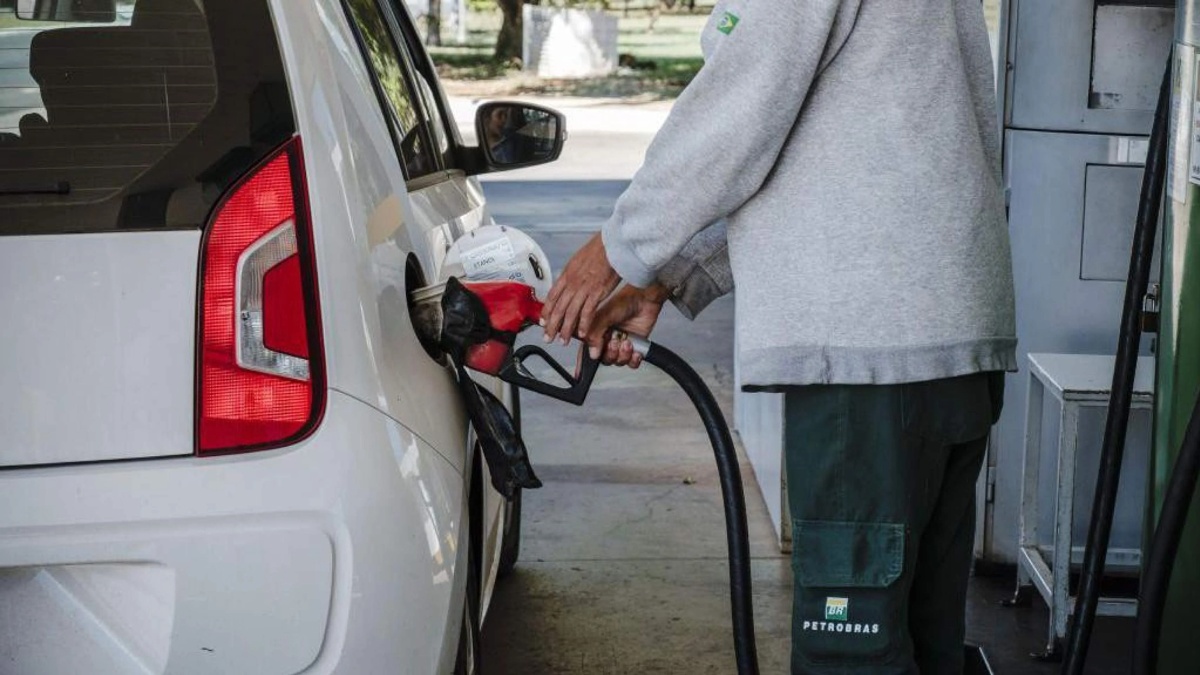

The sale took place at Posto Marlin, in Santa Lúcia, near Unimed Hospital, and was limited to R$ 100 per car and R$ 40 per motorcycle, with payment accepted only in cash, PIX, or debit. The initiative was replicated in other locations across the country, always with significant public participation.
“In fuel, the tax burden on gasoline is quite high. It is one of the products where the consumer can most clearly see how the tax burden impacts the final price at the pump,” emphasized Alexandre Monteiro, coordinator of the DLI in Espírito Santo.
Discounts on Everything: From Medicines to Tires
In addition to the price of gasoline, the DLI offered discounts on various products in supermarkets, pharmacies, and clothing, footwear, construction, and decoration stores. Only in Espírito Santo, all units of the Extrabom chain (32 stores), Farmes (166 pharmacies) and Extra Popular (36 pharmacies) participated, with selected products without taxes.
In Distrito Federal, the movement began early in the morning. Drivers arrived at the gas station in Asa Norte around 5 a.m. to secure gasoline at R$ 4.52 — a drop of R$ 2.13 from the normal price of R$ 6.65. Each person could fill up with up to 20 liters, with payment only in cash.
According to the Câmara de Dirigentes Lojistas (CDL), products sold without taxes had discounts of up to 30% in the DF. The idea was to practically demonstrate how taxes directly affect consumption in the country.
Cities in South Rio Also Joined the Movement
In the state of Rio de Janeiro, cities like Barra Mansa, Resende, and Volta Redonda also joined the movement. In Resende, for example, 29 companies from different sectors participated in the campaign, which included clothing stores, pharmacies, restaurants, optics, and even health clinics.
In the Ano Bom neighborhood, the Posto Aliança Nações Unidas offered tax-free gasoline to the first 100 cars and 50 motorcycles, with a limit of 20 liters per car and 5 liters per motorcycle. The discounts were valid only on this Thursday (29), both in physical stores and on the CDL Resende website, where consumers could generate vouchers to take advantage of the offers.
So, What is the Tax-Free Day?
The Tax-Free Day is a campaign organized nationally by the Confederação Nacional dos Dirigentes Lojistas (CNDL) in partnership with the CDL Jovem. The goal is to show the impact of the high tax burden on product prices and to push for a fairer and more efficient tax reform.
According to the Instituto Brasileiro de Planejamento e Tributação (IBPT), in 2025 Brazilians will need to work 149 days just to pay taxes — this represents 40.71% of annual income. Organizers estimate that the DLI involved over 100,000 participating stores, in about 1,500 cities, with an expectation to benefit 2 million consumers.
“The country needs a less bureaucratic and burdensome business environment, with a fair and efficient revenue collection system that serves as a basis for increasing competitiveness, productivity, and reducing Brazil’s enormous social disparities,” stated José César da Costa, president of CNDL, in an official statement.
Impostossauro: The Villain that Symbolizes Taxes
To illustrate the campaign, the DLI created a humorous mascot, the “Impostossauro,” a dinosaur representing the burden of taxes on citizens’ purchasing power. The idea is to make the topic more accessible and visible, especially to the young audience who are beginning to understand more clearly how taxes affect their finances.

The discussion about the price of gasoline and the impact of taxes on fuel is far from being something restricted to economists. It directly affects the daily lives of millions of drivers and consumers across Brazil. If filling up the car or buying a medicine without taxes can generate such significant savings, imagine the impact of a comprehensive and effective tax reform.
Did you participate in the Tax-Free Day in your city? Did you manage to take advantage of any discounts? Let us know in the comments! And if you found this content useful, please share it with your friends on social media—after all, everyone deserves to know how much they pay (or stop paying) in taxes in Brazil.


