Portuguese
  Spanish



Geely Is Developing An Electric Car That Can Drive Without A Driver. The Model, Which Features A Futuristic Design, Will Be A Car Without A Steering Wheel And Without Pedals
Waymo already has a driverless transport service in operation, although it covers only a very limited area within and around Phoenix, Arizona, and is using adapted Chrysler Pacifica minivans for this. However, these vans are being used temporarily as test vehicles, and the company is already working on developing a dedicated autonomous electric car. Google’s subsidiary has now partnered with the Chinese vehicle giant Geely, which has created this design under its Zeekr brand. It is a car without a steering wheel and without pedals that drives on the streets without a driver.
Read Also
Geely’s Electric Car Will Use Google’s System
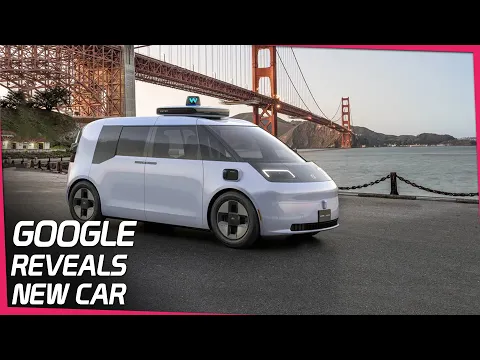

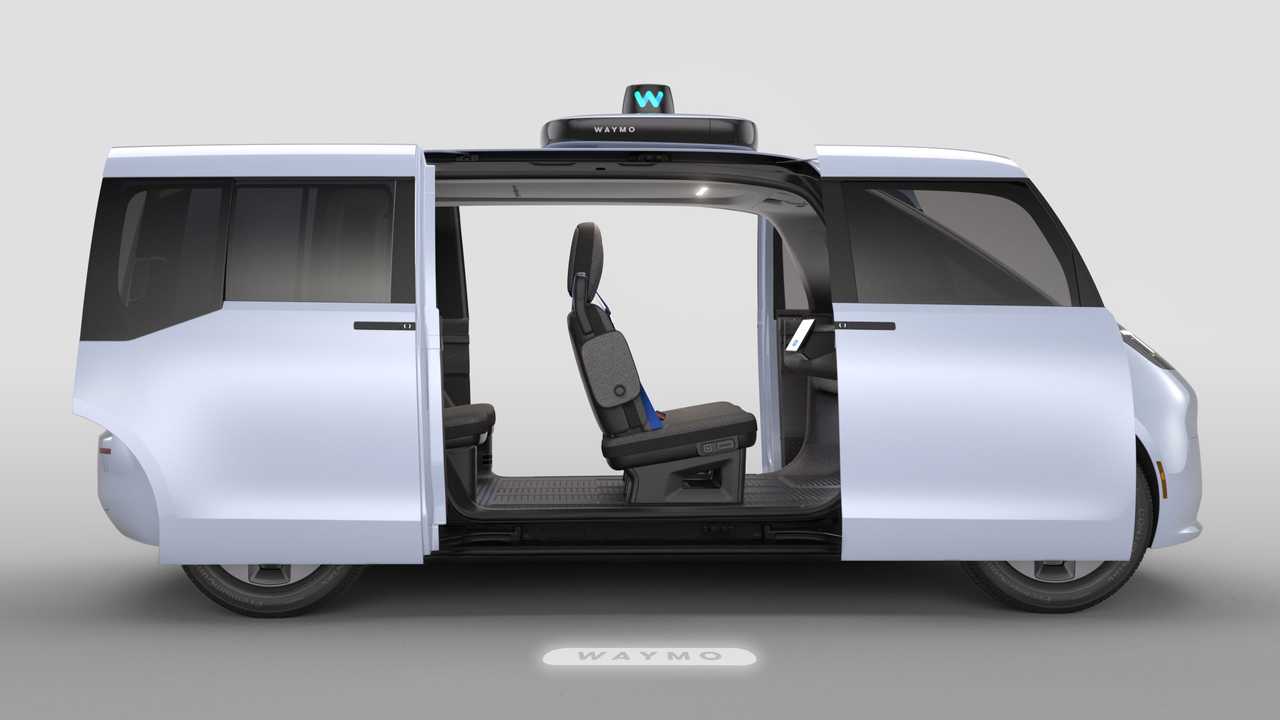
Geely’s driverless car is a vehicle designed to provide greater interior space, with a highly modern exterior design and a touch of futurism, and most importantly, it does not have a physical steering wheel and can operate without a driver, although one is legally required in the final version of the electric car.
The model features four sliding doors, with the front doors sliding forward while the rear doors slide backward, and with no B-pillar, this makes access appear quite easy.
-
Thinking of Installing LED Headlights? Why Replacing Halogen Bulbs is Still Banned, the Glare Risks Authorities Worry About, and How a New Proposal Could Allow Certified, Safe Installations

-
2027 Toyota Corolla Cross Unveiled: New Design, Enhanced Fuel Efficiency, Reduced Maintenance Costs, Advanced Technology, Connected Services, and Up to 10-Year Warranty

-
Fiat Cronos Precision 2018: Affordable Sedan with Spacious Trunk and Reliable Maintenance
-
Volkswagen to Cut Production by 1 Million Cars by 2030, Reducing Jobs and Platforms, Focusing on More Profitable Models





The floor of the driverless car is also extremely low, making entry even easier, and once inside, there are two rows of seats that can accommodate up to five passengers.
Authorities Require That The Final Version Of Geely’s Electric Car Come To Market With A Physical Steering Wheel
In its press release, Waymo did not clarify whether it will be legally possible to have a car without a physical steering wheel driving with people around, but stated that, while ensuring a high level of safety with federal standards for cars in the United States, its Waymo One customers will one day experience a car without a steering wheel and pedals, featuring much more legroom and reclining seats. Additionally, with screens and chargers within arm’s reach and a vehicle cabin that is simple and comfortable to configure.
The company also does not state when or if this design will actually reach the final market, but claims to begin introducing its electric model first, fully autonomous on the roads of the U.S. in its Waymo One fleet in the coming years.
The company also makes it clear that the posted photos are illustrative, considering that the final design will reflect the applicable standards for the vehicle at the time of production.
Baidu Competes With Google And Is Also Developing An Autonomous Electric Car
Baidu, one of the largest search engines in the world, launched in August a driverless electric car that will have a high level of safety when operational. The driverless car will feature safety that can be compared to that of a human driver.
The model will include various sensors to operate on a high safety basis, in addition to machine learning and artificial intelligence. With these tools, the vehicle will have the capability to develop its own driving modes, surpassing those of ordinary people and without the need for human driving.