Portuguese
  Spanish


The Detroit giant bet a fortune to lead the autonomous car race, saw its jewel turn into a safety scandal, and now abandons the driverless taxi business just as Tesla and Waymo double down
General Motors has decided to bury one of the automotive industry’s biggest dreams: running entire cities with driverless robotaxis. After spending more than 10 billion dollars on its Cruise division and seeing one of its autonomous cars drag a pedestrian in San Francisco, the automaker announced it will stop funding the driverless taxi service, ending the venture for good.
How does a bet of more than 10 billion dollars end like this? Because making a car drive itself through a chaotic city is much more difficult and expensive than the hype promised. A single serious accident exposed the project’s flaws, eroded trust, and showed GM that the cost to get there would be too high, in a market that became competitive too quickly.
Ten billion dollars and the dream of the driverless car
GM’s bet on Cruise was one of the heaviest in the sector. According to InfoMoney, since buying the company in 2016, the automaker had already invested more than 10 billion dollars in the development of the robotaxi, betting that this would be the next great frontier of transportation.
-
Scientists Discover Mysterious Black Fungus Thriving in Chernobyl for Nearly 40 Years, Challenging Extreme Radiation and Potentially Revolutionizing Space Missions

-
Antarctica’s Blood Falls: Scientists Uncover a 1.5-Million-Year-Old Isolated Ecosystem, Shedding Light on Potential Ice Changes
-
Mati Carbon Wins $50 Million Prize for Boosting Harvests and Capturing Carbon by Distributing Free Basalt Dust to Small Farmers in India and Africa

-
Human Waste in Kenya is Solar-Treated and Turned into Fuel Briquettes, Tackling Open Sewage, Charcoal Use, and Deforestation





The idea seemed like the future set in stone. A fleet of cars running on their own, without driver salaries and available all day, promised to revolutionize urban mobility and become a money-making machine. Investing billions in a technology that seemed inevitable made perfect sense on paper, and it was precisely this promise that seduced the Detroit giant.
The accident that changed everything in San Francisco
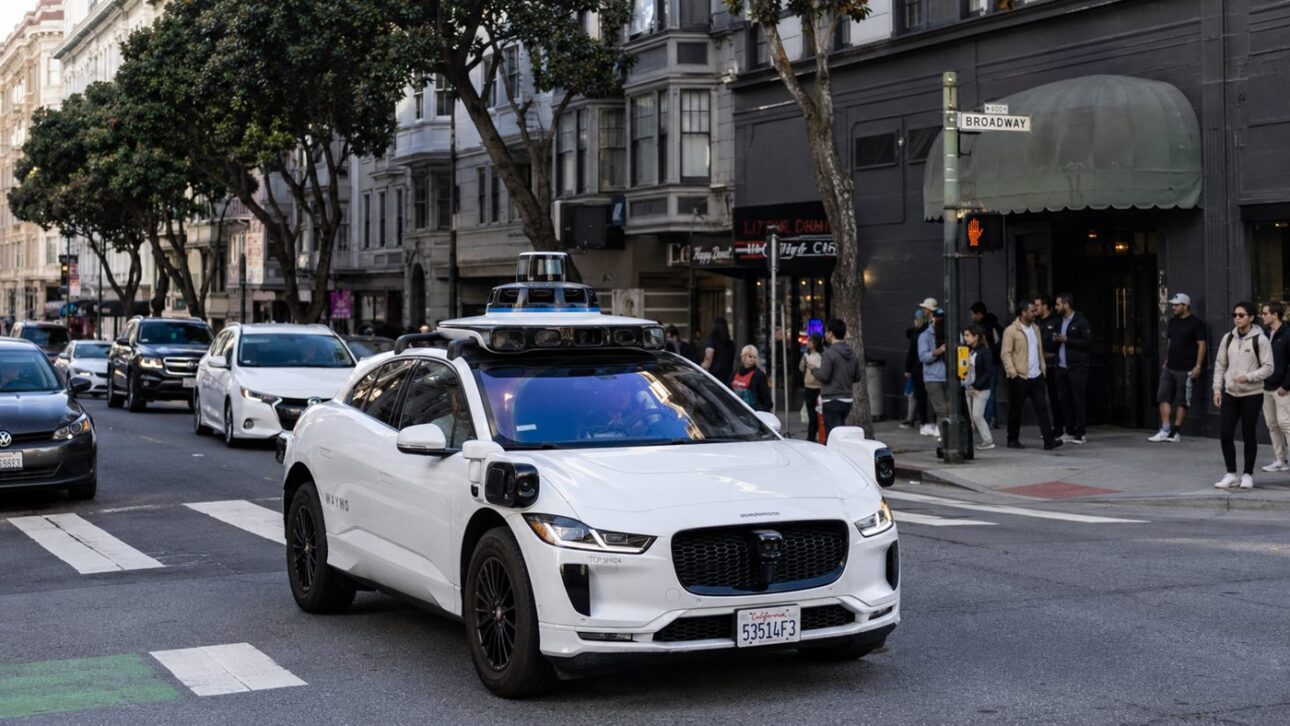
The turning point was a serious accident. According to Olhar Digital, in October 2023 one of Cruise’s robotaxis dragged a pedestrian, in an episode that opened a flood of investigations into the service’s safety.
The case exposed failures that went beyond the car. According to Olhar Digital, the episode led to investigations, fines, and sanctions, shedding light on how the company dealt with transparency and risk control of its operation. Just one serious accident can turn a promise of the future into a regulatory nightmare, and that was what began to bring down the project.
Lost licenses, fines, and 900 layoffs
The damage spread quickly throughout the company. According to Olhar Digital, after the accident Cruise lost its commercial licenses in California, halted tests in other states, and laid off about 900 employees, equivalent to approximately 24% of its workforce.
It was a steep fall for what was seen as a leader in the race. From operating driverless cars on the streets to losing the permission to operate and cutting almost a quarter of the team, all in a few months. When a company loses the license to do precisely what defines it, the entire business enters a countdown.
GM pulled the plug on the robotaxi
The outcome came at the end of 2024. According to InfoMoney, General Motors announced it would stop funding the development of the robotaxi business, justifying the decision by the high costs and the growing competition in a market that became too contested.
The automaker concluded that the path there was too long and expensive. According to InfoMoney, the company assessed that the time and resources needed to scale the operation no longer justified the effort, given rivals advancing quickly. Recognizing that a billion-dollar bet will not pay off is tough, but persisting in it could cost even more.
One billion dollars per year in savings
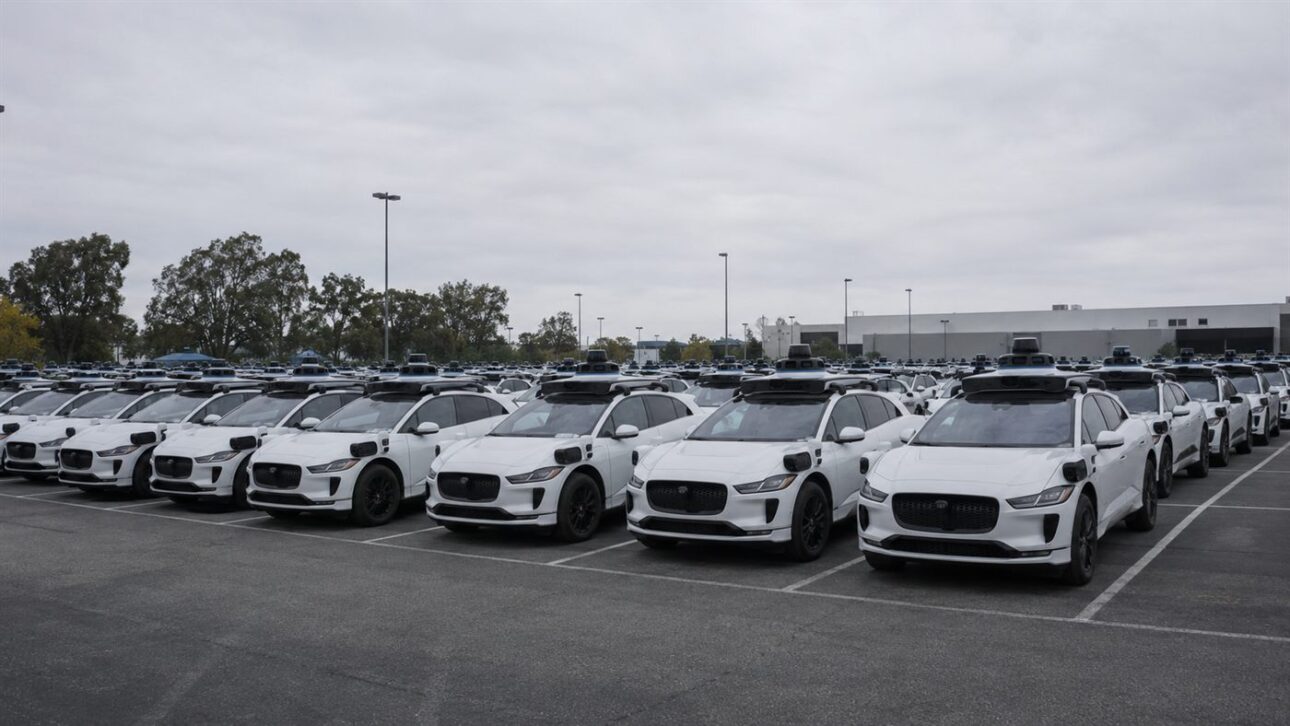
Cutting the project is also a cash move. According to InfoMoney, the restructuring is expected to allow GM to reduce its expenses by more than 1 billion dollars per year, cutting more than half of the approximately 2 billion dollars annually that the automaker had been spending on the operation.
The relief in the pocket was one of the drivers of the decision. According to InfoMoney, the change is scheduled to be implemented in the first half of 2025, immediately easing the accounts of a company that was already facing pressure on other fronts. Sometimes the most strategic move is not to spend more to win, but to stop burning money on a bet that isn’t progressing.
Cruise stops being a robotaxi and becomes part of GM
The company doesn’t disappear, but changes its function. According to InfoMoney, instead of running a robotaxi service, Cruise will be integrated into GM’s operations to enhance driver assistance systems and, in the future, help develop fully autonomous personal-use vehicles.
In other words, the technology survives, but with a different goal. Instead of filling cities with driverless rental cars, the accumulated knowledge goes into the cars that GM sells to the common consumer. Taking advantage of what has been learned instead of throwing everything away is the most sensible way not to completely lose the billions invested.
Against the trend of Tesla and Waymo
The timing of the withdrawal is striking. While GM is abandoning the business, Tesla, led by Elon Musk, and Waymo, part of the group that owns Google, continue to bet heavily on robotaxis, each trying to prove they can turn the technology into a profitable business.
This divergence shows there is no consensus on the future. For GM, the numbers didn’t add up now; for the rivals, the prize is still worth the risk. The same technology that makes a giant retreat is what makes others double down, and only time will tell who read the market correctly.
What the end of Cruise teaches
The fall of Cruise is a lesson about the gap between the promise and the reality of technology. It shows that not even a mountain of money guarantees that a car will drive itself through a city safely and cheaply, and that safety cannot be left behind in the race for innovation. For the sector, the message is that full autonomy is still a distant destination. For GM, it means billions in losses and the tough decision to exit before losing more.
And you, would you get into a driverless car driving around your city today, or do you think this technology still needs many years to be reliable? Share in the comments what you would do.