Portuguese
  Spanish


Briquettes produced from human waste burn longer and help replace wood and charcoal
According to the company, the briquettes produced from human waste burn longer than traditional wood and charcoal, providing a more sustainable and efficient energy source.
This innovation not only helps in reducing deforestation but also offers a cleaner alternative for cooking and heating, which is crucial in areas where access to traditional fuels is limited.
By turning waste into a valuable resource, Sanivation is creating a circular economy that benefits both the environment and the local communities.
-
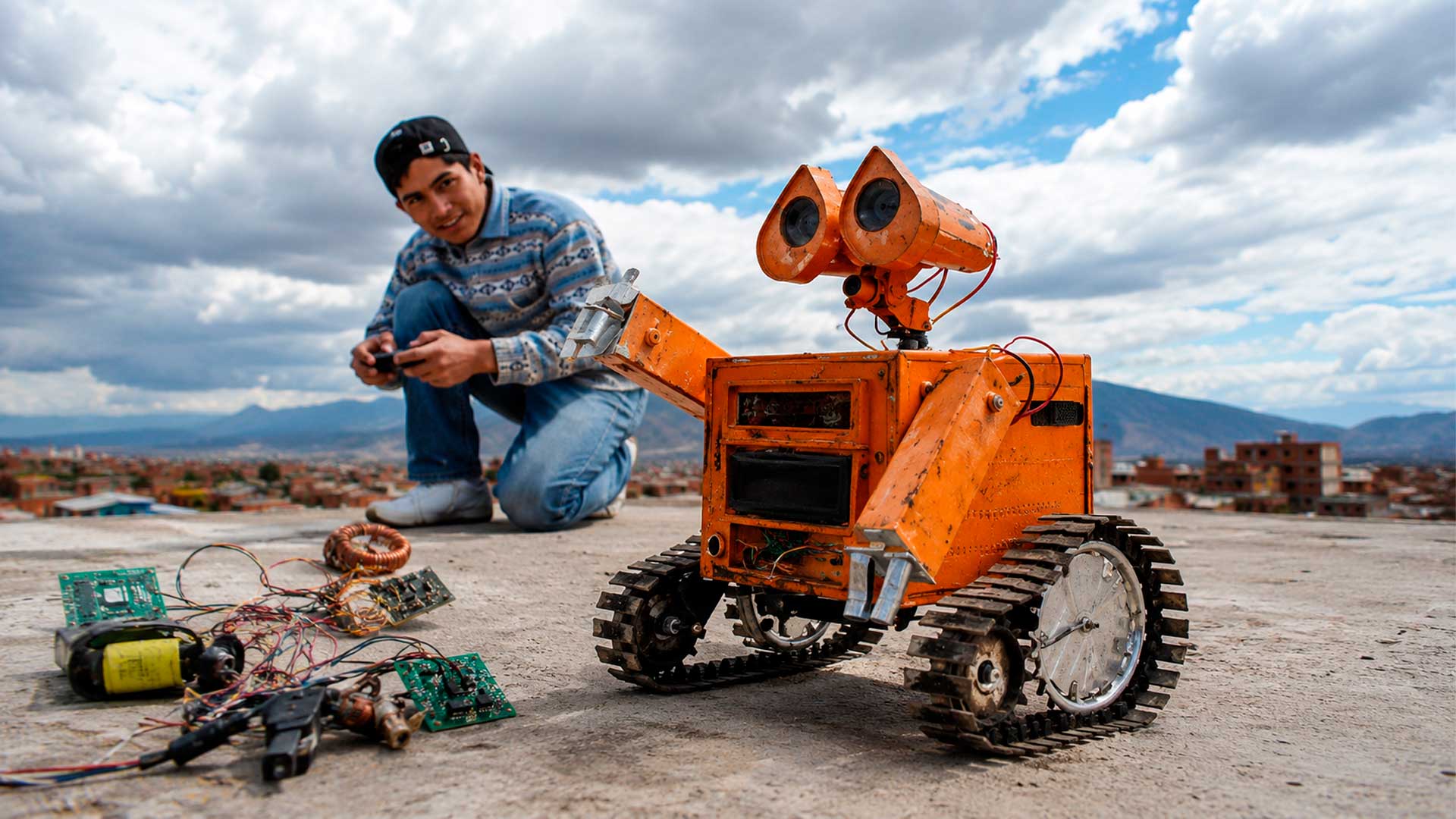
Bolivian Teen Builds Functional Robots from Scrap Materials in High-Altitude Rural Town

-
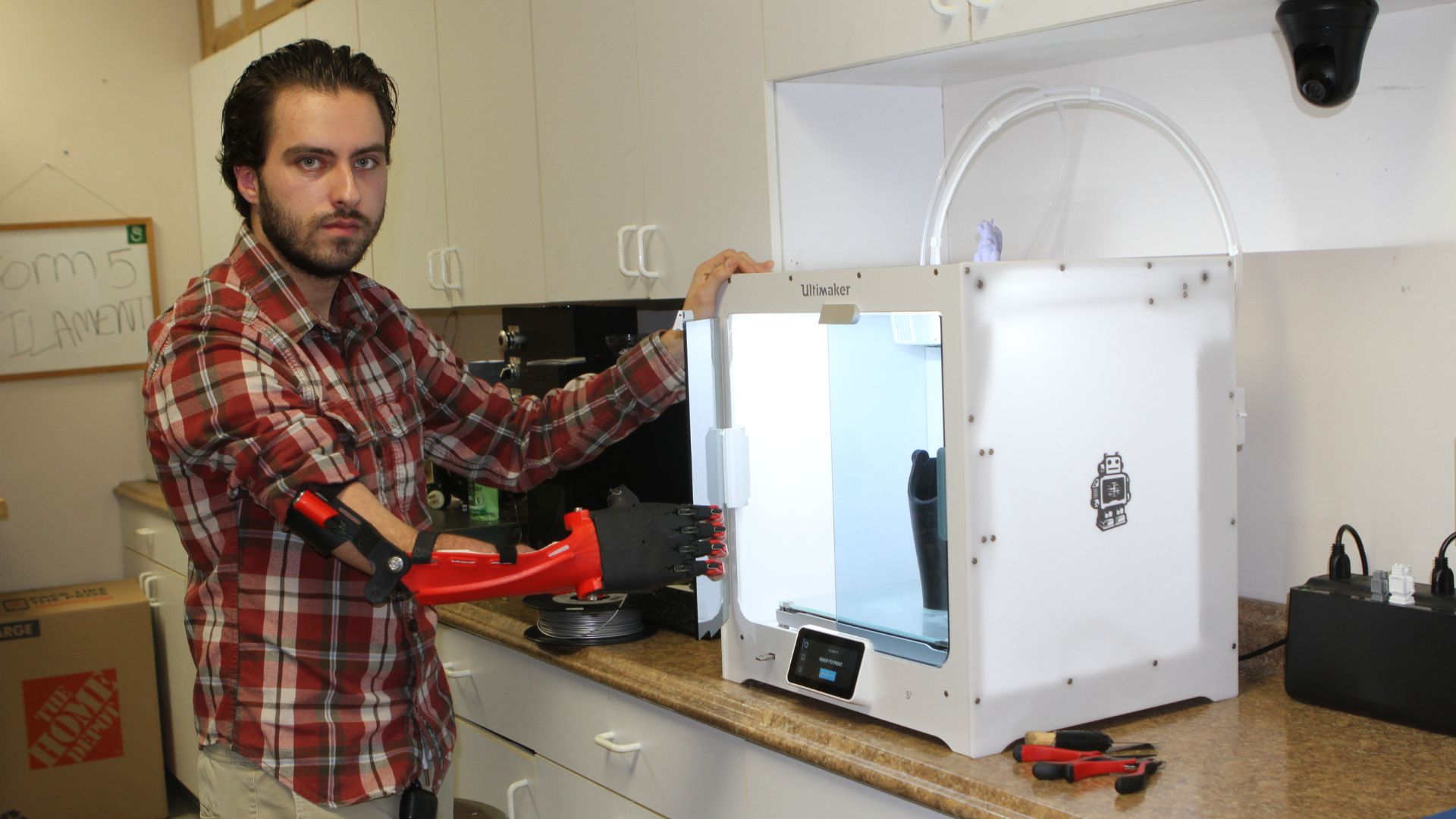
Student Creates 3D-Printed Prosthetics from Recycled Plastic, Turning Waste into Affordable Custom Arms
-
Climate Scientist Who “Proved” Humanity Is Warming the Earth

-
NASA Targets Saturn’s Icy Moon Titan as a Waystation for Interplanetary Travel, Utilizing Its Resources for Fuel and Astronaut Support



The initiative has been recognized for its potential to improve sanitation and energy access in developing regions, showcasing a model that could be replicated in other parts of the world facing similar challenges.
Briquettes produced from human waste burn longer and help replace firewood and coal
According to the technical guidelines of UNHCR for the model applied in Kakuma, Sanivation’s briquettes have an energy value of 22 MJ/kg.
In the same document, wood is listed with 15 MJ/kg, while coal reaches 29 MJ/kg, placing the briquettes above firewood in energy performance and as a viable alternative for specific domestic and operational uses.
The same material states that the burning time of the briquettes reaches about 4.5 hours, compared to 3 hours for coal and 1 hour for wood. The carbon monoxide emissions are 82 ppm for the briquettes, below the 118 ppm recorded for coal in the technical comparison presented in the guide.


This data helps explain why the technology has come to be seen as a practical alternative in low-income contexts and under pressure on forest resources. In addition to reusing waste, the system aims to deliver a fuel with stable performance, longer burn time, and less pollution in everyday use.
Briquette technology in Kenya reduces pressure on forests and tackles a chronic sanitation problem
The CDC states that the briquettes produced by Sanivation help replace traditional fuels and can preserve about 88 trees per ton sold.
This estimate appears as one of the central arguments of the project, which seeks to reduce pressure on forests in regions where charcoal production and firewood consumption continue to be an important part of the domestic energy matrix.
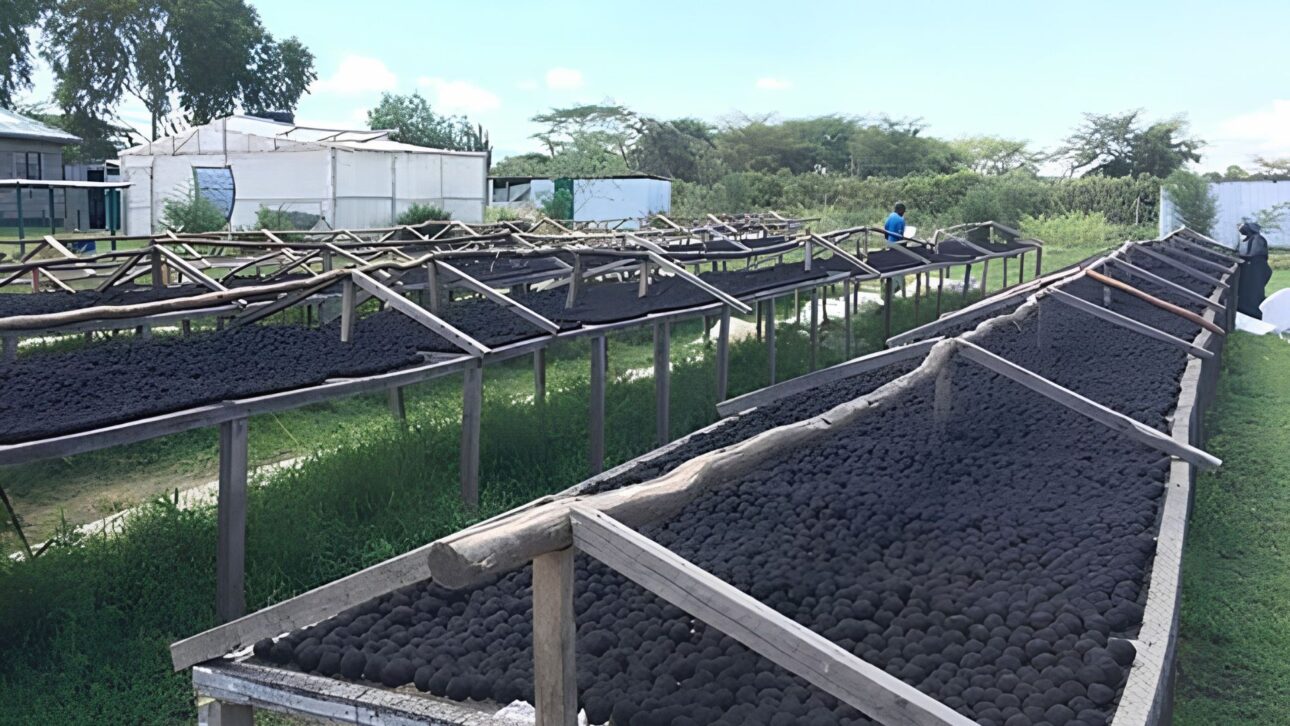
At the same time, the model reduces the improper disposal of human waste in environments without safe sanitation. Instead of contaminating soil and water or remaining in precarious systems, the material enters a route of collection, treatment, and reuse that transforms a sanitation liability into a marketable product.
This combination of sanitation, energy, and circular economy helped differentiate the initiative in the international debate. The project not only acts as a household toilet solution but as infrastructure that attempts to solve the final disposal of waste and generate revenue from the result of this treatment.
Sanivation received US$ 3.3 million to expand the Naivasha plant and scale up briquette production
On January 14, 2026, the Private Infrastructure Development Group, the PIDG, announced an equity investment of US$ 3.3 million to finance the expansion of Sanivation’s operations in Naivasha, Kenya. The package also includes an additional US$ 500,000 in technical assistance to support the plant’s expansion.

According to the PIDG, the expansion of the Naivasha Treatment Plant will significantly increase waste treatment capacity and briquette production.
The institution’s released expectation is that the expanded structure will treat waste equivalent to that generated by 100,000 to 130,000 households, reducing pressure on the local sewage infrastructure and helping to prevent pollution around Lake Naivasha.
The statement also informs that the briquettes produced by the company burn longer and more efficiently than traditional firewood, in addition to reducing industrial clients’ energy costs by 10% to 30%.
Thus, the project ceases to be just a social experiment and is presented as a model with a clear ambition for commercial scale.
Human waste turned into fuel in one of the most unusual experiences of circular economy applied to sanitation
The trajectory of Sanivation shows how a waste normally associated only with sanitary risk can be inserted into a productive chain.
What once represented a problem of collection and treatment has been converted into fuel briquettes, connecting decentralized sanitation, solar thermal treatment, and revenue generation.
At the center of the proposal is the attempt to make sanitation economically more sustainable. Instead of relying exclusively on continuous subsidies, the company uses the sale of fuel to offset part of the operational costs and strengthen the viability of the system in cities with insufficient infrastructure.
The Kenyan case gained prominence precisely for showing that innovation in energy and infrastructure does not need to arise only from expensive technologies or large centralized networks.
In Naivasha and in other Sanivation projects, the transformation of human waste into fuel has consolidated as one of the most unusual and most symbolic experiences of circular economy, sanitation, and energy reuse on the African continent.