






 Portuguese
  Spanish
  2 min of reading


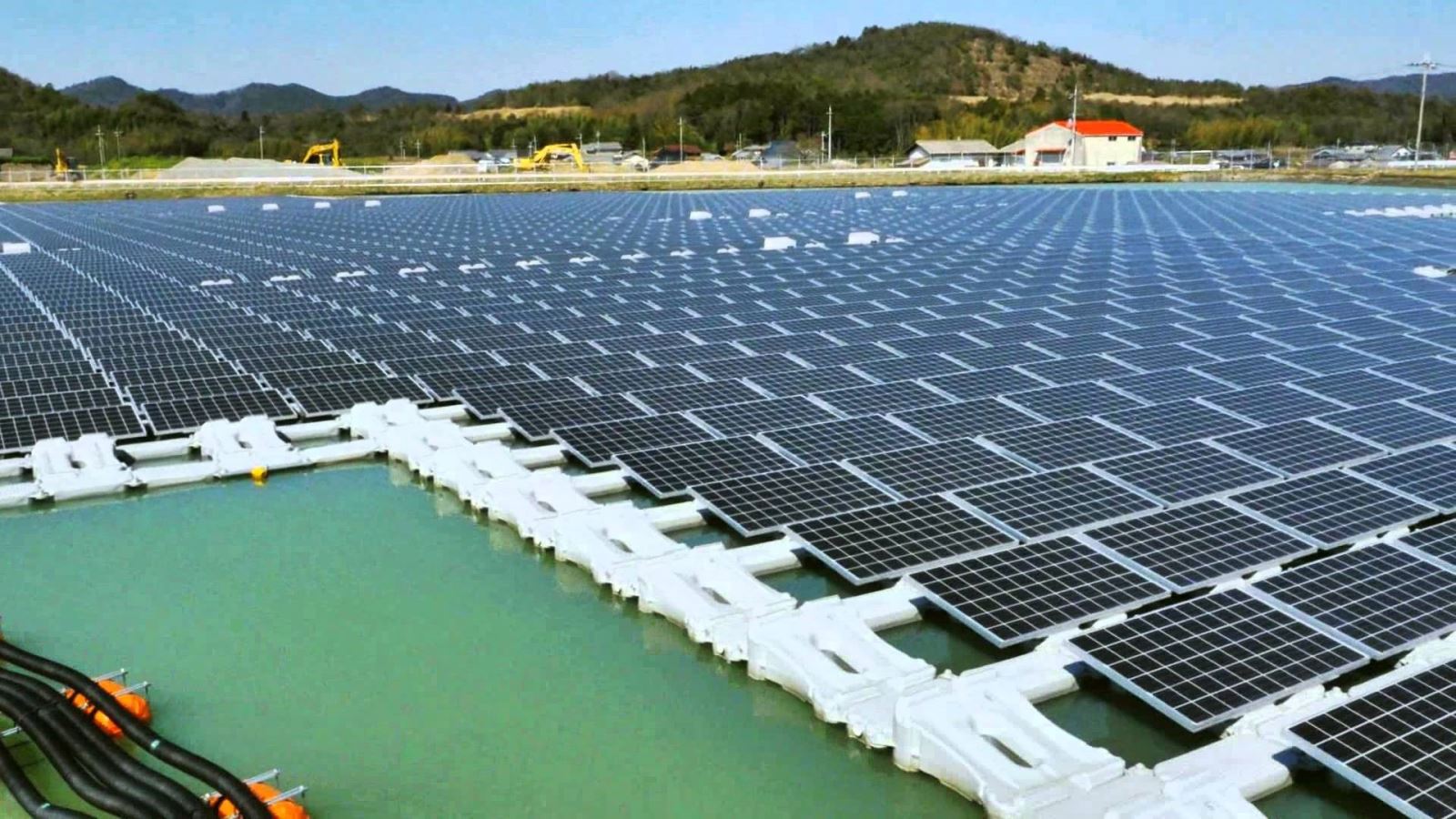
Sunlution, Pioneer of Floating Solar Panels in Brazil, Indicates That Numerous Jobs Can Be Created and Various Investments Can Be Attracted in the Next 10 Years
Aneel – National Electric Energy Agency recently announced the start of a public consultation to regulate the establishment of hybrid power plants and similar facilities in Brazil. Sunlution, a pioneer in floating solar panels in the country, insists that hybrid energy generation can attract 76 billion reais in investments and create 475,000 jobs in 10 years, allowing Brazil to occupy an important position in the renewable energy market with a strong standing in the green hydrogen market.
Check Also:
- Petrobras Confirms 12 Oil Platforms in the Huge Búzios Field. New Generation of High-Capacity FPSOs
- Scientists from the UK, Portugal, and Brazil Managed to Increase Solar Cell Absorption by 125% and Assert That Solar Panel Prices May Decrease in Coming Years
- VLI Opens Job Vacancies for Internships in Maranhão, SP, MG, Bahia, and Ceará, with Selection Process Expected for 2021
Sunlution, in cooperation with Chesf, has plants at the Sobradinho Hydroelectric Plant – Bahia, and Fazenda Figueiredo in Cristalina – Goiás. In the State of São Paulo, BYD and KWP acted as partners, and Sunlution installed a system at the Billings Dam, whose buoys and panels were entirely manufactured for Emae in Brazil.
Luiz Piauhylino Filho, Managing Partner of Sunlution, says, “We recently saw that municipalities and state governments see public-private partnerships (PPPs) as a solution to invest in clean generation. The news is good, but it is necessary to focus on the positive social impact of job creation, not just on the economy of the public sector. Investments will open a new job market, and interested parties should seek qualification from now on.”
-
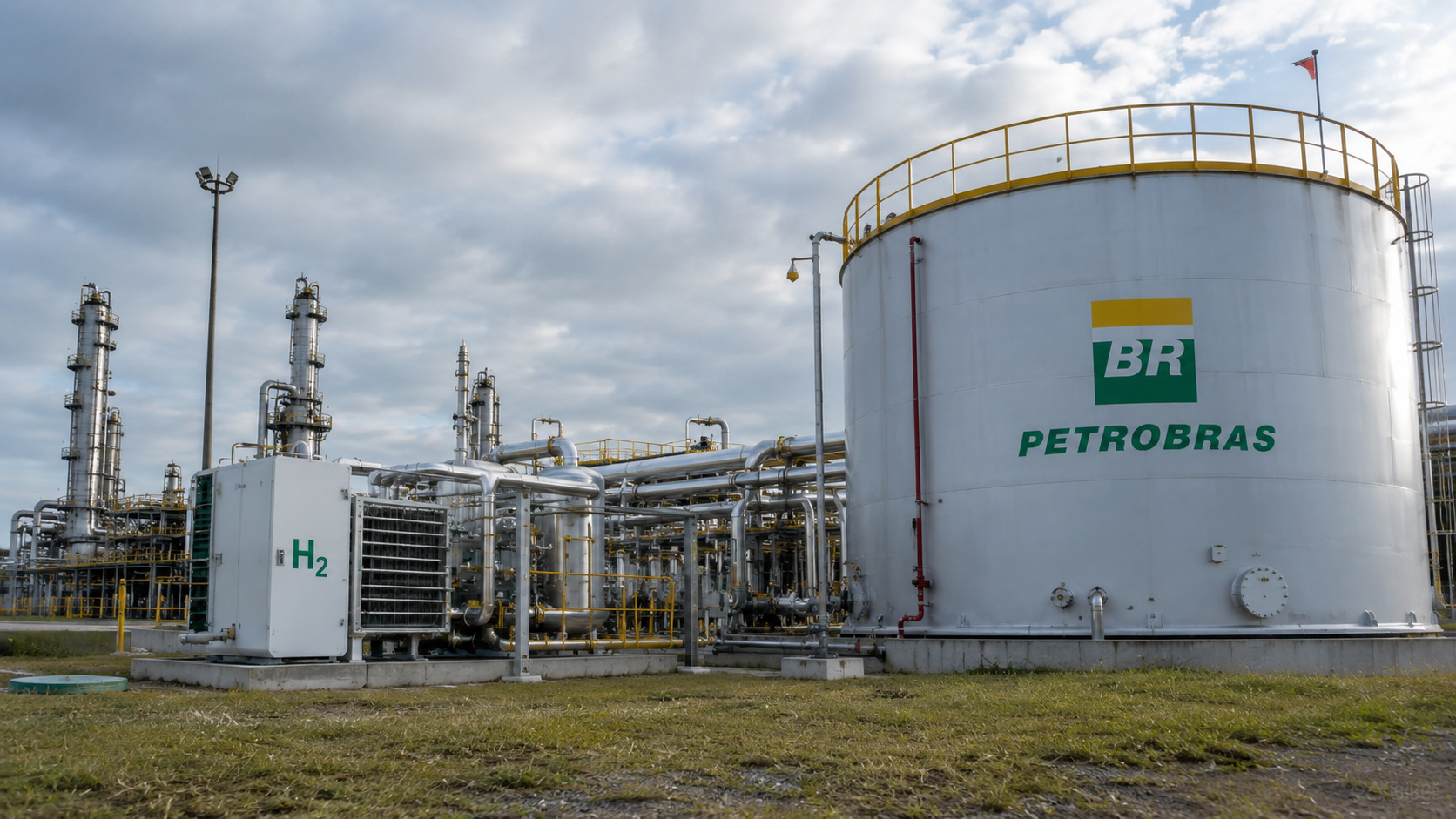
Advancement in renewable energy: A R$ 150 million project launched by Petrobras and Finep aims to create state-of-the-art electrolyzers for green hydrogen, strengthening national research and preparing Brazil to compete in a billion-dollar energy market.

-
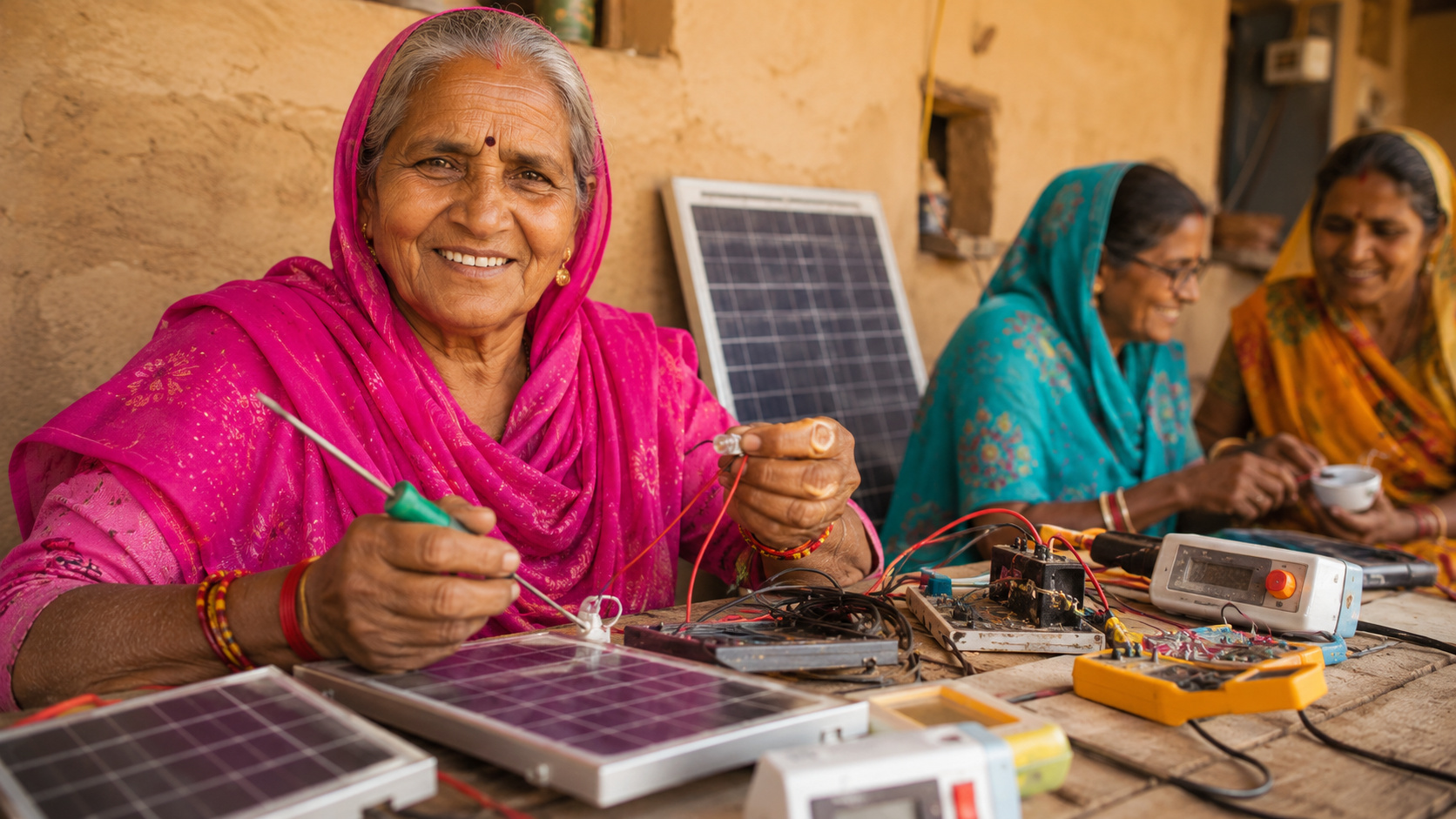
Illiterate or semi-literate grandmothers were trained to repair solar systems, open rural workshops, and light up homes that still depended on kerosene.
-
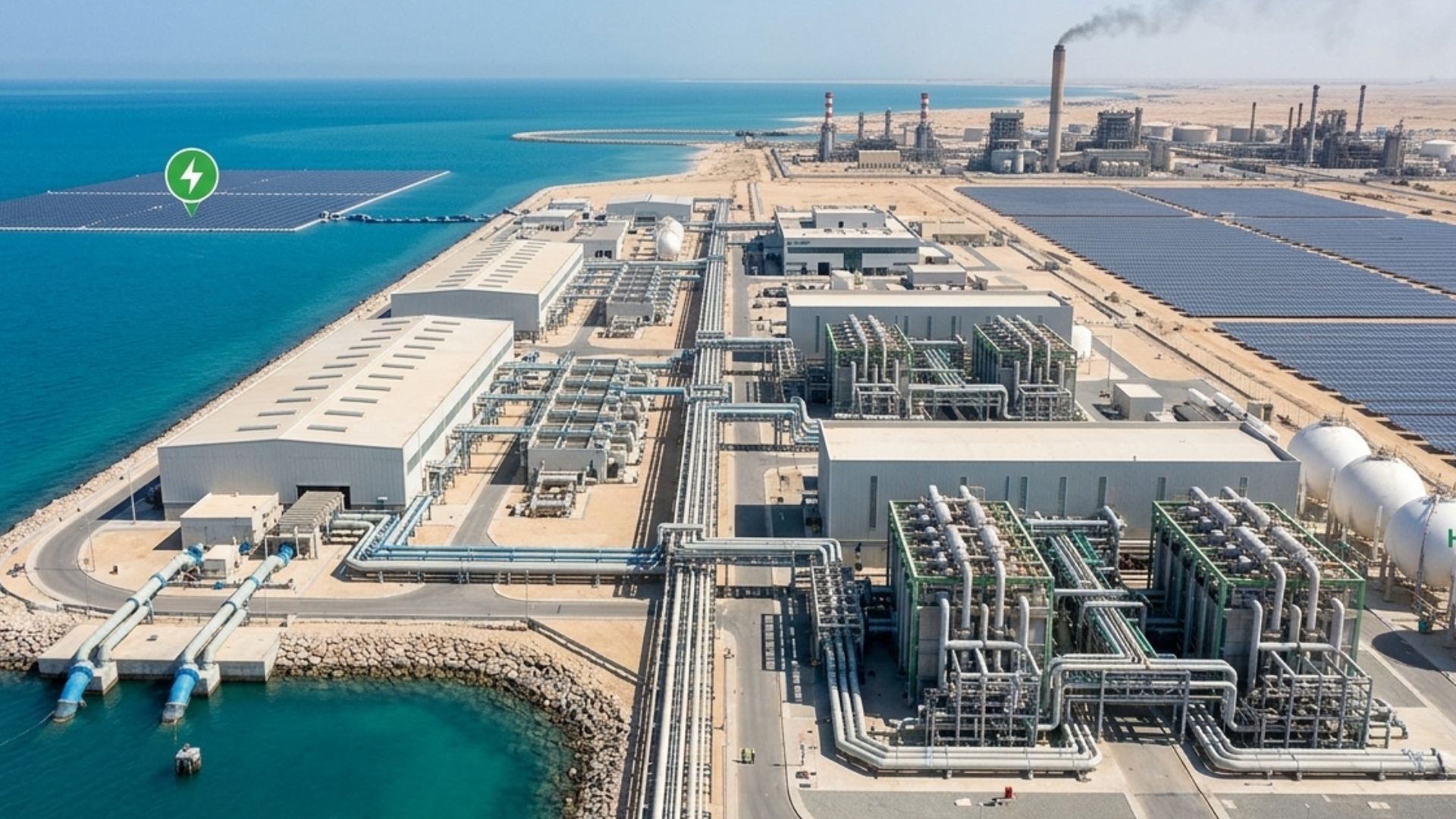
The world has bet on green hydrogen as the fuel of the future, but now faces the side effect: producing 1 kilogram requires about 9 liters of ultrapure water, and the largest projects on the planet are precisely in the driest regions of the Earth, where water is already scarce for people.

-
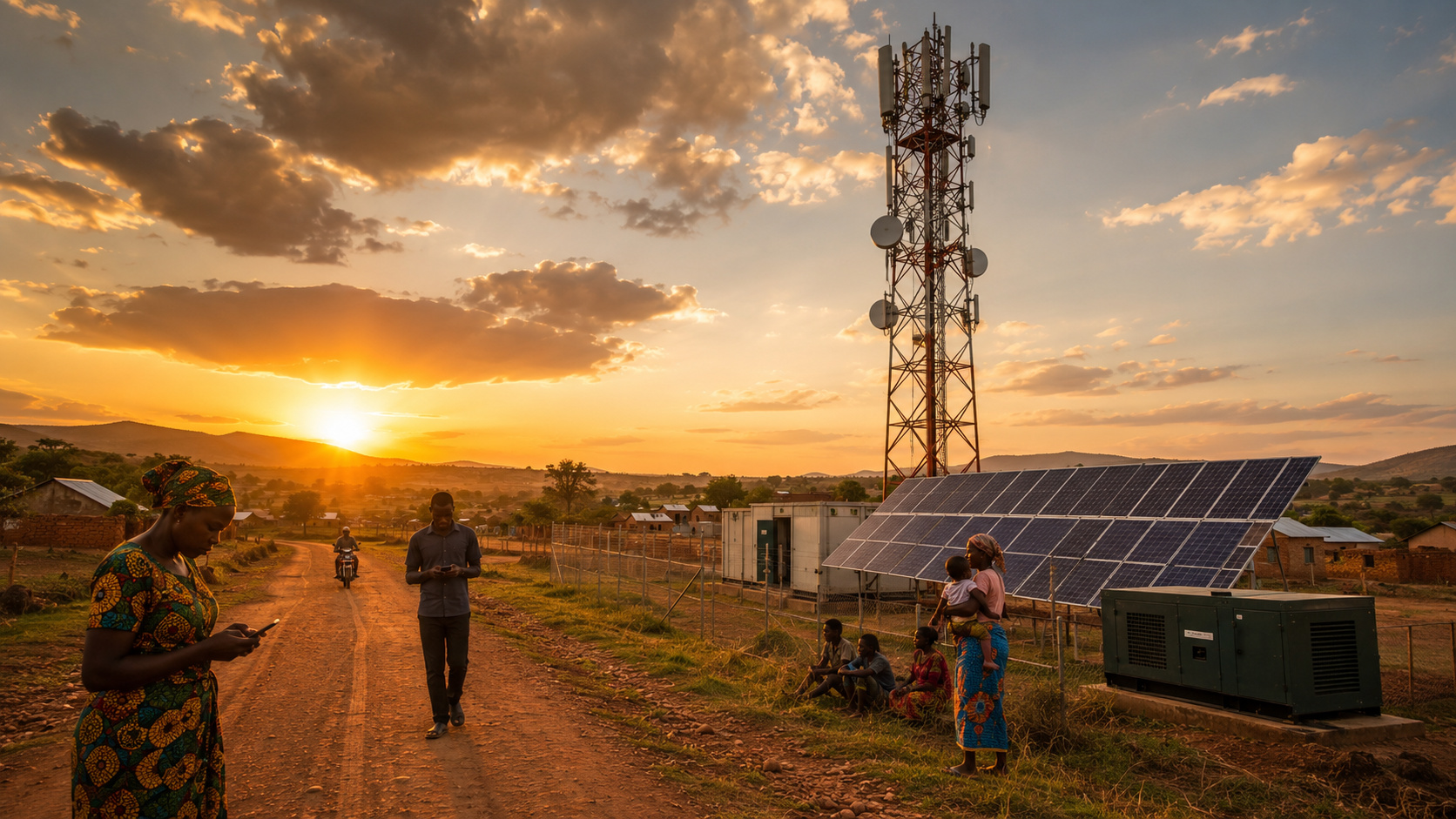
Africa has about 500,000 cell towers and most still burn diesel to operate, while companies rush to cover antennas with solar energy and avoid signal blackouts.
The launch of floating solar projects will also impact the job market. Sector forecasts indicate that, as this situation is expected to change in the next 10 years, it is anticipated that 17% of professionals will migrate to new jobs.
The trend in the renewable energy sector is that the main job vacancies will be for electricians, electrical engineers, and drone operators. The photovoltaic plant will open vacancies in construction, operation, and maintenance.
Luiz further adds, “Companies in the fertilizer, steel, and cement segments are already showing concern about adapting to international compliance, which will require a clean supply chain in production. This is an irreversible path because markets will demand it.”








Be the first to react!