Portuguese
  Spanish


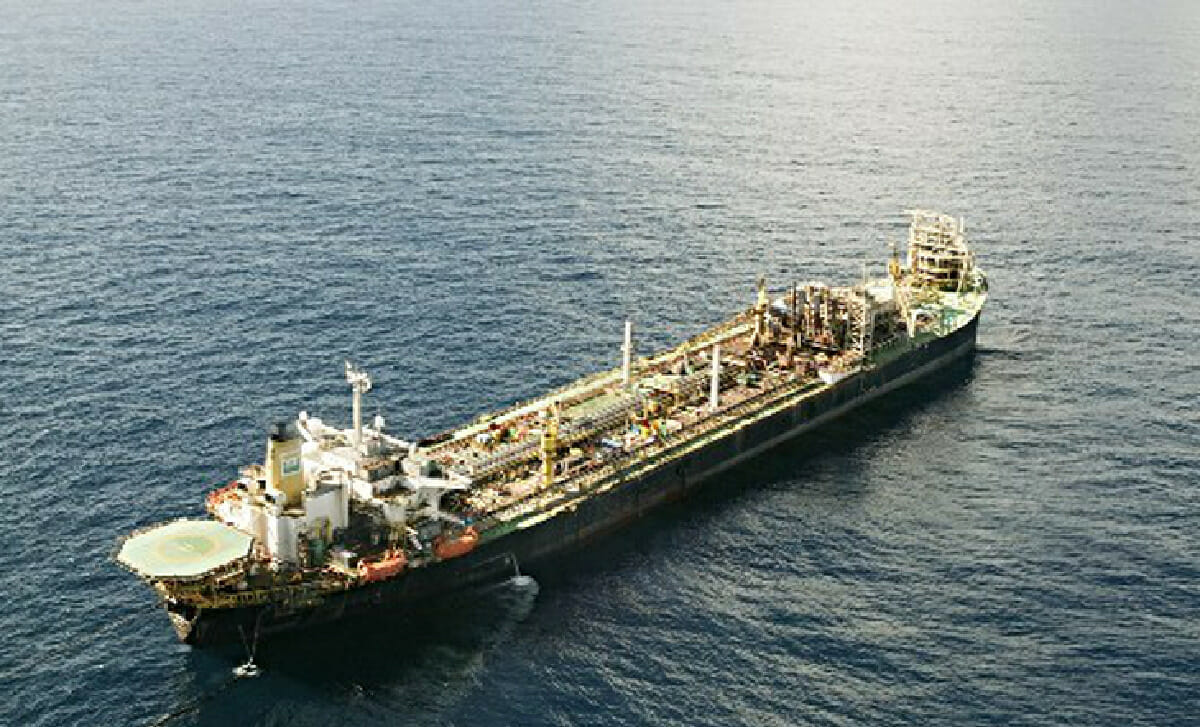

The Platform in RS Was Auctioned to Gerdau and Ecovix, with Practically 100% of the Materials Originating from the Decommissioning Being Recycled by Gerdau
Ecovix, the company that owns the Rio Grande Shipyard, and the steelmaker Gerdau were announced as the winners of the auction for the decommissioning of the P-32 platform, previously used by Petrobrás in the Campos Basin, in Rio de Janeiro. The dismantling work is expected to begin between 90 and 120 days from today (7), and the creation of 250 job vacancies in Rio Grande (RS). is anticipated.
In a strategic partnership, Ecovix will receive the platform at the Rio Grande Shipyard in RS, which is the largest dry dock in Latin America, where the dismantling of the structures will take place over approximately 12 months. For its part, Gerdau will use the generated metal scrap as raw material in its Charqueadas (RS) and Sapucaia do Sul (RS) mills for steel production. Other materials resulting from the dismantling will be sent for safe disposal, ensuring that practically 100% of the unit will be recycled.
Dismantling of the Largest Maritime Unit in Brazil and Other Platforms
The CEO of the Ecovix Group, Robson Passos, celebrated the achievement alongside Gerdau, stating that the P-32 platform, which is currently in RS, will be the largest maritime unit ever dismantled in Brazil. Additionally, he highlighted the importance of this milestone for placing the country and Petrobrás in the green and responsible recycling process. Passos emphasized that this victory in the auction also represents a significant opportunity for Ecovix to strengthen its role in dismantling, considering that there are other 26 units to be decommissioned by Petrobrás.
-
Helsinki Residents Receive Water That Travels 120 Kilometers Through a Hidden Rock Tunnel from a Lake Before Treatment

-
SENAI Launches $36 Million Innovation Round to Boost Brazilian Manufacturing Productivity and Reduce Business Risks with R&D Projects by 2026
-
Indonesia Plans to Build 5,000 Suspension Bridges by 2026 to Connect Rural Communities to Schools, Health Centers, and Markets
-
U.S. Invests $75 Million in Projects to Extract Rare Earths, Gallium, Germanium, and Aluminum from Coal Waste



Generation of Metal Scrap on the Platform and Gerdau’s Commitment to Sustainability
Carlos Vieira, director of raw materials and forests at Gerdau, celebrated the new contract won and highlighted the pioneering nature of the initiative in the Brazilian steel industry in RS. He emphasized that the dismantling of platforms like the P-32 and ships generates an important source of metal scrap, which can be removed from Brazilian seas and transformed into new steel products. Gerdau aims to be a reference in low carbon footprint steel production, as steel is an infinitely recyclable material and contributes to the circular economy.
The partnership between Ecovix and Gerdau in the decommissioning of the P-32 platform in RS represents an important advance in the recycling process and the commitment to sustainability. Moreover, this pioneering project opens doors for future opportunities for dismantling other maritime units of Petrobrás. Gerdau and Ecovix reaffirm their commitment to contributing to the circular economy and reducing environmental impact, promoting a more sustainable steel sector in Brazil.