






 Portuguese
  Spanish
 7 min of reading
  0 comments


Gerdau Faces Significant Losses Due to Curtailment in Solar Park, Affecting Investments and Industrial Competitiveness in Minas Gerais.
The energy sector in Brazil faces complex challenges; however, the advancement of renewable sources presents both opportunities and obstacles.
Recently, the steelmaker Gerdau made public one of the difficulties that large companies face: curtailment in solar parks, especially in Minas Gerais, where the company operates its solar park in Arinos.
As a result, this case reveals not only the direct financial impact but also the complexity of the Brazilian electrical system and the challenges to the expansion of clean energy.
-
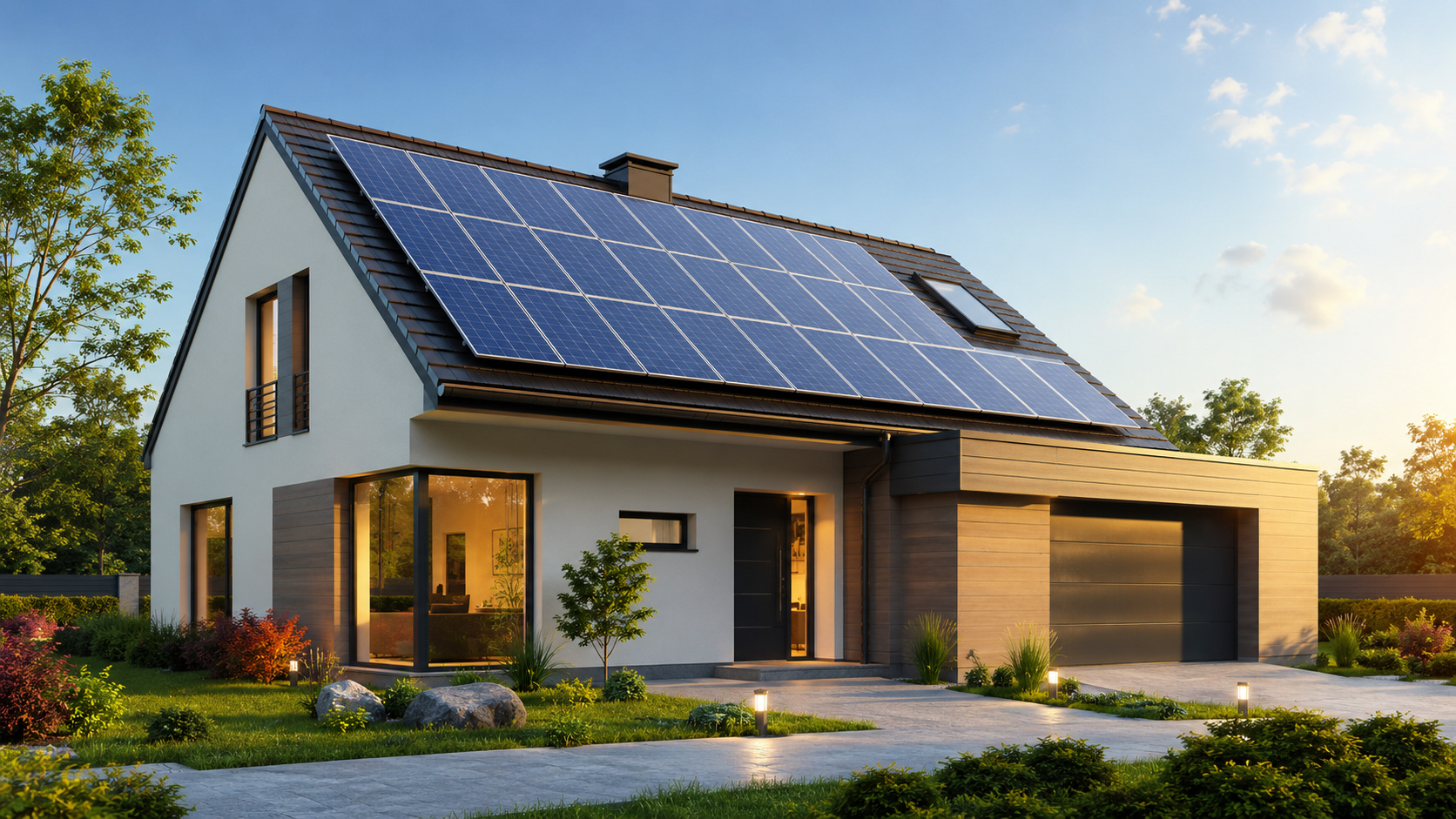
Solar energy can increase property value by up to 10% and become a selling point.

-
Solar and wind energy surpass natural gas for the first time in the world and accelerate energy revolution

-
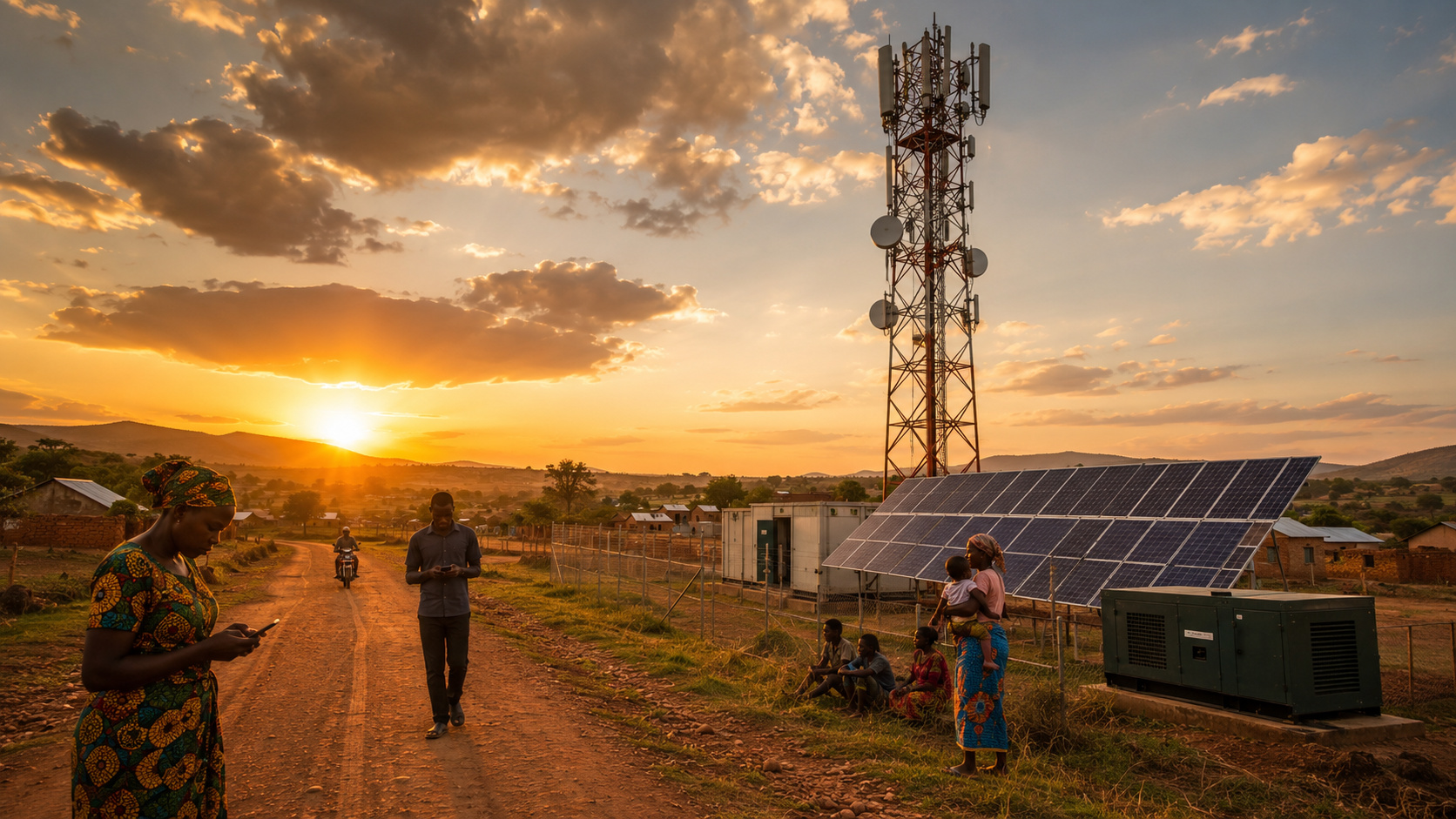
Africa has about 500,000 cell towers and most still burn diesel to operate, while companies rush to cover antennas with solar energy and avoid signal blackouts.
-
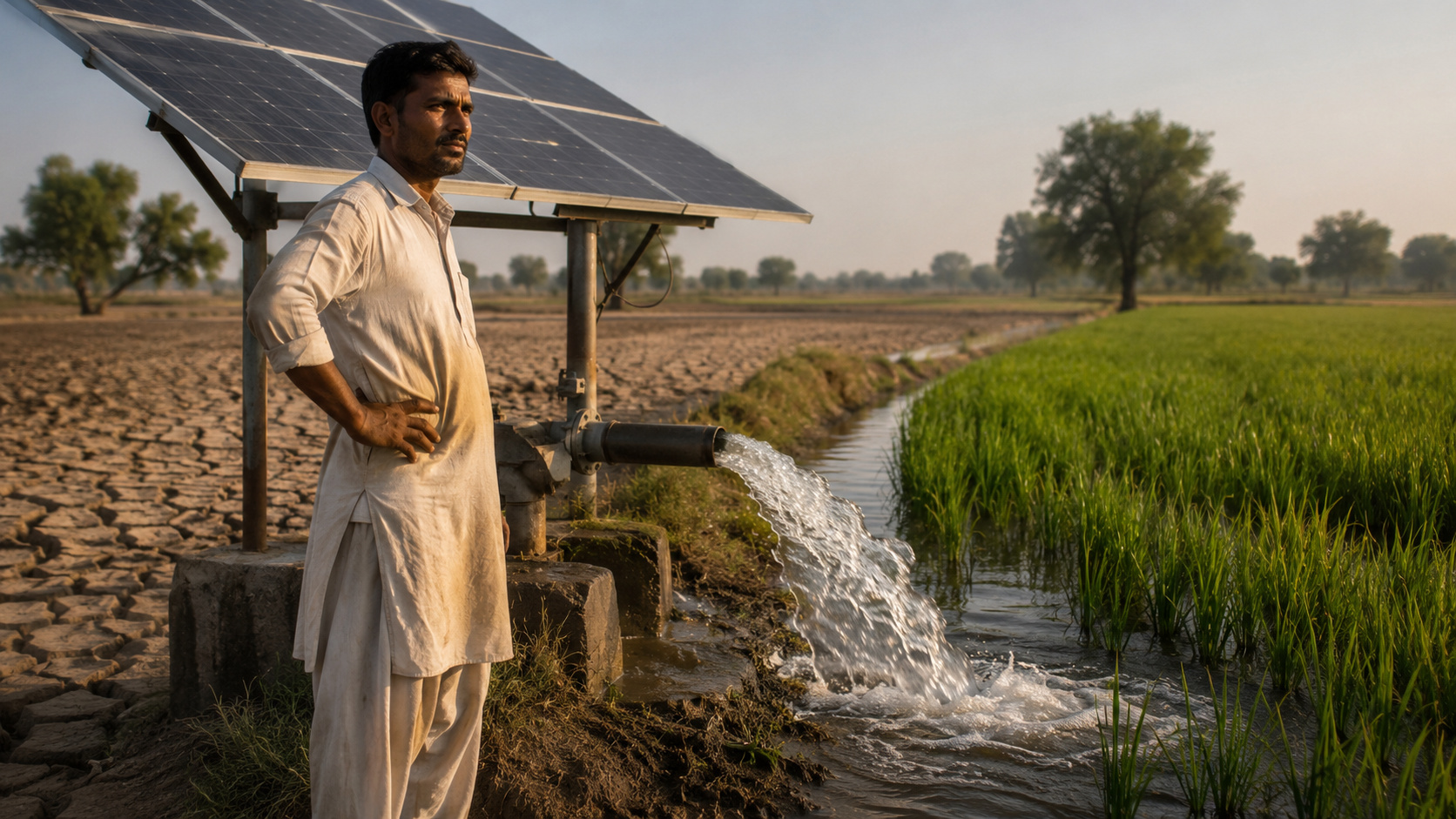
Farmers swapped diesel for solar panels in Pakistan, powered irrigation pumps almost cost-free, expanded rice fields, and now groundwater has become a red alert in the countryside.

Historically, Brazil has always relied on privileged natural resources for energy production.
Since the early 20th century, the country has invested heavily in hydropower plants, which still form the backbone of the energy matrix today.
Moreover, the abundance of rivers facilitated large projects like Itaipu and Belo Monte, allowing Brazil to achieve high electrification rates.
However, the growing industrial demand and interest in renewable sources, such as solar and wind, tested the integration capacity of the national electrical system.
Additionally, the expansion of the steel industry and other energy-intensive sectors made it evident that there was a need to diversify the energy matrix.
Therefore, the increase in consumption, combined with hydric volatility, showed that relying solely on hydropower would compromise supply stability.
It was against this backdrop that solar energy began to gain traction, especially with incentive policies and specific auctions for new renewable technologies.
Consequently, companies began to invest significantly in self-generation of energy.
What Are Curtailments in Solar Parks?
Curtailments in solar parks, technically known as “curtailment,” occur when the National Electric System Operator (ONS) limits the production of solar and wind energy plants.
This mainly happens due to congestion in the transmission grid, imbalances between supply and demand, or the need to maintain system stability.
Although they prevent blackouts, curtailments cause significant financial losses for energy producers.
Therefore, the issue affects not only operations but also the strategic planning of companies.
In Gerdau’s case, the impacts of the curtailments have proven severe.
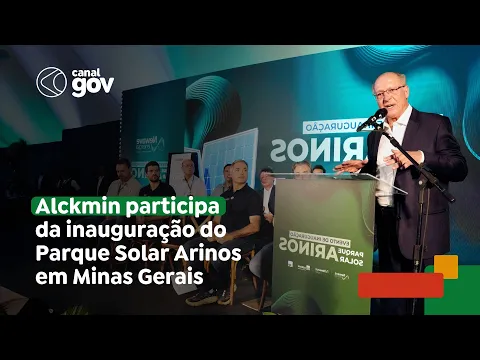
The solar park in Arinos, recently inaugurated in Minas Gerais, represents an investment of around R$1.5 billion.
With over 750,000 solar panels, the complex was expected to contribute significantly to clean energy generation and reduce the company’s operational costs.
However, the park is currently operating with 70% curtailment, meaning that only a fraction of the energy it could generate is being utilized.
As a result, the company faces significant energy efficiency challenges.
This situation highlights a paradox in the Brazilian energy sector.
While the country still dispatches energy from coal-fired thermal plants and other fossil sources, modern solar parks, equipped with advanced technology and high generation capacity, face restrictions that reduce their output.
Therefore, for executives like Gustavo Werneck, CEO of Gerdau, this scenario causes frustration.
He points out that investing in renewable energy, which involves capital, planning, and technological innovation, suffers from decisions that limit the full operation of parks.
Moreover, the phenomenon of curtailment is not limited to Brazil.
Countries that have rapidly expanded solar and wind generation have also faced restrictions, especially when transmission infrastructure has not kept pace with the expansion of plants.
However, the Brazilian case stands out due to its direct economic impact on large self-producers and the negative effect on industrial competitiveness.
Impacts on Industry and Competitiveness
In addition to the immediate financial impact, curtailments in solar parks affect industrial competitiveness.
Gerdau, for example, also produces steel for the wind energy industry, from the base of the wind turbine to the main shaft.
Therefore, with the reduced operation of the solar park and the structural challenges in the sector, local production of equipment and components is facing difficulties, and many suppliers are leaving the country, relocating the industry to other markets.
Consequently, Brazil loses opportunities to generate jobs and strengthen the local production chain.
Another critical point is the price of natural gas in Brazil, which directly influences the competitiveness of the steel industry.
While in the United States the cost of the input is about US$3 per million BTU, in Brazil it reaches US$16.
This factor, combined with the curtailments in solar parks, shows that investments in clean energy and industrial efficiency suffer penalties due to structural and regulatory issues.
This complicates the sustainable expansion of the energy matrix.
Therefore, companies seeking to innovate in renewable energy need to deal with additional challenges that do not occur in more mature markets.
To understand the magnitude of the problem, it is important to consider the evolution of solar energy in Brazil.
The first significant wave of investment occurred in the 2010s, when the country began diversifying its energy matrix to reduce reliance on hydropower.
Additionally, the combination of high solar radiation rates, government incentives, and falling equipment prices enabled the installation of various parks, both for self-generation and for sale in the free energy market.
Consequently, the country has begun to foster a more favorable environment for clean generation, but still faces significant structural challenges.
Moreover, the growth of solar energy has brought indirect positive effects on corporate sustainability policies.
Thus, companies have begun to plan investments considering not only financial returns but also the environmental and social impact of their operations.
In this regard, curtailments represent a dual obstacle: financial and strategic.
Infrastructure and Self-Generation Challenges
The rapid growth of solar energy has also posed challenges for the management of the electrical system.
For example, the transmission infrastructure has not always kept pace with the expansion of solar plants, creating congestion points.
When the system reaches operational limits, the ONS intervenes to maintain grid stability by applying curtailments.
Although necessary, these curtailments directly affect companies that have heavily invested in renewable generation.
Therefore, it is essential to integrate strategic planning with technical capacity.
The case of Gerdau highlights the importance of energy self-generation.
Large companies seek to generate part of their electricity, reducing dependency on the market and mitigating price and supply risks.
However, even self-generation initiatives can be impacted by curtailments in solar parks, demonstrating that the issue goes beyond private investment and involves public policy planning, regulation, and infrastructure expansion.
Furthermore, the situation reinforces the need to anticipate operational and financial risks.
Another relevant aspect is sustainability.
Solar energy is a clean source, with no carbon emissions, essential for combating climate change.
Thus, limiting the operation of these parks compromises investments and delays the country’s energy transition.
In a global context where companies and governments seek to decarbonize their operations, curtailments represent a barrier to competitiveness and environmental responsibility.
Moreover, the instability of the Brazilian electrical grid highlights the need for integration among different energy sources.
Solar and wind parks need to connect to smart systems that allow for energy redistribution, avoiding waste and ensuring that renewable potential is fully utilized.
This technical and regulatory adjustment ensures that billion-dollar investments, like that made by Gerdau, yield sustainable returns.
Paths to the Future
The episode reinforces the need for dialogue between the private sector and regulators.
Coordination among companies, ONS, and state governments ensures that the expansion of renewable energy does not penalize technical or structural issues.
Gerdau’s experience shows that, without adequate adjustments, large investments in clean energy face operational challenges that compromise their economic return.
Historically, similar problems have occurred in other countries during the early stages of renewable energy expansion.
In Europe, countries that rapidly invested in solar and wind parks needed to modernize their transmission networks and create intelligent dispatch mechanisms to prevent energy waste.
International lessons indicate that curtailments can decrease with strategic planning, robust infrastructure, and policies that encourage efficient integration of new sources.
In summary, the case of Gerdau in Minas Gerais highlights the challenges faced by the Brazilian energy sector amid the expansion of solar energy.
The curtailments in solar parks represent not only a technical issue but also a problem that involves economics, industrial competitiveness, and sustainability.
For companies investing in self-generation and clean energy, understanding and dealing with these curtailments is essential to maintain efficient operations and ensure that the benefits of solar energy are fully realized.
As Brazil enhances its renewable energy matrix, solutions must reduce curtailments and enable solar parks, such as the one in Arinos, to operate at full capacity.
This involves investments in transmission, clear regulations, and ongoing dialogue between regulators, industry, and government.
Only then will it be possible to transform the country’s solar potential into effective, sustainable, and economically viable energy, ensuring that the industrial sector grows in a competitive and environmentally responsible manner.







Be the first to react!