






 Portuguese
  Spanish


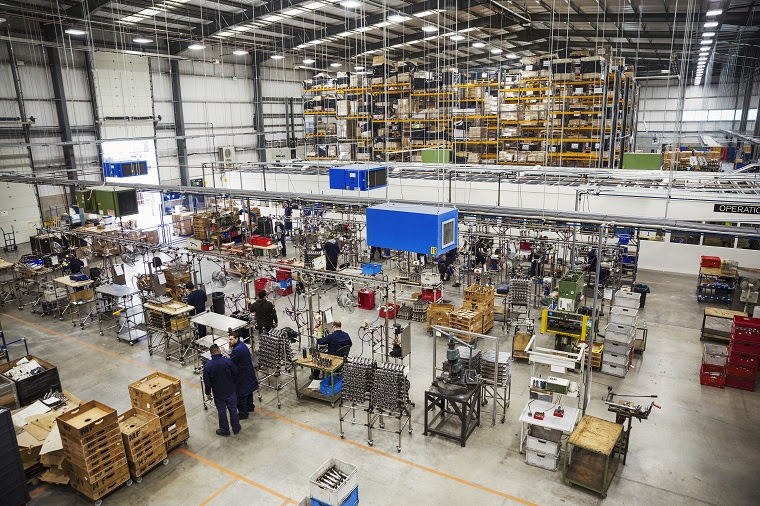

Adopt Time Management Practices in Production, from Raw Material to Final Delivery, to Avoid Delays and Improve Internal Flow on the Factory Floor.
In the realm of Brazilian outsourcing, one of the essential methods to avoid delays is to implement proper management practices on the production line. This process should start from the receipt of raw materials and continue until the delivery of the final product. Thus, well-executed management in production can significantly reduce setbacks and enhance internal efficiency.
The adoption of efficient time management is essential to ensure that all stages of the process are completed as planned. Proper time management prevents setbacks and improves the flow of operations in time management. Maintaining continuous monitoring of each phase of the process is also crucial to ensure that goals are met and that final delivery occurs smoothly.
From the moment of receiving the raw material to the delivery of the final product to the customer, all stages require attentive monitoring and optimization to ensure that deadlines are respected and the product quality remains high.
-
99Food Under Investigation by Brazilian Consumer Protection Agency for Lack of Price Transparency, Faces Potential $2.8 Million Fine

-
France Revamps 530 Social Housing Units with Large Balconies and Glass Facades Without Demolishing Existing Buildings
-
10-Year-Old Max Makes History with Paris Fashion Show, Launches Own Brand, Hires Staff, and Sets World Record as Youngest Runway Designer

-
Bolivian Female Construction Workers Form Association to Combat Discrimination and 38% Pay Gap in the Industry




Internal Management in Brazilian Factories
For Brazilian factories to enhance their internal flow, including efficient time management, it is essential to conduct a detailed analysis of each phase of the factory floor. This requires efficient flow mapping, capable of detecting bottlenecks that may not be evident to those involved in the daily work routine, helping companies to see what needs to be adjusted through a systemic visualization.
Service Engineering and the Production Flow
For example, if the finishing department is frequently delayed, the issue may be in a previous step that is constantly slowing down the process. It is necessary to use service engineering to identify this specific problem, highlight what the relationship with the production flow is, and present a lasting solution. According to Renato, if it were simple to detect what is wrong in production just by the perception of operational managers, these problems would not exist.
Approaches to Process Improvement
Renato emphasizes that everything related to the factory floor is directly linked to processes such as process improvement, inventory management, maintenance actions, and spending consulting. The obstacles in operations become clear when a team of specialists can identify where there is waste of time, significantly transforming the company’s performance in exports. For efficient time management, effective time management practices are crucial. Additionally, proper time management can significantly improve productivity and the efficiency of operations as a whole.
Source:
| HR OURS |







