






 Portuguese
  Spanish


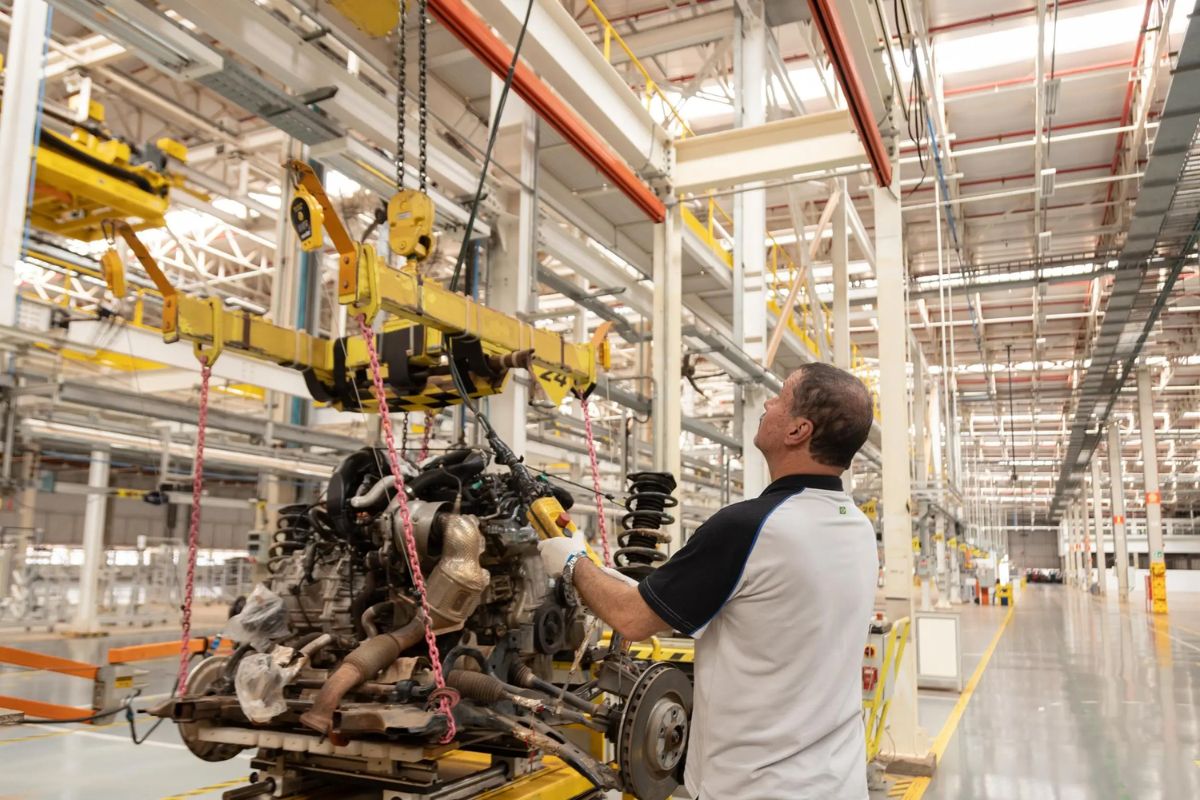


Production Capacity of 30 Thousand Vehicles/Year and Goal to Export to Latin America Mark Company’s Industrial Strategy
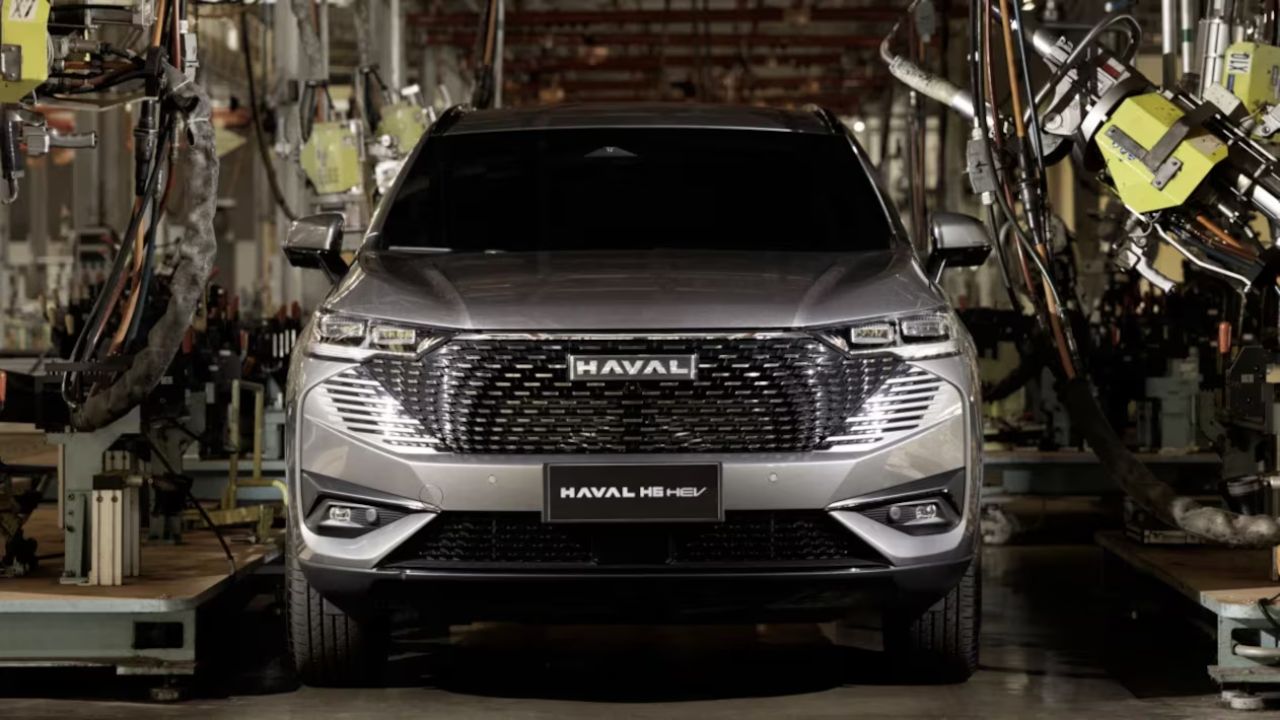
Great Wall Motors (GWM) finally set a date to kick off its production in Brazil. On August 15, the Chinese automaker will officially start the assembly lines at its factory in Iracemápolis, in the interior of São Paulo, placing the country on the brand’s global strategic map. The complex will begin with the manufacture of pre-series units of the Haval H6 and H9 SUVs, along with the anticipated Poer pickup, which will have its official launch in the national market soon.
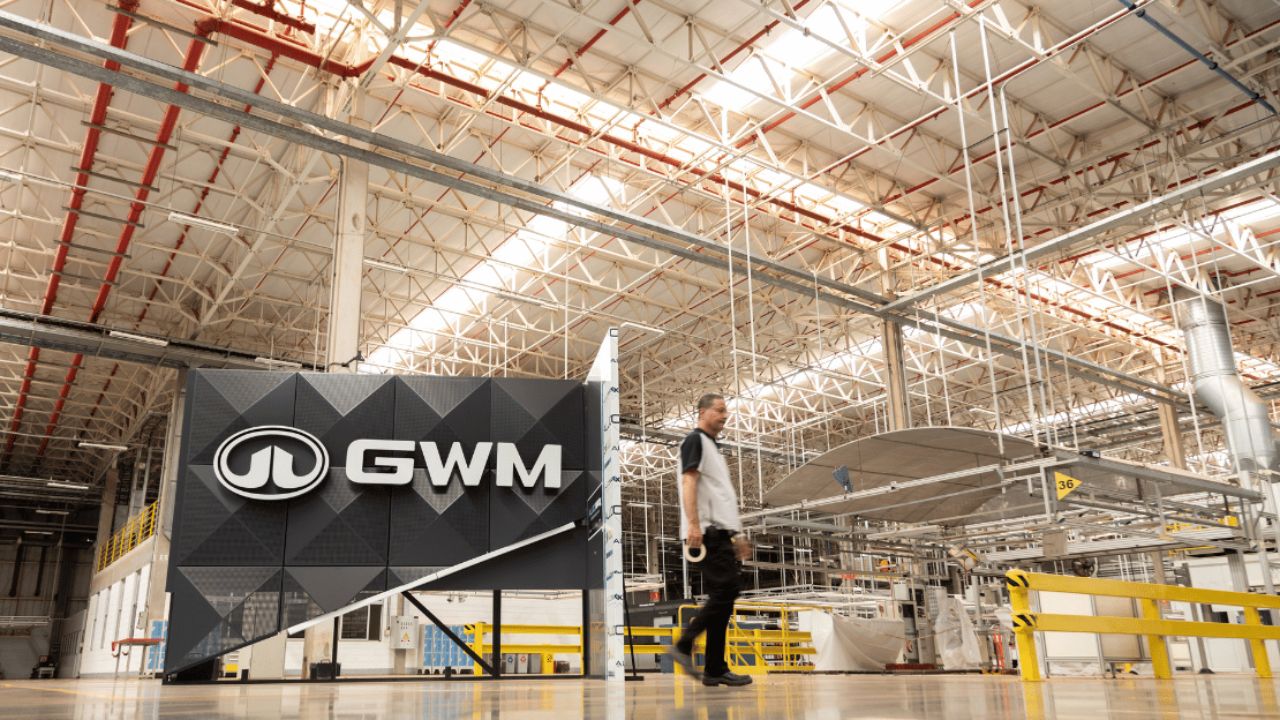
A Modernized Factory to Compete With Giants
The story of this manufacturing unit began in 2021 when GWM acquired the Mercedes-Benz plant. Since then, the site has undergone an extensive and costly modernization process, receiving billion-dollar investments to transform it into one of the most advanced factories for the brand outside of China. The project includes new assembly lines, technological upgrades, and capacity adapted to meet future electrification demands.
Today, even imported, the Haval H6 is already a sales success in the country, with 3,339 units registered just last month and a total of 16 thousand for the year. The H9, which will share a platform and 2.4 turbodiesel engine with the Poer, arrives with the mission to compete with rivals like Toyota SW4 and Chevrolet Trailblazer, betting on robustness and technology. The Poer pickup will face the challenge of winning over a traditionally loyal audience to models like Toyota Hilux, Ford Ranger, and Chevrolet S10, but GWM believes that modern design, a technological package, and a value proposition may surprise Brazilian consumers.
-
France Revamps 530 Social Housing Units with Large Balconies and Glass Facades Without Demolishing Existing Buildings

-
10-Year-Old Max Makes History with Paris Fashion Show, Launches Own Brand, Hires Staff, and Sets World Record as Youngest Runway Designer

-
Bolivian Female Construction Workers Form Association to Combat Discrimination and 38% Pay Gap in the Industry
-
Near Amsterdam, residents buy land and discover they must also build streets, manage drainage, handle waste, and grow food on half their plot.




Expansion Strategy and Ambitious Goals
Initially, all production will be dedicated to the domestic market, but the automaker has already made it clear that exports are in the plans. The strategy is part of a broader movement of GWM’s expansion in Latin America, focusing on sustainability and high localization rates. The goal is to achieve more than 60% of components produced in Brazil for vehicles assembled in Iracemápolis.
The initial capacity of the factory will be 30 thousand vehicles per year, with a forecast to grow to 50 thousand units annually within three years. With this structure, GWM seeks not only to consolidate its presence in Brazil but also to position the country as a strategic hub for supplying electrified and next-generation models for the entire region.





You’re so awesome! I don’t believe I have read a single thing like that before. So great to find someone with some original thoughts on this topic. Really.. thank you for starting this up. This website is something that is needed on the internet, someone with a little originality!