Portuguese
  Spanish



Besides Expanding Its Business to Planes, Airbus Also Plans to Compensate for the Emissions Generated by Transporting Their Components by Ships, Learn More
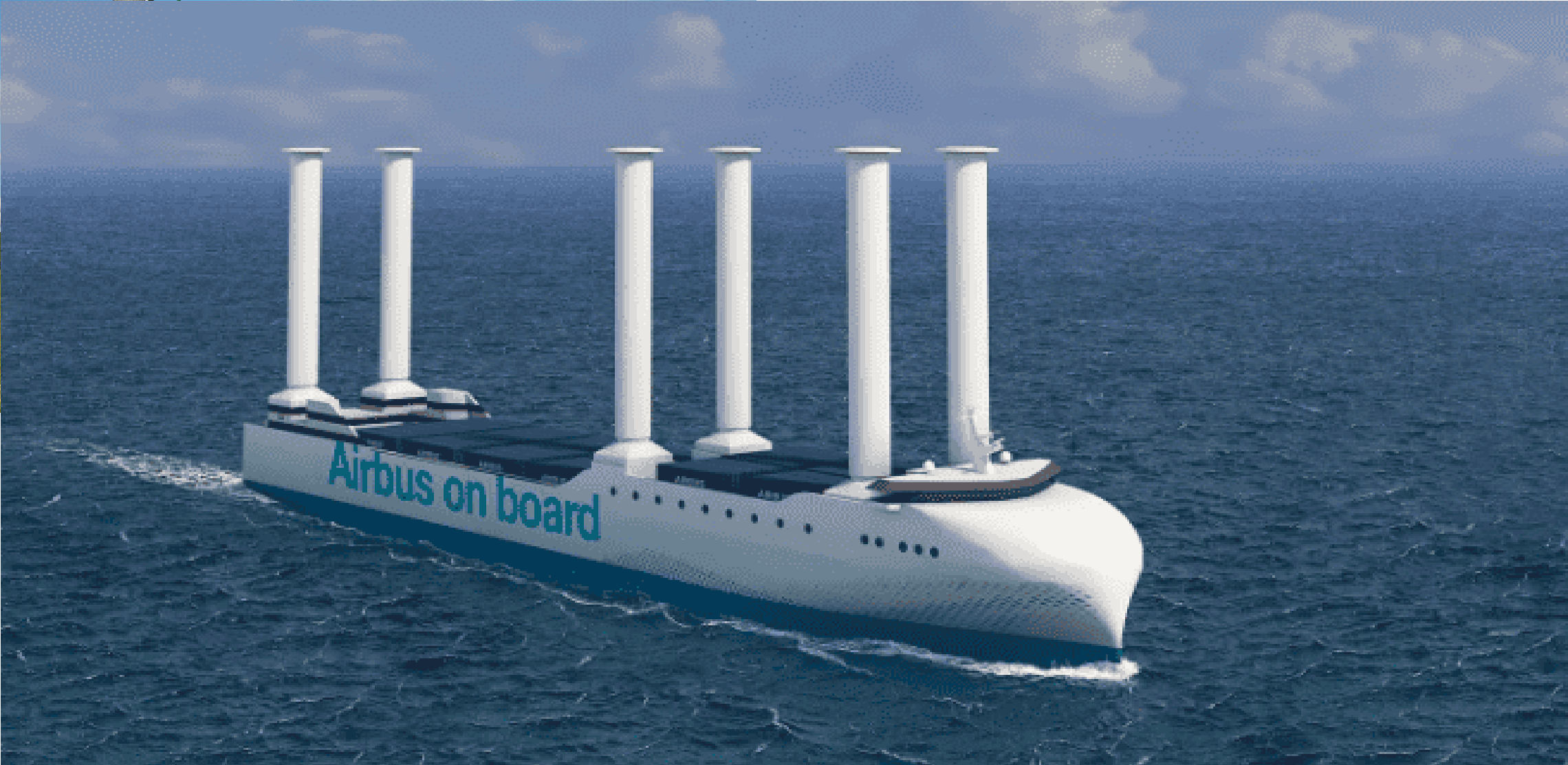
Airbus, one of the leading aircraft manufacturers in the world, is expanding its horizons into the maritime sector. The company is not only looking to enhance its aircraft production but is also committed to offsetting the emissions associated with the transportation of its aircraft components. To achieve this goal, Airbus plans to replace its current fleet of chartered ships with more environmentally friendly models by 2026.
With the increase in its aircraft production over the next few years, Airbus faces the challenge of balancing its expansion with a solid environmental commitment. The production of aircraft models like the A320 is expected to reach the impressive rate of 75 aircraft per month by 2026, which, in turn, would result in a considerably larger carbon footprint.
Investment in Sustainable Ship Fleet
To address these challenges, Airbus has taken proactive measures. The company has reached an agreement with Louis Dreyfus Armateurs, specialized in building sustainable and low-emission vessels. These new vessels will be owned by Louis Dreyfus, which will also be responsible for operating them.
-
Indonesia Plans to Build 5,000 Suspension Bridges by 2026 to Connect Rural Communities to Schools, Health Centers, and Markets

-
U.S. Invests $75 Million in Projects to Extract Rare Earths, Gallium, Germanium, and Aluminum from Coal Waste
-
Eni Acquires 25% Stake in Chilean Lithium Project, Plans to Invest Up to $225 Million in Eco-Friendly Extraction Method
-
French Brand Transforms 6 Million Brazilian PET Bottles into Sustainable Sneakers for Global Fashion Market



This strategic change is not only an innovation in the transportation sector but also represents a strong environmental commitment. Airbus hopes this new fleet of sustainable ships can reduce carbon emissions by nearly half. By 2030, the expectation is that the company’s carbon footprint will decrease from 68,000 to 33,000 tons.
Airbus Initiative in Building Sustainable Ships and Positive Impact
This initiative to build sustainable ships demonstrates that Airbus is willing to go beyond the skies to achieve sustainability. It is a remarkable example of how a leading company in the aircraft industry is committed to reducing its environmental impact not just in the air but also at sea.
Investing in a fleet of sustainable ships not only helps protect the planet but also sets a standard for the global aerospace industry. It is a step in the right direction for a greener and more responsible future.