Portuguese
  Spanish


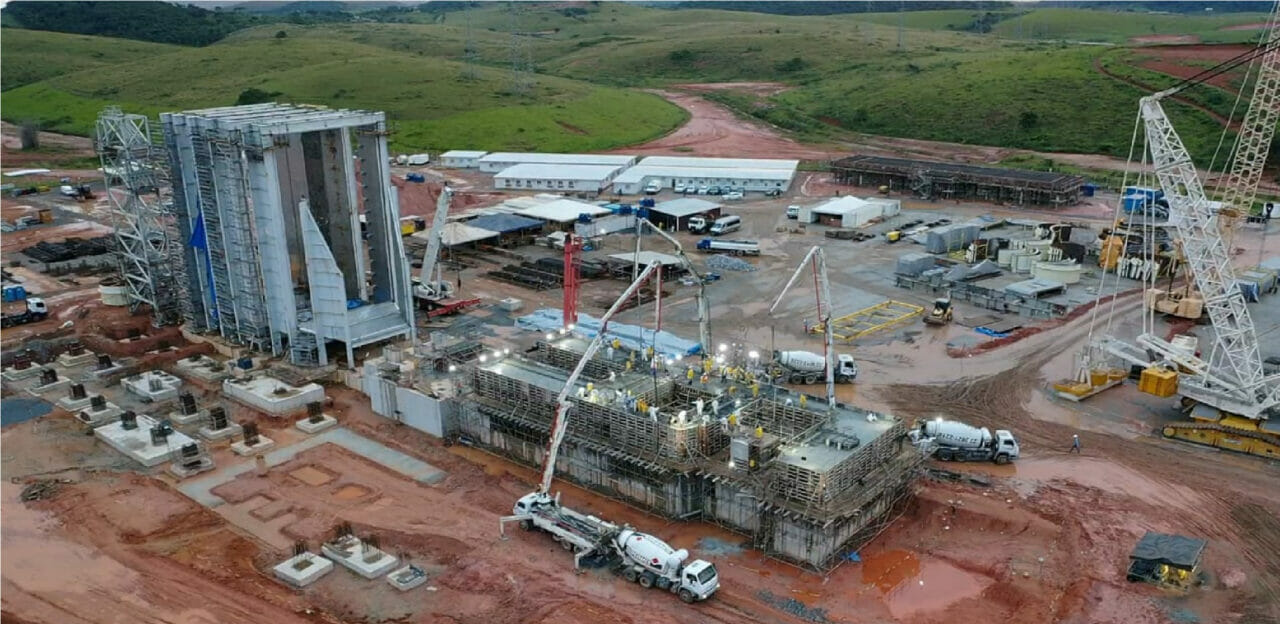

Marlim Azul Thermoelectric Plant in Macaé Is Undergoing Final Tests Before Starting Commercial Operations with Gas Turbine Still in 2023
The Marlim Azul thermoelectric plant, located in the city of Macaé, in the state of Rio de Janeiro, is on the verge of starting its commercial operations still in 2023. This venture, owned by a joint venture formed by Pátria Investimentos, Shell, and Mitsubishi Power, represents a milestone in electricity generation from pre-salt natural gas and involves a colossal initial investment of US$ 500 million. Since the beginning of its construction in 2020, the plant has already contributed to the creation of over 1,500 direct jobs, according to the website Petronotícias.
With the final testing phase underway, the Marlim Azul thermoelectric plant in Macaé aims to start its commercial operations with an impressive installed capacity of 565 MW. This is more than enough to supply power to about 2.5 million households. Additionally, the plant in Macaé is prepared to supply 25 distributors and meet the energy demand of 22 Brazilian states. This expansion of energy capacity is seen as a crucial step to strengthen the country’s electrical infrastructure.
Bruno Chevalier, CEO: A Sustainable Perspective
Bruno Chevalier, CEO of the Marlim Azul thermoelectric plant in Macaé, emphasizes that the operation of this plant marks a significant milestone not only for the companies involved but also for Brazil’s energy landscape. He highlights that, in addition to driving economic development in states and municipalities, the plant is aligned with national efforts to promote an energy transition toward more sustainable sources. The use of pre-salt natural gas is considered an important step in this direction, contributing to more environmentally friendly energy matrices.
-
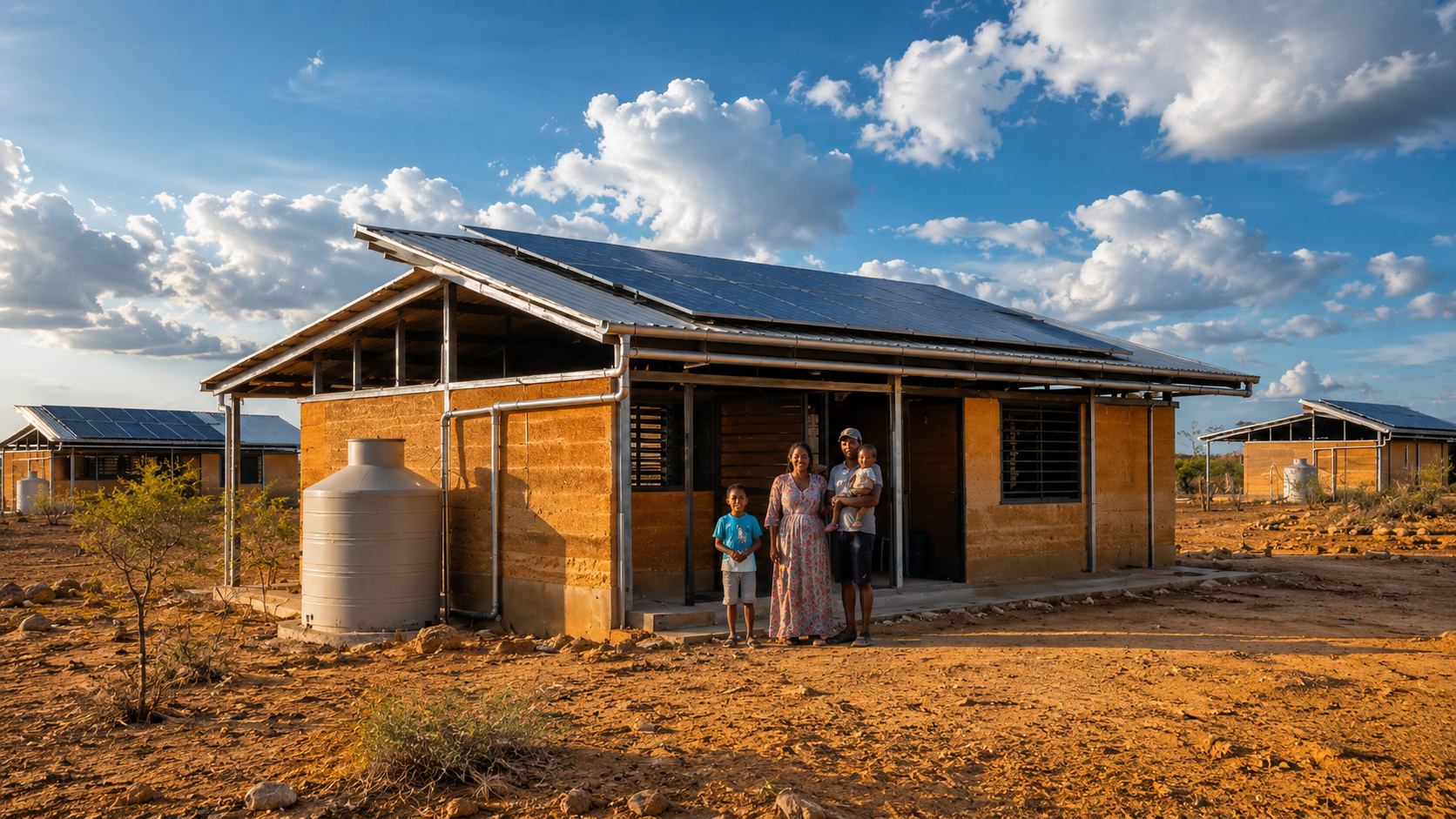
In Colombia’s desert, 30 families receive 80 m² homes with solar panels, waterless toilets, and rainwater collection systems amid water and energy shortages.

-
Engie Secures 10-Year Use of 625 MWh in Batteries to Store Excess Solar and Wind Energy in Spain by 2028
-
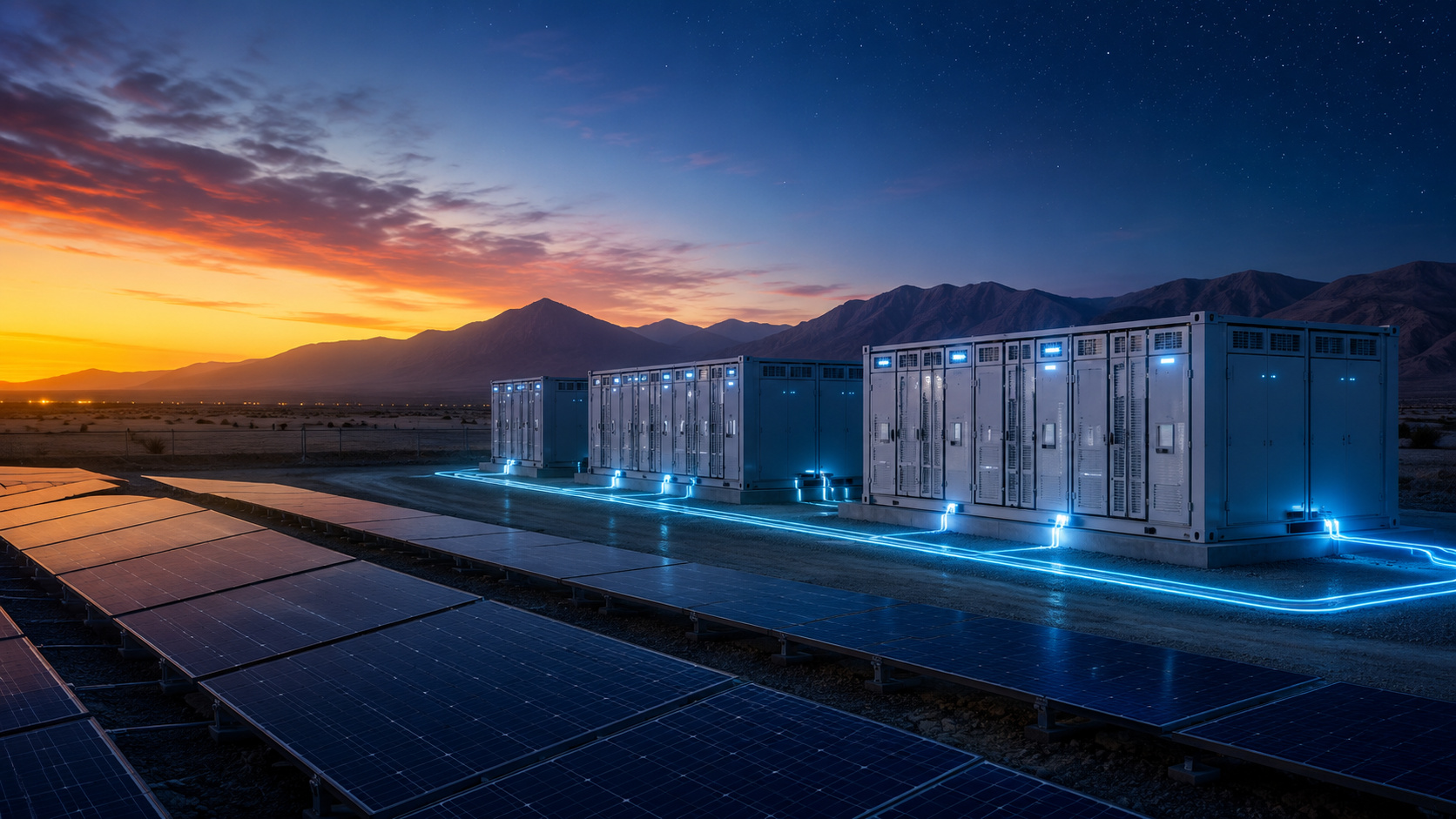
Giant Batteries Take Center Stage in Chile Auction as Company Offers 960 GWh of Solar Energy for Nighttime Use, Aiming to Stabilize Solar Power Supply
-
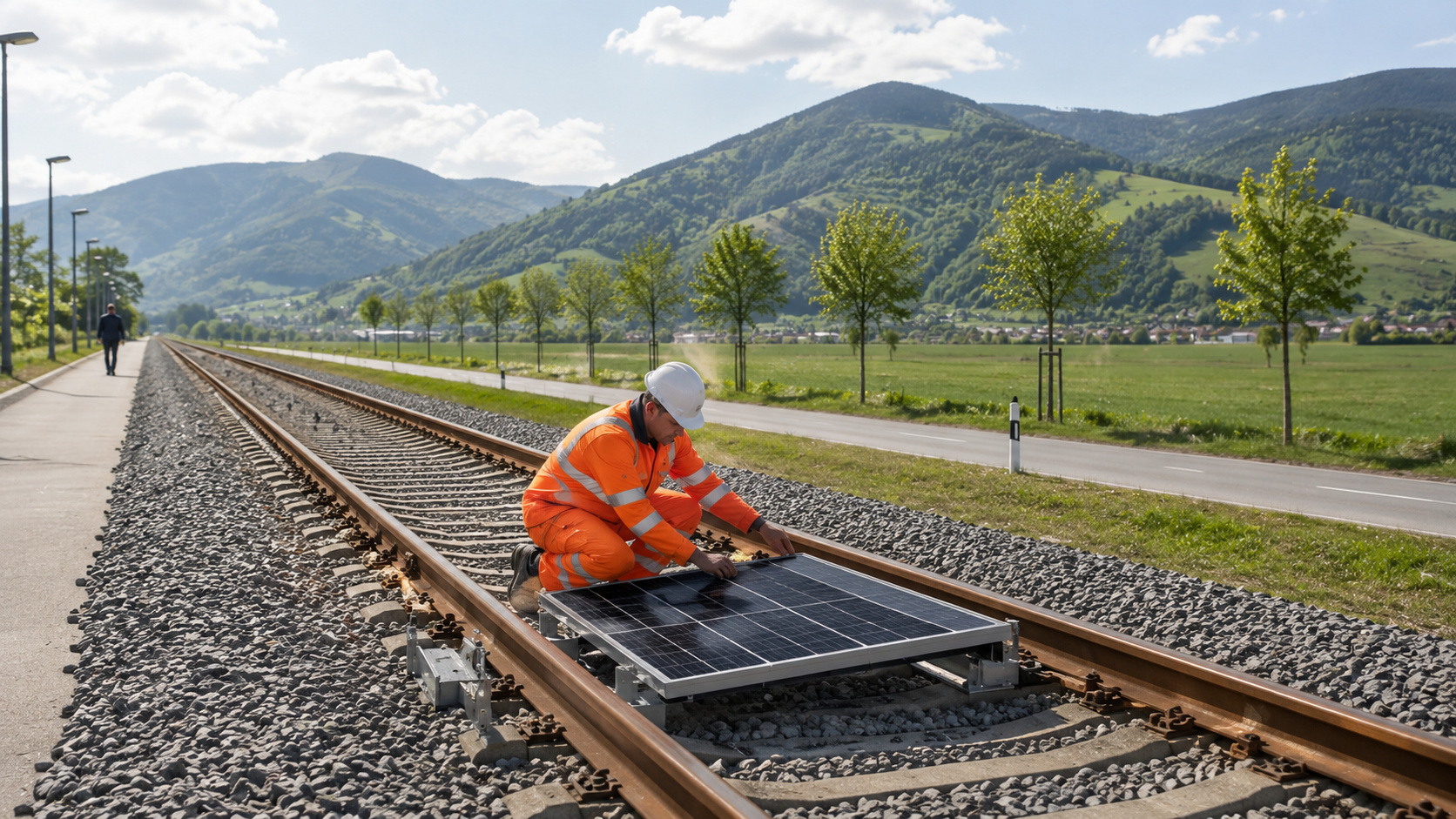
After a Year of Success in Switzerland, Solar Railway Attracts Italy’s Interest for Clean Energy Transformation

The Marlim Azul thermoelectric plant in Macaé has achieved a remarkable feat as the first winning project in energy auctions involving pre-salt natural gas in Brazil. This involved the development of the plant and the commercialization of its energy, both in the captive market through an auction held by the National Electric Energy Agency (ANEEL) in December 2017 and in the free energy contracting environment (ACL) through Shell Energy Brazil. The plant is also notable for being the first in Brazil to adopt the MHPS gas turbine with M501JAC technology, demonstrating innovation in its infrastructure.
Overcoming Intermittency: An Ally for Renewable Generation at the Thermoelectric Plant
The Marlim Azul plant in Macaé has an energy dispatch expectation of over 80%. This high availability rate makes it a valuable asset to complement renewable generation, overcoming challenges related to intermittency. This is made possible through the exploitation of natural gas reserves in the pre-salt, providing a reliable energy source when other renewable sources may be inactive.
The structure of the Marlim Azul thermoelectric plant is truly impressive, including 350,000 m³ of earthworks, 17,000 m³ of structural concrete, 800 tons of steel structures, 900 tons of piping, 8,000 tons of equipment, and an extensive network of cables spanning 320 km. This robust and high-capacity infrastructure not only represents a monumental achievement in the Brazilian energy industry but also signals a commitment to more sustainable energy sources for the country.
The Marlim Azul thermoelectric plant, with its capacity, reach, and focus on sustainability, is a key player in the Brazilian energy landscape and a significant contribution to a greener and more efficient future.