Portuguese
  Spanish


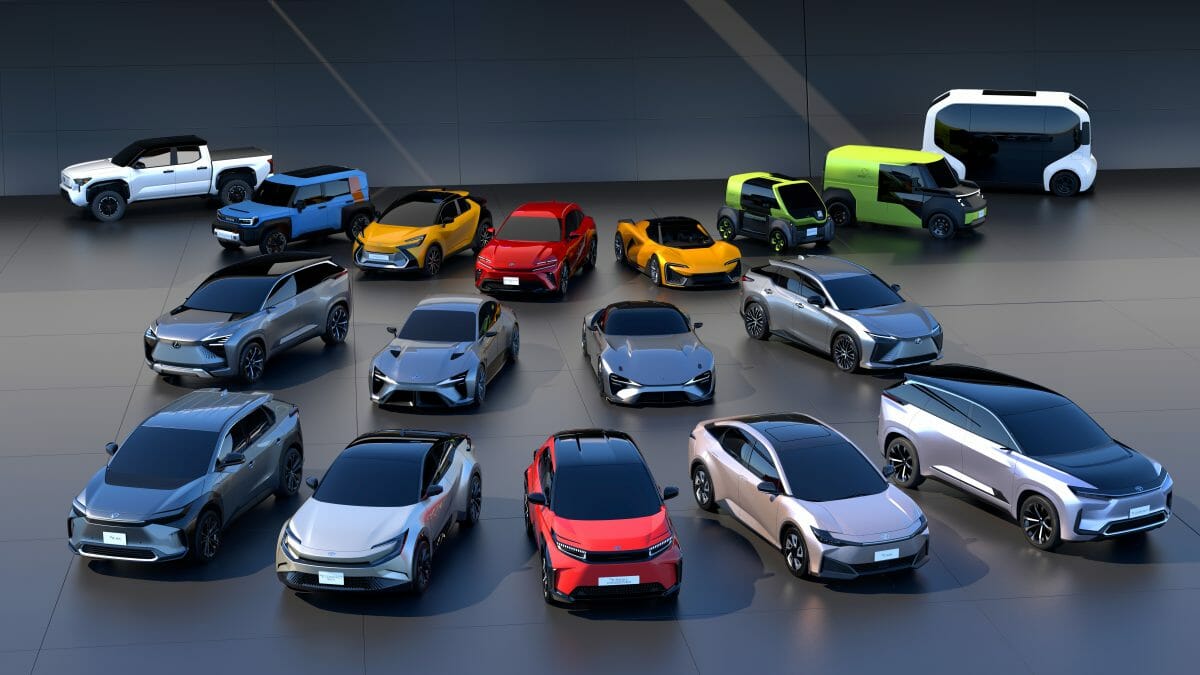

BMW Group, General Motors, Honda, Hyundai, Kia, Mercedes-Benz and Stellantis Announced a Groundbreaking Partnership Aiming to Accelerate the Adoption of Electric Cars in North America.
A historic milestone in the automotive industry was established with the union of major manufacturers to form a joint venture with an ambitious goal: to drive the expansion of electric vehicle charging infrastructure in North America. BMW Group, General Motors, Honda, Hyundai, Kia, Mercedes-Benz and Stellantis have joined forces in this unprecedented endeavor to install a new public “high-power” charging network in cities and highways, promoting the mass adoption of electric vehicles in the region.
Renowned Automakers Join Forces to Boost Electric Vehicle Infrastructure in North America
The decision to join forces to expand electric vehicle charging infrastructure was motivated by the growing demand for sustainable mobility and supportive legislation enacted by the governments of the United States and Canada.
The Biden administration, in particular, has been implementing a series of strategic measures to encourage the transition to electric vehicles.
-
1983 Chevrolet Runs Over 100,000 km Without Gasoline, Powered by Wood Chips, Reaches 125 km/h in Airport Test

-
Workshop Converts Giant Tractor Tire Tricycle into a Three-Wheel Drive Hybrid with 36,000-Watt Electric Motor Capable of Climbing Hills

-
Chery Offers Lifetime Battery Warranty and Car Replacement for Major Failures Under New Chinese Regulations
-
Sales of Brazil’s Cheapest Electric Car Halted Before First Deliveries: E-Motors Suspends Emova Easy Due to Import Tax Increase and Rising Freight Costs




These include federal tax credits for leasing and purchasing electric vehicles, as well as the National Electric Vehicle Infrastructure (NEVI) program, which aims to expand the charging network nationwide.
In a joint statement, the seven automakers emphasized that the charging network will provide a high-quality customer experience.
Highlighting reliability, fast charging capability, digital integration, and the offering of attractive locations with various amenities during charging.
Additionally, the charging stations will be powered exclusively by renewable energy, reinforcing the commitment to environmental sustainability.
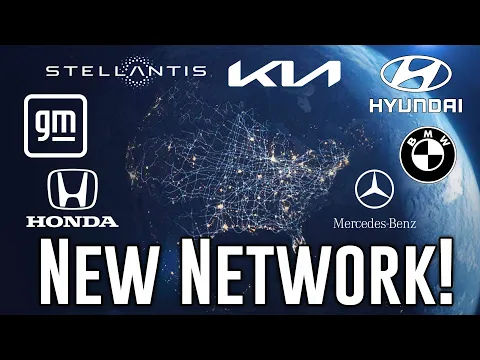

Legislation-Driven Initiative Aims to Accelerate the Adoption of Electric Vehicles in the Region
A notable feature of the project is the accessibility for all electric vehicles from different manufacturers.
The stations will be equipped with connectors compatible with the Combined Charging System (CCS) and North American Charging Standard (NACS), ensuring that all electric vehicle owners, regardless of brand, can use them without issues.
Each station will feature multiple high-power DC chargers and, whenever possible, will be furnished with canopies to ensure charging even in adverse weather conditions.
Additionally, the stations will be located near or within complexes that will offer amenities such as restrooms, food service, and retail operations, making the user experience more convenient and pleasant.
The creation of the joint venture is expected to occur this year, subject to the necessary regulatory approvals.
The deployment schedule for the first charging stations in the network is planned for mid-2024 in the United States, followed by the launch in Canada.
With this innovative initiative, the automakers hope to not only boost electric vehicle sales but also contribute significantly to the reduction of carbon emissions and the promotion of a more sustainable and environmentally responsible future in the automotive industry.
It is important to emphasize that the partnership among these industry giants represents a historic milestone in the collective effort to accelerate the transition to electric vehicles, which will certainly have positive impacts not only in North America but also on the global automotive landscape.