






 Portuguese
  Spanish
 3 min of reading
  0 comments


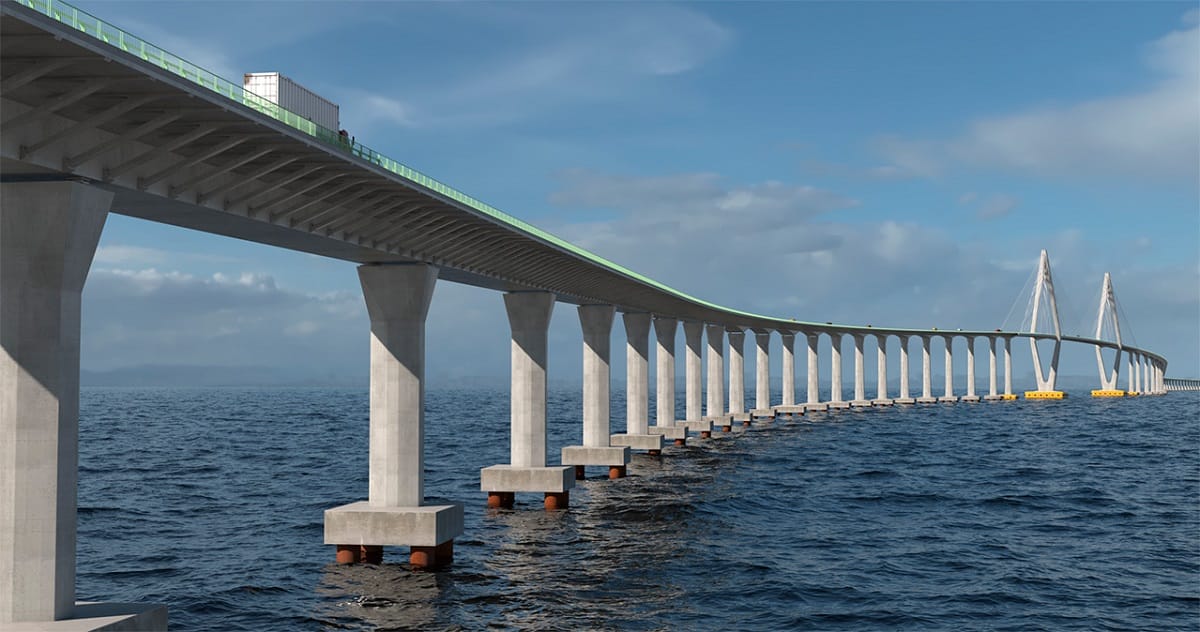
With 12.4 km in Length, the Salvador-Itaparica Bridge Will Be the Largest Bridge in Latin America. The Project, Estimated at R$ 11 Billion, Will Start in 2026 and Promises to Transform Bahia.
Bahia is preparing to receive the construction of the Salvador-Itaparica Bridge, a megaproject in infrastructure that promises to transform mobility in the state and enter history as the largest bridge in Latin America.
The project, budgeted at R$ 11 billion, will be executed by a consortium of Chinese giants and will start in June 2026, following the completion of the executive project.
Billion-Dollar Investment and Impact for Bahia
The undertaking, considered the largest in Bahia’s history, represents not only a physical connection between Salvador and the Island of Itaparica but also a landmark of regional integration.
-
To halt the advance of the Sahara, the 8,000 km Great Green Wall in the Sahel relies on reforestation to combat desertification, but by 2026 it remains far behind the goal of 100 million hectares.

-
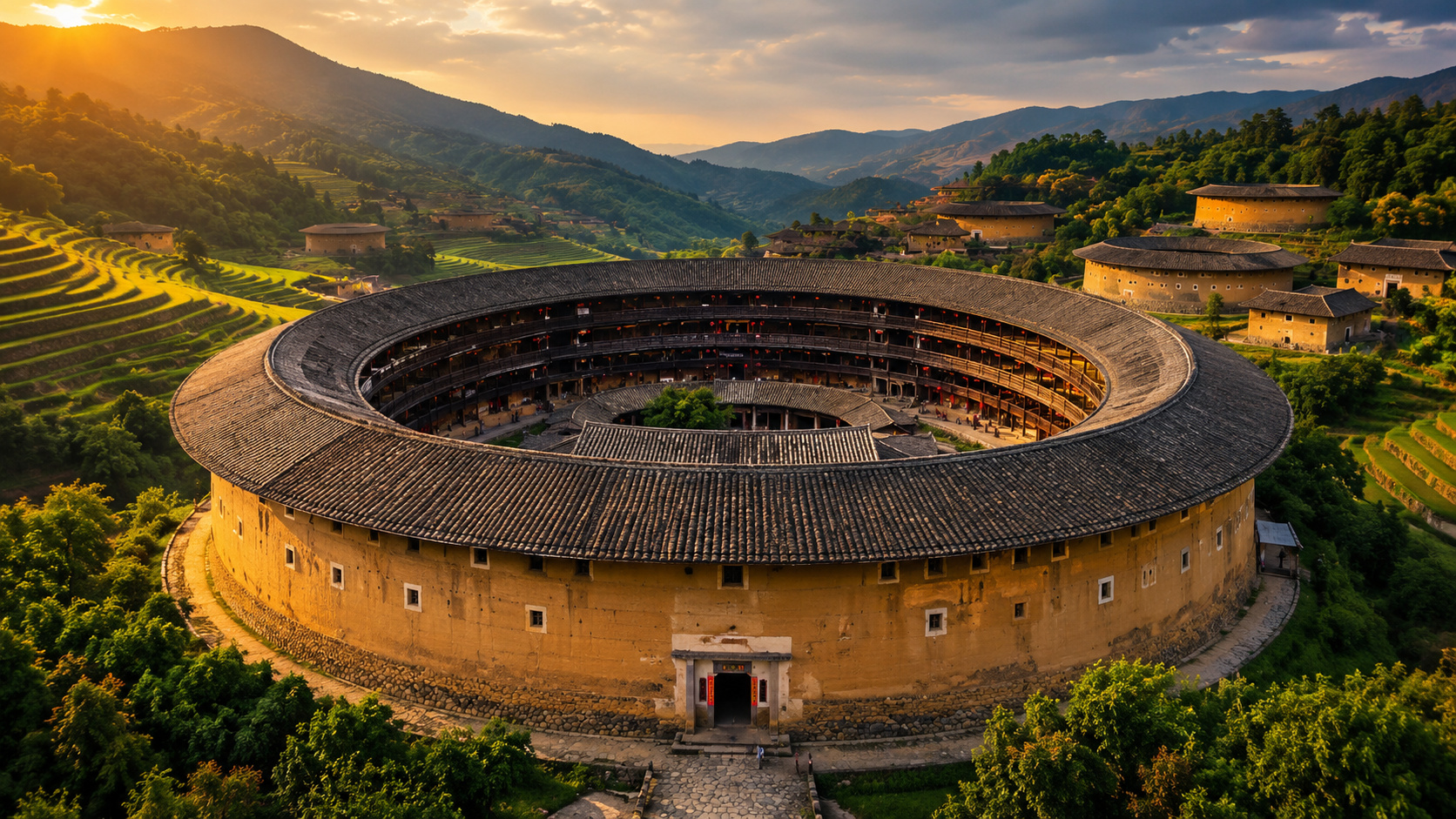
Long before sustainable construction became a trend, China built earthen fortresses with multiple floors, a central courtyard, and the capacity to house up to 800 people living in a community.

-
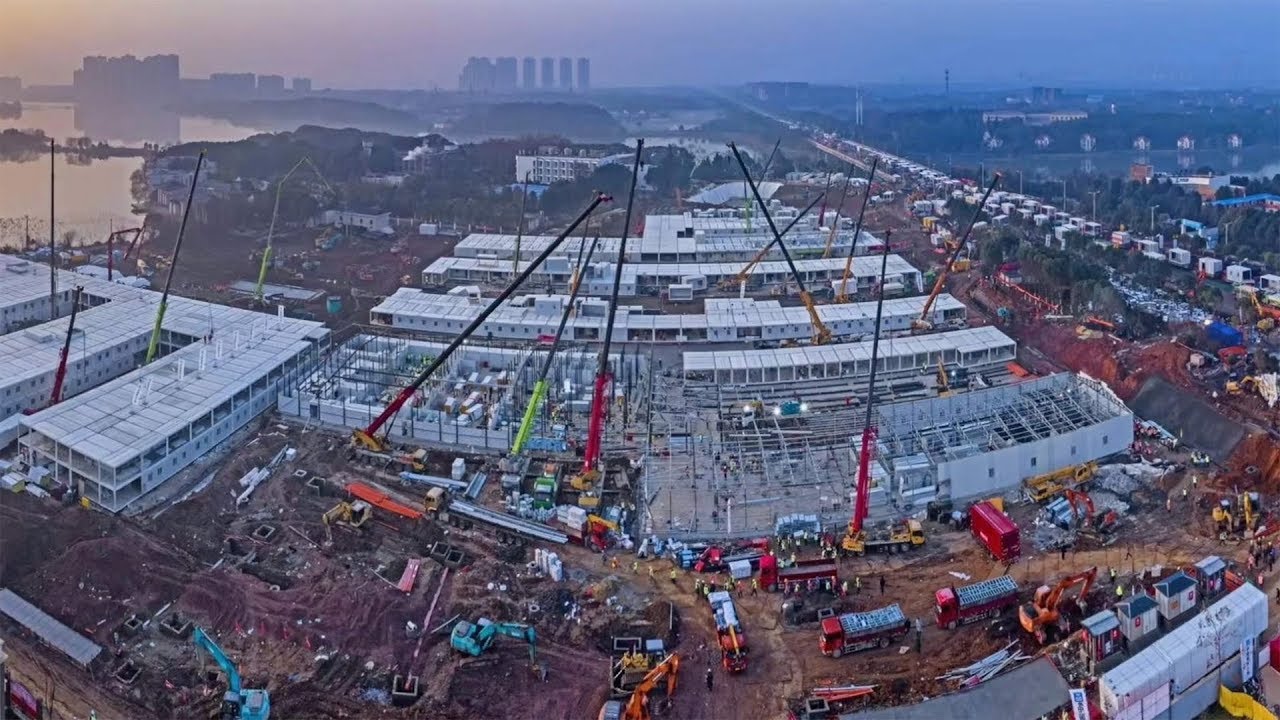
While in the rest of the world building a hospital takes years from design to inauguration, China erected the Huoshenshan Hospital from scratch in just 10 days, with 1,000 beds, foundation, structure, electrical installations, plumbing, and oxygen system ready to receive patients, mobilizing 7,000 workers.

-
Without mortar, grout, or traditional construction: the ClickBrick system assembles brick facades with ceramic pieces held by metal clips, eliminating the need for glue, speeding up installation, and even allowing everything to be dismantled later without turning the construction into expensive permanent debris.


The expectation is that the bridge will reduce travel time, facilitate cargo transport, and stimulate the economic development of the interior of the state.
Moreover, the project is directly linked to logistical and tourism improvements, as the connection over the sea is expected to attract new investments, generate jobs, and expand business opportunities.
The Largest Bridge in Latin America
With 12.4 kilometers in length, the Salvador-Itaparica Bridge will surpass all other constructions already made on the continent. The project is divided into three parts:
- Access Section in Itaparica: 4.6 km
- Access Section in Salvador: 6.9 km
- Suspension Section: 900 meters, with a height of 85 meters, equivalent to a 28-story building, allowing the passage of large vessels such as transatlantic ships and platforms.
The grandeur places the structure in the ranking of the largest in the world, alongside the Vasco da Gama Bridge in Portugal, which measures 12.3 km, and just behind the Incheon Bridge in South Korea, measuring 21.3 km.
Chinese Companies Lead the Construction
The consortium responsible for the project is formed by the companies China Civil Engineering Construction Corporation (CCECC) and China Communications Construction Company (CCCC), internationally recognized for major infrastructure projects.
These companies won the bid in December 2019 and signed a contract with the government of Bahia in 2020.
The start of construction is scheduled for June 2026, shortly after the assembly of a temporary platform planned for 2025.
Comparison with Other Major Projects in Brazil
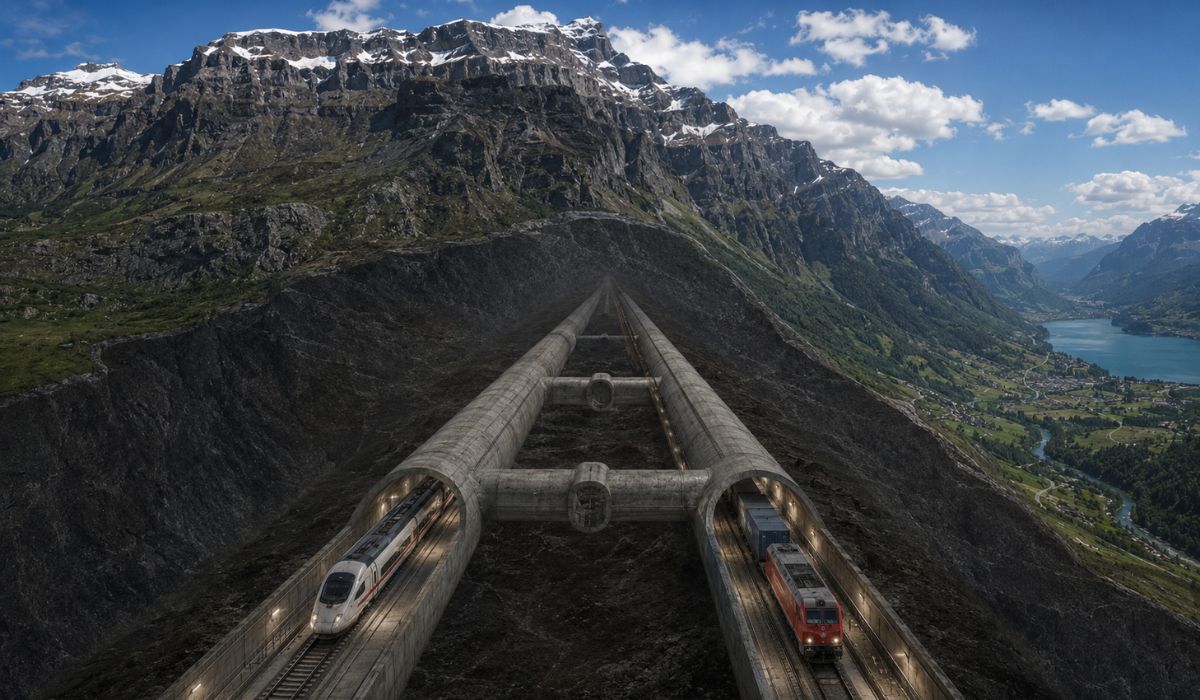
While Bahia prepares for the largest bridge in Latin America, São Paulo advances in another impactful project: the Santos-Guarujá Immersed Tunnel, the first of its kind in Brazil.
This structure promises to drastically reduce travel time between the two municipalities, going from up to 1 hour by road or 18 minutes by ferry to just 5 minutes of crossing.
The comparison shows how Brazil is beginning to invest in mobility solutions inspired by international models, capable of changing the routine of millions of people.
Development and Expectations for the Future
The Salvador-Itaparica Bridge represents more than an engineering project: it is a promise of social and economic transformation.
By bringing the capital closer to the Island of Itaparica and improving integration with the interior of Bahia, the bridge is expected to boost tourism, increase job creation, and facilitate access to essential services.
Thus, the state of Bahia positions itself on the map of major global infrastructure projects, paving the way for new opportunities for regional development.





Be the first to react!