Portuguese
  Spanish


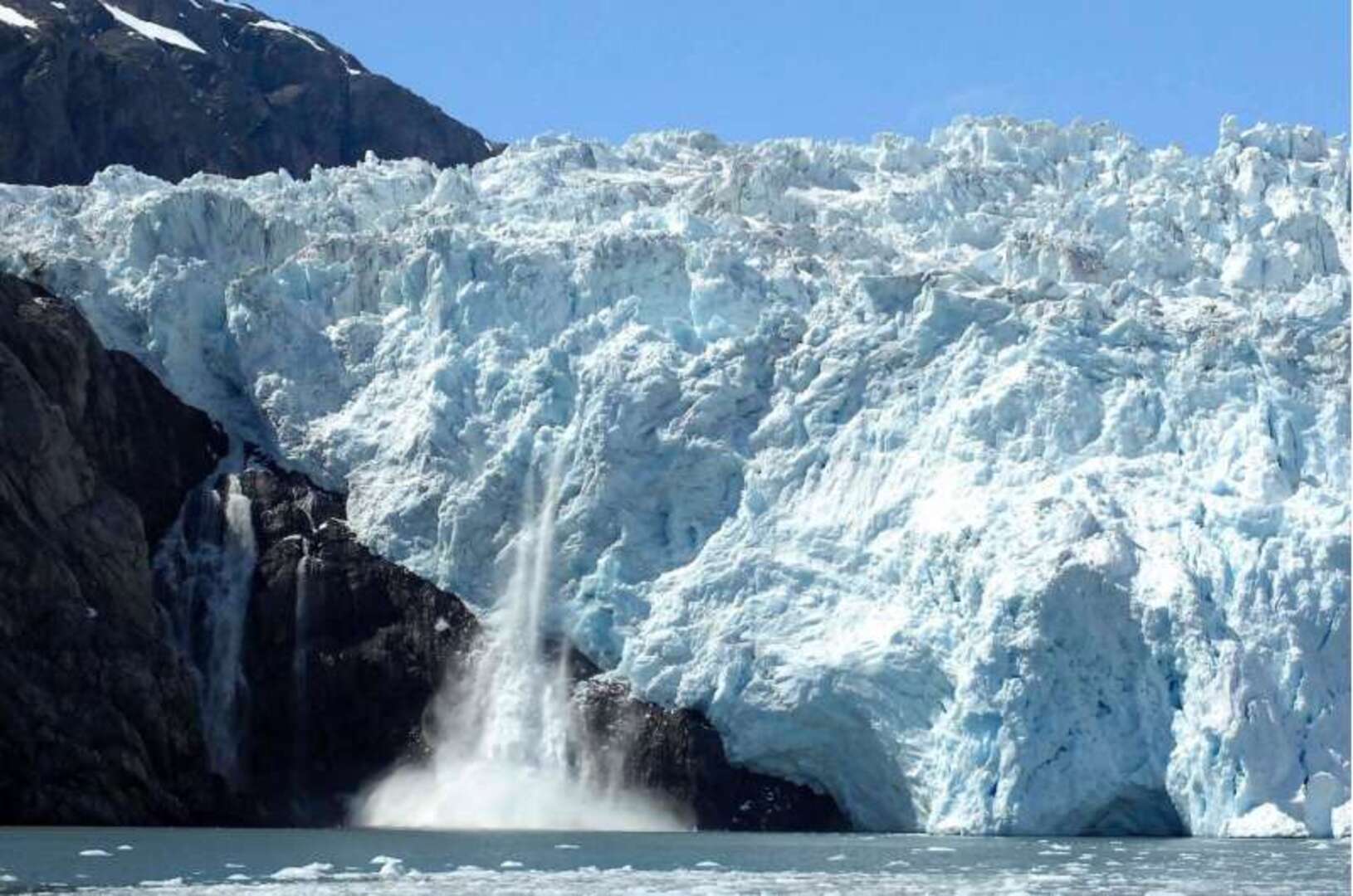

Global warming accelerates melting in mountain chains, causing glaciers to shrink rapidly and threatening water reserves.
Global monitoring of ice masses indicates that glaciers are shrinking rapidly, with scientific forecasts pointing to critical melting levels throughout the year.
This phenomenon of accelerated retreat affects mountain chains across various continents, resulting in a loss of volume that exceeds averages recorded in previous decades. The current scenario puts at risk the hydrological balance of regions that directly depend on seasonal melting for water supply.
Melting rate and historical records
The latest measurements confirm that the rate of mass loss on ice surfaces has reached unprecedented levels in modern history. Experts note that glaciers are shrinking rapidly due to the consistent rise in global temperatures, which prevents the replenishment of ice during winter months.
-
AI Video Generator Automatically Creates Subtitles and Animated Captions

-
São Paulo Unveils Latin America’s Largest Underground Reservoir, Holding 900 Million Liters, in the Greater São Paulo Area

-
Chinese Teen Wins Gold in Germany for Invention Turning Air Moisture into Underground Irrigation in Drought-Stricken Areas

-
Desertification Threatens Brazil’s Caatinga: 85% of Semi-Arid Region Affected, 30 Million at Risk, and Efforts Underway to Restore 10 Million Hectares by 2045




The negative mass balance is observed most severely in high-altitude regions, where ancient ice is disappearing irreversibly.
The year 2026 is identified as a milestone for extreme losses, consolidating a warming trend that destabilizes the surface layers of glaciers. The fragmentation of large blocks and the emergence of new glacial lakes are visible signs of this accelerated geological transformation. These indicators reinforce the urgency of monitoring data collected by satellites and ground-based weather stations installed in the poles and mountain ranges.
Impacts on biodiversity and water resources
The reduction of ice reserves directly impacts local ecosystems, altering river flow and the temperature of waters that irrigate adjacent valleys. As glaciers are shrinking rapidly, the fauna and flora that depend on specific thermal conditions face increasing challenges of adaptation or risk of local extinction. Furthermore, the release of sediments previously trapped in the ice can modify the chemical composition of entire watersheds.
For human communities, the retreat of ice represents a threat to water security and hydroelectric power generation in regions dependent on glacial basins.
The accelerated melting initially increases the risk of sudden floods from glacial lake overflow, followed by prolonged dry periods as the ice stock depletes. The management of natural resources thus becomes more complex in the face of the instability of natural cycles.
Future projections and scientific monitoring
Scientists use advanced computational models to predict the evolution of ice masses, and the results confirm that glaciers are shrinking rapidly on a global scale. The extreme losses projected for 2026 should serve as an indicator for planning resilient infrastructures and environmental damage mitigation strategies.
The focus of current research lies in understanding the points of no return, where glacier recovery becomes physically impossible under current climatic conditions.
International cooperation in data sharing is essential to document the full extent of this decline and its consequences for sea level. Continuous analysis of ice samples reveals information about past climates, which disappears as the layers melt. The conclusion of the 2026 cycle will provide a fundamental database to calibrate environmental conservation expectations for the remainder of the decade.
Click here to access the study.