Portuguese
  Spanish


While the ball rolls at MetLife Stadium, a much older relationship connects the two countries through agribusiness. The partnership between Brazil and Morocco involves sugar, corn, coffee, and, on the other side, the fertilizers that sustain the national crops. The economic scoreboard has its own surprises.
The Brazilian fans set their clocks for 7 PM this Saturday, June 13, 2026, when the team debuts in the World Cup against Morocco at MetLife Stadium in New Jersey. Off the field, however, Brazil and Morocco have long been playing together in a partnership that few people associate with tonight’s opponent. The link is agribusiness, and it moves figures that make the game seem like a detail compared to the annual account.
The numbers come from a survey published by CNN Brazil, in a report by Andressa Simão. In 2025, the trade flow between the two countries totaled US$ 2.8 billion, equivalent to about R$ 14.3 billion at the current exchange rate. The Brazilian exports to the Moroccan market reached US$ 1.4 billion, around R$ 7.1 billion, and imports were at the same level. Even with balanced flows, Brazil closed the year with a deficit of US$ 64.3 million, something like R$ 328 million, and the African country appeared as the 44th main destination for Brazilian sales in the period.
Sugar leads the export agenda
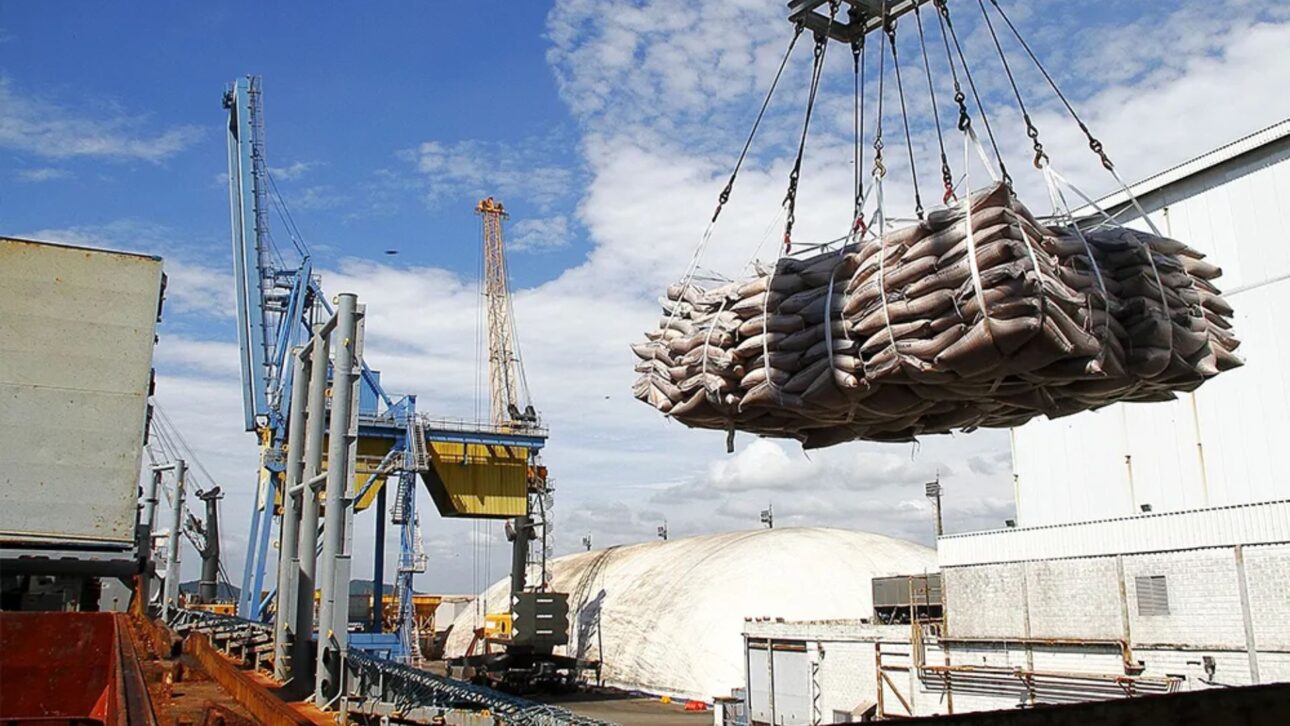
Sugars and molasses accounted for 58.1% of everything sold to the Moroccan market in 2025, according to CNN Brazil.
-
Brazilian Startup Turns Coffee Grounds into Plant-Based Leather, Cutting Water Use by Over 50 Times for High-Impact Sustainable Fashion

-
Eco Invest Auction Aims to Unlock $10 Billion in Investments, Focusing on Green Fertilizers, Critical Minerals, Batteries, and AI for Clean Industry in Brazil

-
Half of Brazilians Prefer Lower Taxes with Private Health and Education, While 44% Opt for Higher Taxes for State-Provided Services, Datafolha Survey Reveals

-
Brazil’s Most Expensive Toll Rises to R$ 40.60 on Route from São Paulo to the Coast, Nearly Matching Bus Fare to Santos




Almost six out of every ten dollars that the African country spent with Brazil ended up in sugar and its derivatives.
The detail gives the dimension of how the relationship relies on a few key items.
The rest of the export agenda also has a rural face.
Corn, live animals, coffee, fruits, and spices complete the list of main agricultural products that go from Brazil to Morocco.
It is a basket concentrated on agribusiness, a sector that carries the commercial relationship and dictates the pace of sales. Little diversification, much dependence on commodities.
On the other side, the fertilizer that supplies the crops
The balance is two-way, and the Moroccan counterpart is strategic for those who plant in Brazil.
Chemical fertilizers represented 84.8% of all Brazilian imports from Morocco in 2025, according to a survey by CNN Brazil.
More than eight out of every ten dollars that Brazil paid to the African country were for inputs that maintain the productivity of national crops.
The data reveals an exchange where each side supplies what the other lacks.
This mechanism helps explain why the relationship endures even with the deficit.
Brazil sells food and buys the fertilizer that enables the production of that same food.
Morocco, with a population of about 38 million inhabitants, has been modernizing agriculture and increasing the demand for food and inputs, which strengthens ties with the Brazilian supplier.
The dependence, in this case, is mutual.
2026 began with the balance leaning more towards Morocco
The first months of the year already show the partnership expanding, but with a greater imbalance.
Between January and May 2026, Brazilian exports to Morocco totaled US$ 328.3 million, about R$ 1.67 billion, an increase of 9.6% compared to the same period of the previous year.
Imports, however, soared to US$ 881.7 million, close to R$ 4.5 billion, an increase of 34.4% that pushed the balance into the red.
The trade flow reached US$ 1.2 billion in the period, around R$ 6.1 billion.
The result left Brazil with a negative balance of US$ 553.4 million in the first five months, something close to R$ 2.8 billion.
Sugars and molasses continued to lead the export agenda, while fertilizers remained at the forefront among products imported from the African country, according to CNN Brazil.
The pattern of 2025, therefore, remained, only with Brazilian purchases growing at a much faster pace than sales.
Mato Grosso is a protagonist in the corn that goes to North Africa
There is a state that concentrates a good part of this relationship in the case of corn.
Data from IMEA, the Mato Grosso Institute of Agricultural Economics, indicates that Morocco imported 1.81 million tons of corn from Brazil in 2025.
Of this total, 1.37 million tons came from Mato Grosso alone, equivalent to 75% of everything the country shipped to the Moroccan market. This share shows how much the Mato Grosso savanna weighs on this route.
Sales of the cereal yielded about US$ 280 million to the state’s producers over the past year, something like R$ 1.43 billion.
By 2026, until the beginning of May, Mato Grosso had already exported 153 thousand tons of corn to Morocco, generating approximately US$ 33 million, close to R$ 168 million.
The pace of 2026 is still partial, but confirms the state as a central piece in Moroccan supply.
Meat and sugar complete the exchange picture
Beef protein also counts between the two countries, even if in smaller volume.
In 2025, Mato Grosso exported 668 tons of beef to Morocco, with revenue of about US$ 3 million, around R$ 15 million.
In the national total, Brazil shipped 6,658 tons of the protein to the African country last year, with revenue exceeding US$ 23 million, something like R$ 117 million. The meat complements an agenda that has sugar as its flagship.
And sugar, indeed, remains one of the main Brazilian products in the Moroccan destination.
In 2025, the African country imported 1.48 million tons of the product, in deals valued at approximately US$ 591 million, about R$ 3 billion, according to data gathered by CNN Brazil.
It is the item that supports most sales and gives Brazil the role of a major supplier on the Moroccan table.
Tonight’s game will last ninety minutes and make headlines, but the relationship between Brazil and Morocco in the economic field is measured in harvests and containers year after year.
The agribusiness weaves a partnership of US$ 2.8 billion in which Brazilian sugar meets Moroccan fertilizer, in an arrangement that benefits both sides even when the balance leans towards one of them.
In 2026, with imports on the rise, this balance continues in motion.
And you, do you cheer for the national team and also follow agribusiness? Did you imagine that Brazil’s opponent in the World Cup opener was such a relevant commercial partner for the Brazilian field? Tell us in the comments what you think of these numbers and if you work in the sector that lives off these exports. We want to read your view on the partnership between the two countries.