Portuguese
  Spanish


The last World Cup title of the Brazilian National Team, in 2002, happened in a technological scenario very different from the current one, marked by slow internet, robust computers, and simple cell phones.
The Brazilian National Team begins a new journey towards the sixth World Cup title in 2026 in a completely connected world. Today, fans follow games through social networks, real-time alerts, and high-definition broadcasts.
The contrast with the last world title is enormous. In 2002, when Brazil won the fifth championship, watching the World Cup was a much less digital experience.
At that time, the internet was still advancing slowly in the country. Navigation depended on the dial-up connection, computers used tube monitors, and cell phones had very limited functions.
-
World Cup Ball Chip Uses Technology to Detect Invisible Touches, Confirms Offside, Secures Portugal’s Victory Over Croatia

-
36-Meter Hydrogen-Powered Superyacht Arrives in Brazil to Debut German Engines and Showcase Future of Clean Navigation

-
Indian Students from Jaipur Win Top Prize at World’s Largest Science Fair with EcoFog, an Affordable Mesh to Harvest Fog Water Without Energy

-
Italy Sinks Massive 11-Story Concrete Structures in the Ligurian Sea to Create a 6.2 km Barrier, Clearing the Way for 400-Meter Ships in Genoa
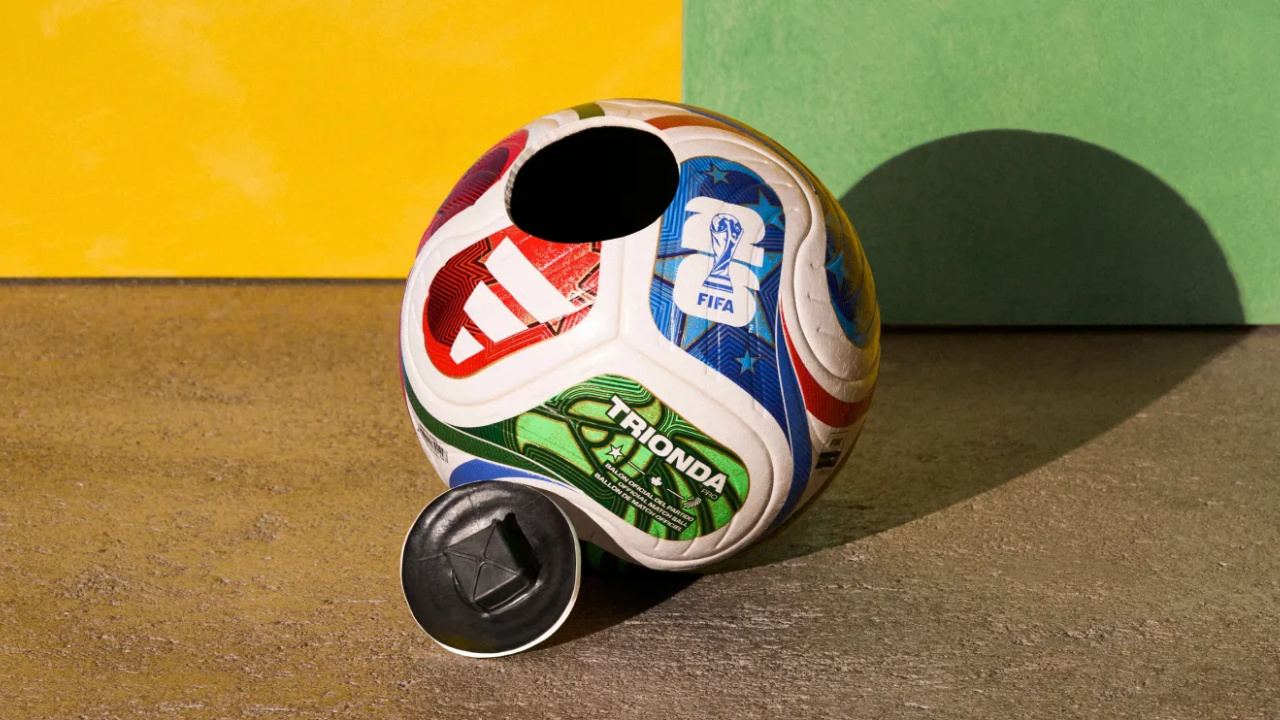



According to data from the consultancy Ookla, released in May 2026, the average broadband speed in Brazil reached 221 Mbps. In 2002, dial-up internet usually operated around 56 kbps.
Dial-up internet marked the digital experience during the 2002 World Cup
Dial-up internet used the telephone line to connect users to the network. Access was slow, unstable, and limited by telephone costs.
Charges were made by telephone pulses. For this reason, many people preferred to browse at night or on weekends, when usage could be cheaper.
The online experience required patience. Opening pages, exchanging messages, and downloading simple files could take several minutes.
This scenario shows the gap between the technology available in the year of the fifth title and the resources currently used by fans.
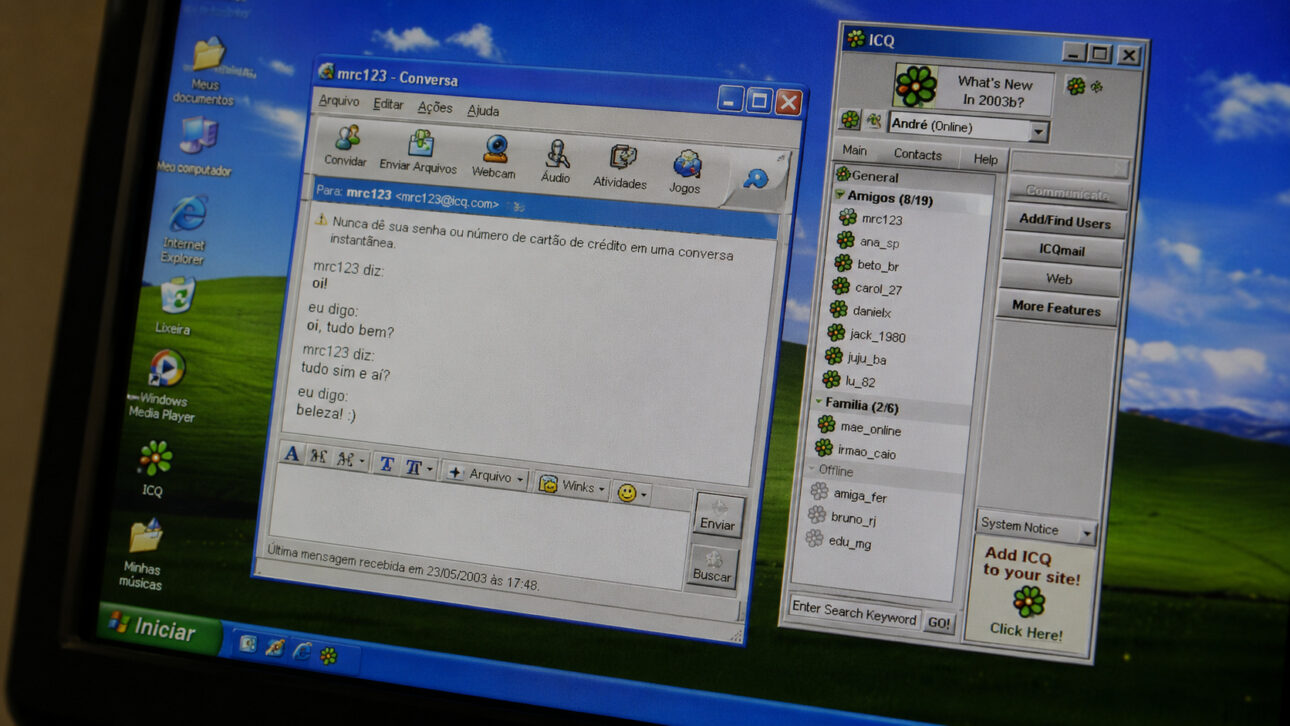
ICQ, mIRC, and online chats occupied the space of social networks
Platforms like Instagram, WhatsApp, and X did not yet exist in 2002. Services that would later become successful in Brazil, such as Orkut and Skype, were also not yet available.
Users who wanted to chat online turned to ICQ, mIRC, online chat rooms, and email chains.
ICQ managed to gather 100 million users in 2001. Each profile had an identification number used to add friends and start conversations.
Over the years, the service lost ground to MSN Messenger, which offered more features and appeared on many Windows computers.
Windows XP symbolized the modern computer of that generation
The 2002 World Cup was the first held after the launch of Windows XP, introduced by Microsoft in 2001.
The system became known for its wallpaper with green grass and blue sky. The image became one of the most memorable visual symbols of that generation.
Computers with 512 MB of RAM and 30 GB of storage were considered advanced at the time. Today, these configurations are surpassed even by basic smartphones.
According to the analysis company Net Applications, Windows XP remained the most used operating system in the world until 2012, when it was surpassed by Windows 7.
Currently, Windows 11 leads among Microsoft’s systems. However, the most used platform globally is Android, present in phones, tablets, smartwatches, and smart TVs.

Digital music still relied on CDs, discman, and sharing programs
Listening to music in 2002 was very different from the current experience. The iTunes Store from Apple had not yet been launched.
Many users copied tracks directly from CDs or turned to services like Kazaa to obtain music files.
Those who wanted to listen to music outside the home usually used a discman. The device was still a popular alternative before the consolidation of digital players.
The iPod already existed before the fifth championship, but it was expensive and not very popular in Brazil at that time.
Nokia 3310 was the brick phone that dominated before smartphones
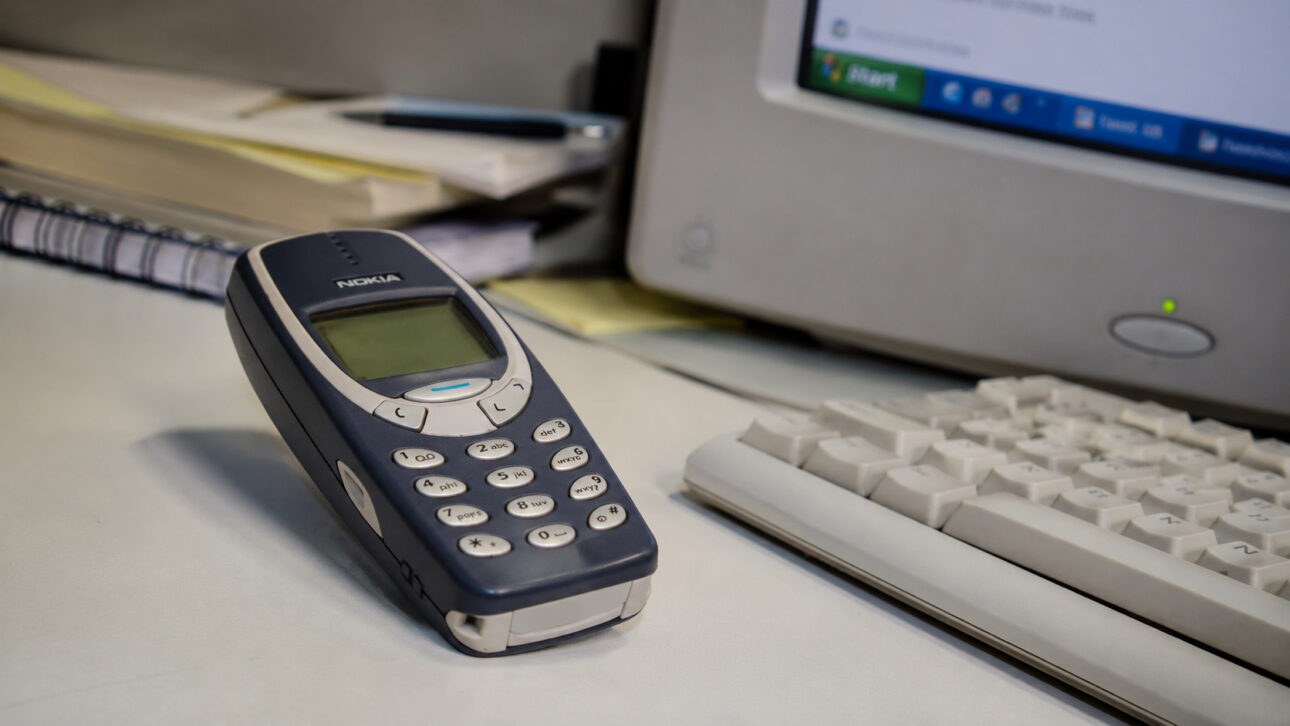
Mobile telephony in 2002 had a different pace. While today devices like iPhone 17 and Galaxy S26 represent the advancement of cell phones, the great symbol of that time was the Nokia 3310.
The model became known as the brick phone because of its resistance to falls. The fame crossed generations and turned the device into an icon of technological culture.
The Nokia 3310 had a 1.5-inch monochrome screen, numeric keypad, and support for four games.
Among the available games was the classic Snake, known in Brazil as the snake game.
The storage was only 1 KB. In comparison, current phones with 256 GB offer capacity hundreds of millions of times greater.
The commercial success was significant. The Nokia 3310 sold 126 million units and made it to the list of the most popular phones in history.
In 2017, HMD Global relaunched the device, betting precisely on the emotional memory created by the model.
Technology of 2002 reveals the extent of transformation until the 2026 World Cup
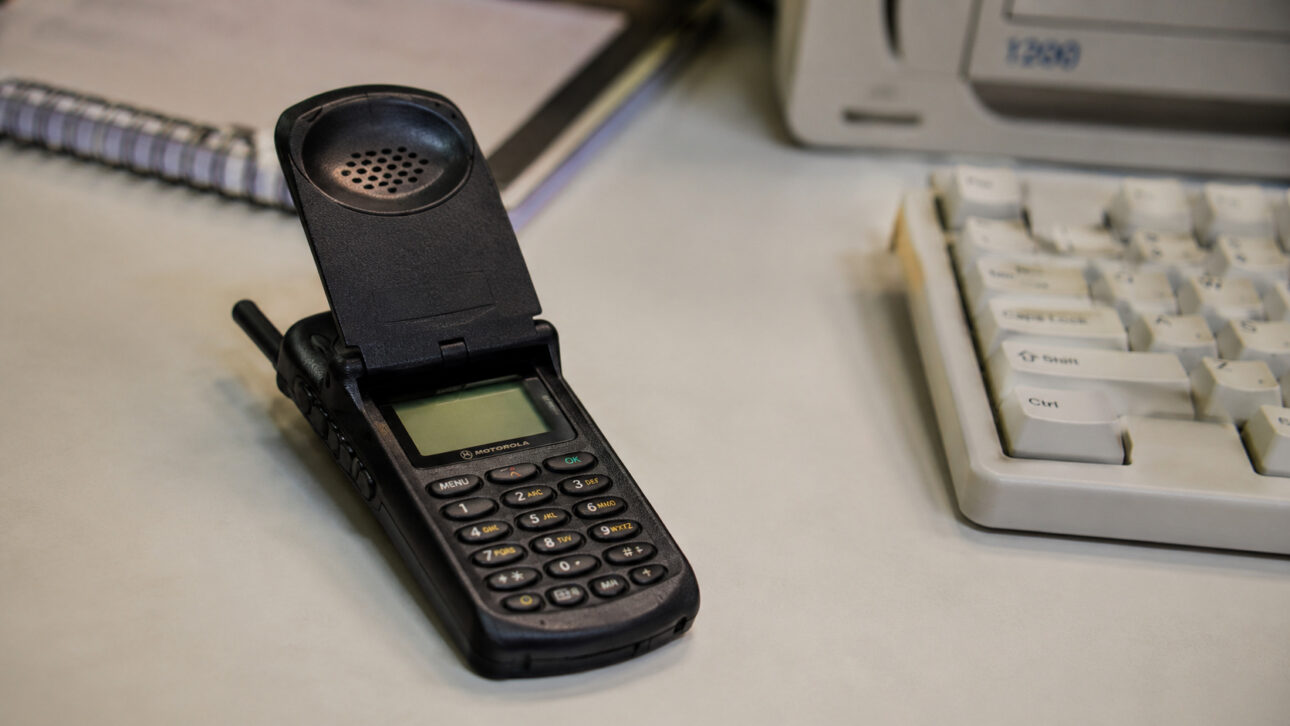
The famous Motorola V3 did not yet exist when Brazil won the fifth title. The model would only be launched in 2004.
At that time, the most well-known foldable phone was the Motorola StarTAC, originally introduced in 1996 and updated in several generations.
The comparison between 2002 and 2026 highlights a profound change in how a World Cup is watched, commented on, and experienced.
On one side, there was dial-up internet, ICQ, Windows XP, discman, and brick cell phones. On the other, there are smartphones, social networks, fast broadband, and high-definition broadcasts.
Technology has completely changed since Brazil’s last world title. The question now is: which device or program from that time still evokes the most nostalgia for you?