Portuguese
  Spanish


Federal charge on orders up to US$ 50 was revoked in May 2026, but states still maintain taxation on low-value imports.
The so-called blouse tax collected R$ 2.13 billion for the federal government in 2026 before being revoked in May, according to data from the Federal Revenue Secretariat.
The amount was collected between January and mid-May, mainly on low-value international orders.
The collection exceeded the result recorded in the first five months of 2025. During that period, with May fully included in the calculation, the government had collected R$ 1.84 billion.
-
Eco Invest Auction Aims to Unlock $10 Billion in Investments, Focusing on Green Fertilizers, Critical Minerals, Batteries, and AI for Clean Industry in Brazil

-
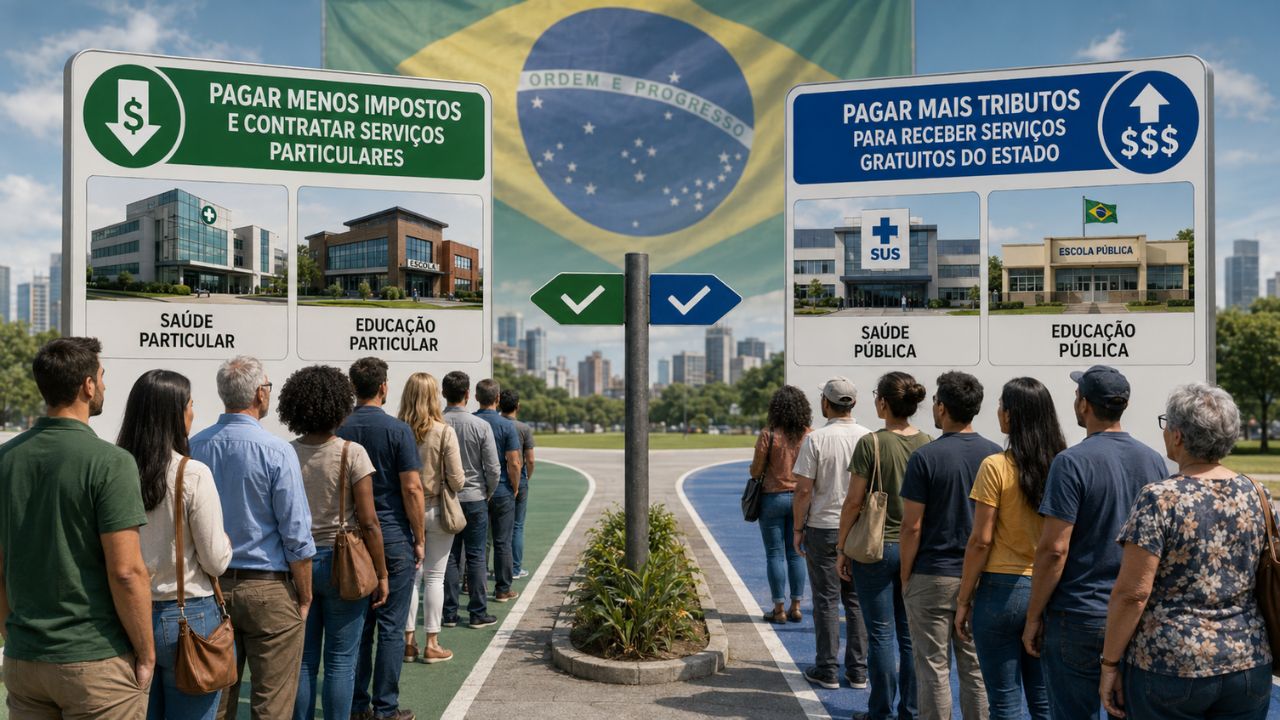
Half of Brazilians Prefer Lower Taxes with Private Health and Education, While 44% Opt for Higher Taxes for State-Provided Services, Datafolha Survey Reveals

-
Brazil’s Most Expensive Toll Rises to R$ 40.60 on Route from São Paulo to the Coast, Nearly Matching Bus Fare to Santos

-
As Brazil Expands Social Welfare, Survey Reveals 40% Blame Poverty on Laziness, While 58% Cite Lack of Opportunities




The increase was 15.4% compared to the previous year.
Federal charge ended, but state tax continues
The revocation ended the federal tax on international purchases up to US$ 50.
The ICMS on imports, however, continues to be charged by the states. The rates vary from 17% to 20%, depending on each state.
In practice, consumers may still pay taxes on purchases made on platforms like Shein, Shopee, and AliExpress.
How the blouse tax started
The charge came into effect in August 2024, after approval by the National Congress.
At that time, international purchases up to US$ 50 began to pay 20% import tax.
Before the change, companies registered in the Remittance Compliance Program had federal exemption in this value range.
The taxation emerged as a response to the growth of digital purchases during the pandemic.
Sectors of the national industry also demanded a reduction in the tax difference between Brazilian products and imported items sold on online platforms.
Consumers criticized the price increase
The measure sparked strong debate from the beginning.
Many consumers disapproved of the charge for making popular products more expensive and reducing the attractiveness of international platforms.
Critics also pointed out the difference in treatment regarding tourists who purchase products during trips abroad.
Experts consulted by g1 stated that the end of the federal tax had an immediate impact on prices.
The change directly affected international purchases made by Brazilian consumers.

Industry and retail defended maintaining the tax
Representatives of the industry, commerce, and retail defended the continuation of the charge.
The vice-president Geraldo Alckmin, then Minister of Development, also supported the tax as a way to protect the national industry from low-value products.
In a manifesto, entities from the productive sector stated that the measure reduced the tax disparity between foreign platforms and Brazilian companies.
The document also declared that consumers were benefited.
According to the manifesto, the textiles, clothing, and footwear sectors recorded low inflation within the IPCA since July 1994, the beginning of the Real Plan.
Revocation did not completely end the debate
The revocation of the little blouse tax ended the federal charge on imports of up to US$ 50.
The debate on international purchases, however, continues.
States still charge ICMS, maintaining part of the tax cost on low-value imported products.
The change relieved the federal burden but did not eliminate all taxes paid by Brazilian consumers on international purchases.
Do you think the end of the little blouse tax really made international purchases cheaper, even with the charge of the state ICMS?