Portuguese
  Spanish


Provisional Measure Releases Billion-Dollar Credit to Renegotiate Rural Debts, with Extended Terms, Below-Market Interest Rates, and Specific Eligibility Requirements. Up to 100,000 Producers May Benefit, but Access Depends on Technical Verification.
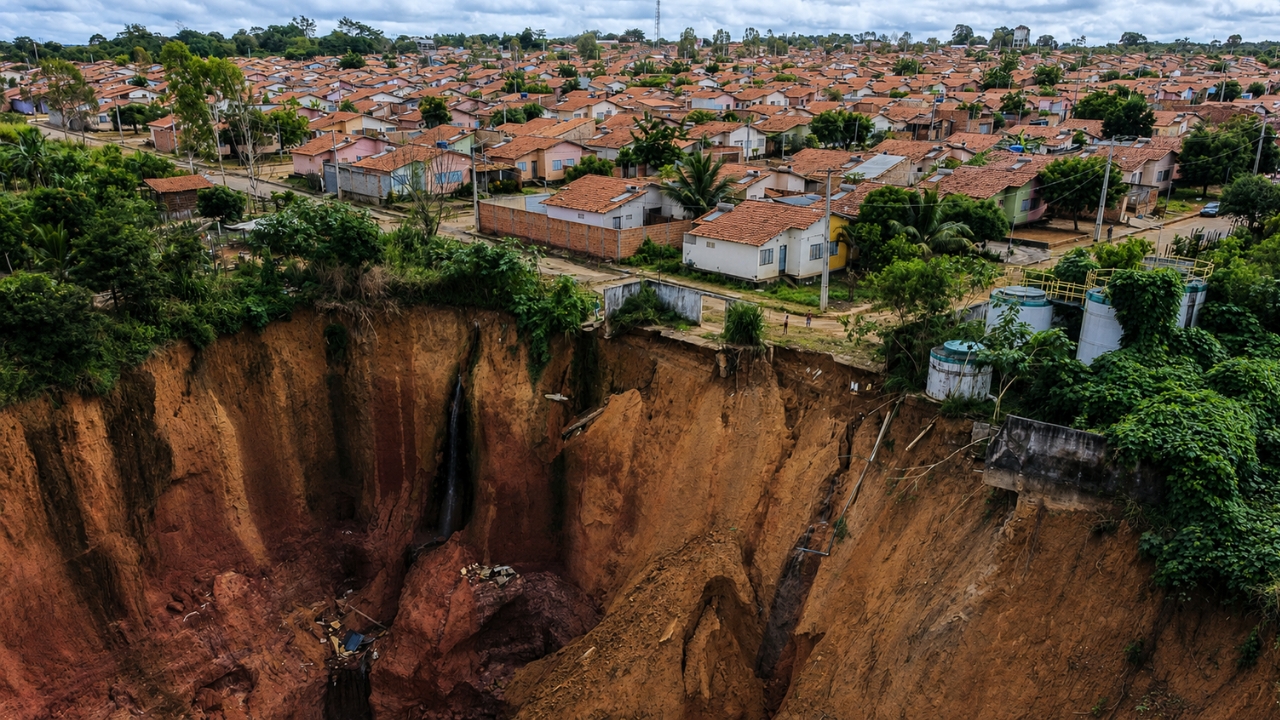
The Federal Government has issued a Provisional Measure that opens R$ 12 billion in credit for renegotiating debts in the countryside, with longer terms and below-market interest rates.
The target audience is producers affected by droughts and floods in the last five years, estimated at up to 100,000.
This is not a forgiveness: it is new credit to settle old operations, with up to 9 years for repayment — 8 years of term plus 1 year of grace, with disbursements expected to begin so that payments start from 2027.
-
Regenerative Farmers Use Keyline Plow to Improve Pasture Hydration, Storing 1 Gallon of Water Every 30 Centimeters

-
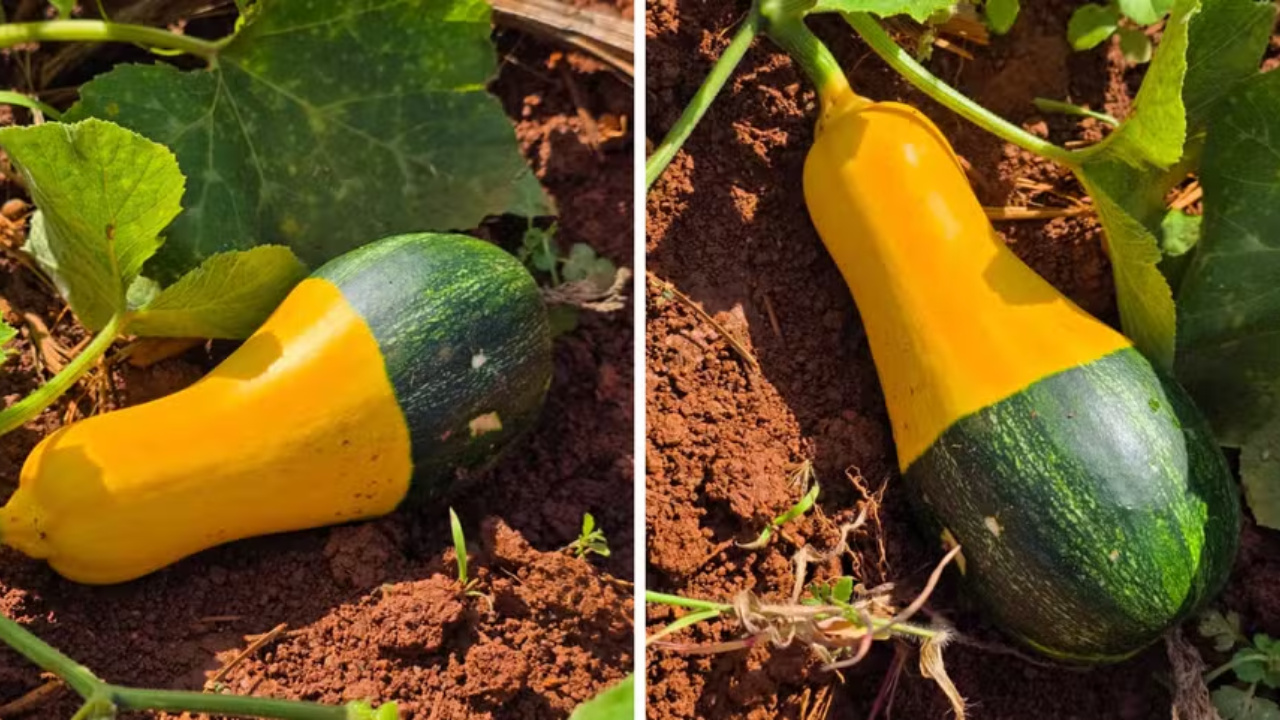
Bicolor Pumpkin Resembling Hand-Painted Art Discovered by Brazilian Researchers in the Capital Due to “Spontaneous Mutation”

-
In China, a 26-story building produces 1.2 million pigs annually, revolutionizing livestock farming with tube feeding and AI surveillance.
-
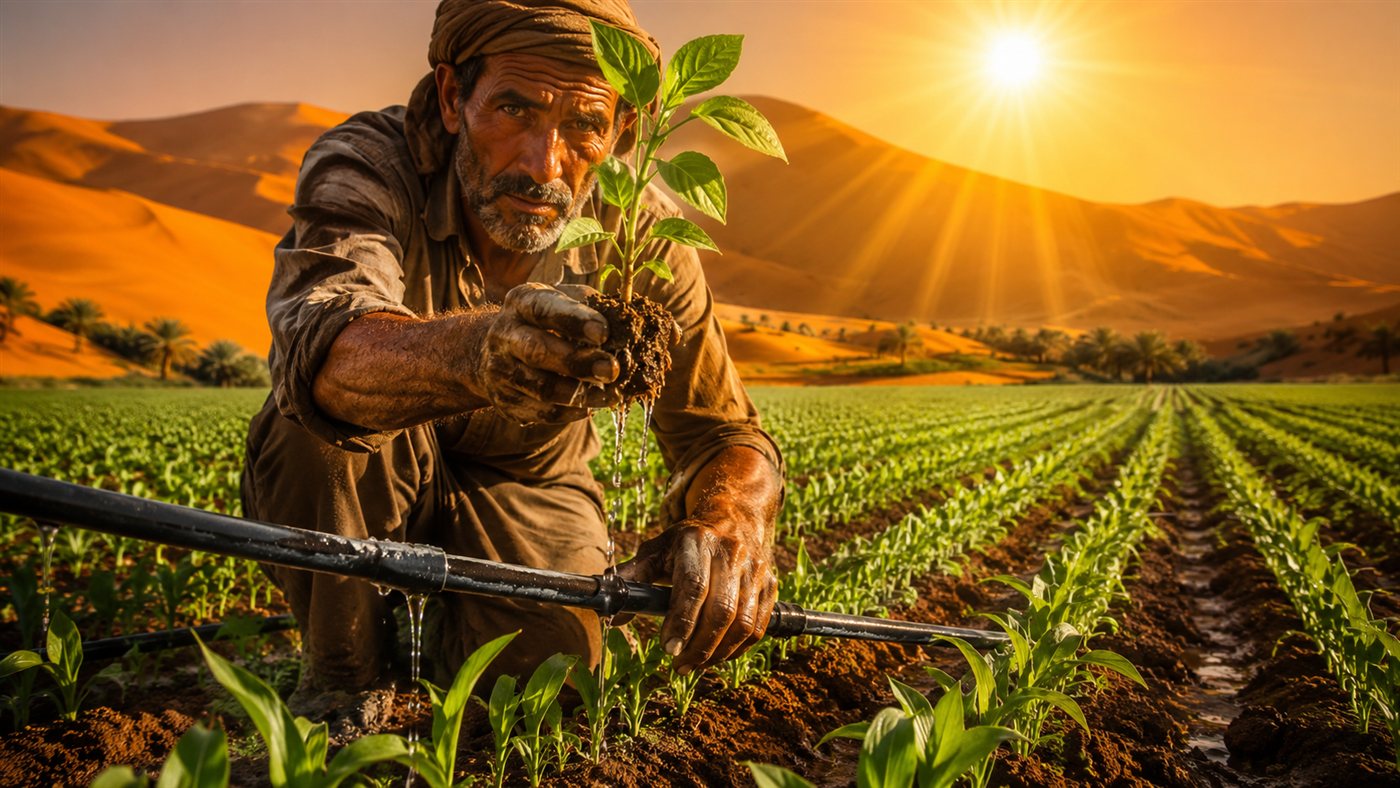
With Nearly 60% Desert, Israel Desalinates Seawater and Recycles 90% of Wastewater to Build a Billion-Dollar Agricultural Powerhouse in Dates and Cotton


Who Can Access the Program
Participation requires that the farmer be in a municipality with a state of emergency or state of calamity recognized in at least two harvests between 2021 and 2025.
It is also necessary to demonstrate losses greater than 30% in production, certified by a technical report.
These criteria apply to small, medium, and large producers who fit within the limits of each line of credit.
In addition to the territorial criteria and the proof of losses, the PM reaches producers with delinquent debts and also operations that are already renegotiated, extended or formalized by Rural Product Note (CPR).
The proposal is to alleviate cash flow for those affected by severe weather events and allow for the recovery of payment capacity.
Terms and Grace Period: Extension of Up to 9 Years
The financial design extends obligations over a long cycle, combining 1 year of grace with a total term of 8 years.
In practice, the producer contracts the new operation, pays off the previous debt, and reorganizes the payment schedule up to the limit of nine years, which reduces short-term pressure and provides breathing room to resume investments and fund the next harvest.
The expected start of payments in 2027 aims to align the agricultural calendar with the recovery of income, especially in regions that have recorded successive losses due to weather events since 2021.
Interest Rates by Producer Profile
The interest rates have been scaled according to the classification of the borrower. For Pronaf farmers, the ceiling is 6% per year for operations of up to R$ 250,000.
In Pronamp, aimed at medium producers, the rate is 8% per year for financing of up to R$ 1.5 million. For other profiles, the rate is 10% per year up to R$ 3 million.
Amounts above these limits will be contracted at market rates, determined by financial institutions at the time of negotiation.
This arrangement preserves the logic of differentiation by size and seeks to balance risk, payment capacity, and the need for financial recovery following harvest losses.
Which Debts Are Eligible for Renegotiation
The PM allows using the new credit to settle debts in various rural modalities.
Included are overdue and upcoming operations, contracts extended due to weather conditions, debts already renegotiated, and titles issued by CPR.
The goal is to consolidate scattered commitments into a single line with lower costs and longer terms, avoiding the accumulation of charges and deterioration of the producer’s credit record.
Although comprehensive, the initiative does not constitute debt forgiveness. The producer remains responsible for the principal and amounts already owed up to the date of the new contract, now reorganized under special conditions.
How the Banking Operation Will Work
The offer of credit depends on regulation by the National Monetary Council (CMN) and a circular from BNDES to enable public, private, and cooperative banks.
After standardization, institutions will be able to receive requests, analyze eligibility, and sign contracts. The service will follow internal risk and documentation policies.
The financial institution will verify the producer’s classification in Pronaf, Pronamp, or “other” and confirm the applicable limit for each bracket, as well as check the state of emergency in the municipality and the proof of losses.
Documents and Proof of Losses
To prove losses greater than 30%, the producer must present a technical report issued by a qualified professional.
It will also be necessary to demonstrate that the municipality has been in a state of emergency or calamity for two harvests during the period from 2021 to 2025, according to official decrees and recognitions.
Other usual documents include identification, proof of ownership or possession of the land, previous contracts, and statements of the operations to be settled.
Each bank or cooperative may request additional items, according to the credit manual and regulations that will be published.
Expected Impact and Target Audience
The official projection is to reach up to 100,000 producers, prioritizing regions impacted by prolonged droughts and recurring floods over five years.
By extending terms and reducing financial costs, the measure aims to recover compliance and unlock new contracts for funding and investment, preserving jobs and income in rural areas.
Although the announced volume is significant, access will depend on the strict compliance with technical criteria and the operational availability of financial institutions post-regulation.
Local Assistance and Guidance for Farmers
In municipalities in northern Rio Grande do Sul, the Farm Workers’ Union (STR) of Passo Fundo, Coxilha, and Mato Castelhano is guiding producers on documents, eligibility, and communication with banks to take advantage of extraordinary conditions and restore credit.
Assistance is available via the phones (54) 3313-2131 and (54) 99709-5639 (WhatsApp), channels indicated to clarify doubts and organize documentation before seeking the financial institution.
According to the entity, prior organization of papers and checking eligibility by size and limits increases the chances of approval, especially in cases with multiple debts and titles.
Recommended Step-by-Step for the Producer
Before applying for renegotiation, it is advisable to confirm whether the municipality of the rural establishment meets the emergency requirement in two harvests during the required period.
Next, the producer should obtain the report of losses greater than 30%, gather the contracts to be settled, and consult their eligibility category (Pronaf, Pronamp, or others).
With the information in hand, seeking out the financial institution tends to be more straightforward.
The bank will evaluate the dossier, define rate, term within the limit of up to nine years, and amount compatible with the ceiling of their category, in addition to formalizing the settlement of old operations with funds from the new line.