





 Portuguese
  English
  Spanish
 3 min of reading


Economist Lucas Ferraz, Head of the International Business Secretariat of São Paulo, Told Estadão That the SP Government Wants to Eliminate the ICMS Charged Today on Inputs Purchased in the Domestic Market That Will Subsequently Be Used in the Manufacture of Products Exported by São Paulo Companies.
Brazil Already Has a Special Tax Regime Known as Tax Relief, Which Suspends Federal and State Taxes on the Purchase of Imported Inputs Used in the Production of Goods for Export. The Proposal Aims to Encourage Inputs Acquired in the State of SP.
The Changes in the SP Government Aim to Help São Paulo Companies That Pay High Taxes. The Secretary Also Stated That the Existing Asymmetries in Taxation Cause Companies That Manufacture Products for Export to Pay Seven Times More Taxes. Ferraz Is in Davos, Switzerland, Accompanying the São Paulo Governor Tarcísio de Freitas (Republican) at a Meeting of the World Economic Forum.
They Scheduled Meetings with CEOs of International Companies and Representatives of Multilateral Organizations. The Task Was Not Only to Showcase the Portfolio in São Paulo but Also to Promote the Export Platform of the State. The Proposals Under Consideration Include Ending Residual Taxes on Exports and Streamlining Export Operations at the State Level.
-
Government announces R$ 2.2 billion to expand cancer treatments in the SUS with high-cost medications, robotic surgery, and breast reconstruction.

-
“Tax-free” gasoline: Luciano Hang announces a discount of R$ 2 per liter at Havan gas stations in Santa Catarina to show the weight of taxes on Brazilian drivers’ wallets and also brings Tax-Free Day to the 191 megastores in the country.

-
A city with 2,600 inhabitants will receive a JBS farm that will produce 91 eggs per minute. The project is expected to generate around 100 direct jobs during the construction phase and maintain 80 permanent positions once it becomes operational.

-
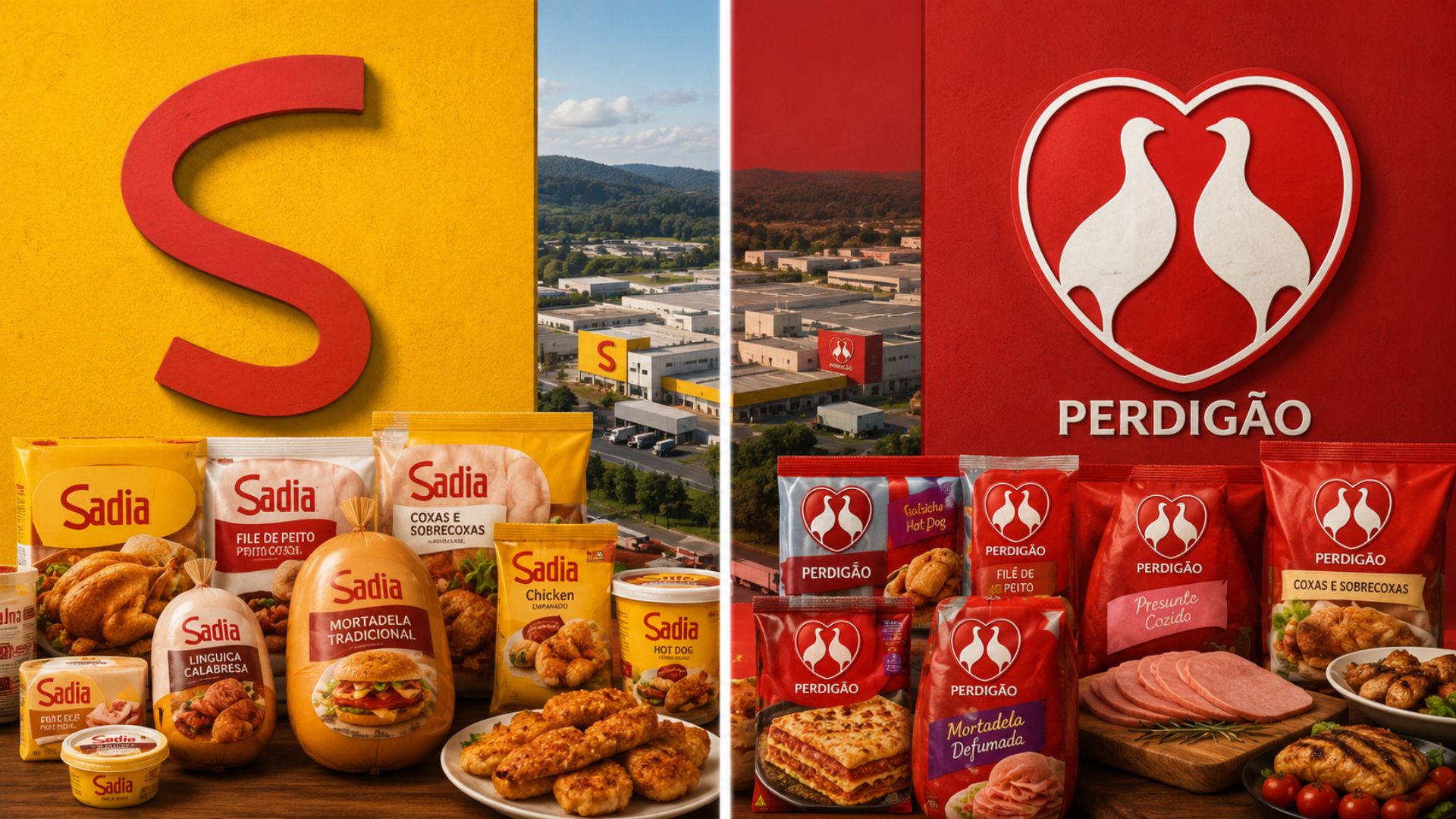
Sadia x Perdigão: how the rivalry between giants from SC turned into a R$ 164 billion empire and sells in 117 countries


“There Is an Asymmetry in Taxation Because the ‘Drawback’ Only Suspends State Tax on Imports. If It Is Purchased Locally, the Businessman Continues to Pay,” Says Ferraz, Who Served Until Last Year as Special Secretary of Foreign Trade at the Ministry of Economy. With This Measure, the Trend Is to Stimulate Local Production of Inputs.
From SP to Abroad
The Proposal Is for the International Business Secretariat to Be a Growth Lever by Increasing the International Participation of the State of São Paulo. “We Want to Use the Secretariat in the Most Cost-Effective Way Possible to Enhance Business Promotion and Attract Investments,” Said Ferraz. In the Investment Pursuit Process in Davos, the São Paulo Government Will Propose a Sustainable Development Agenda and a List of Projects to Attract Foreign Investments. The Project Portfolio Totals R$ 70 Billion.
The Current Governor of São Paulo, Tarcisio de Freitas, Tried to Present a “Green Agenda” at the Davos Meeting, Focusing on Energy Transition, Green Hydrogen, and Second-Generation Ethanol. Among These Meetings, Talks Were Scheduled with Axel van Trosenberg, President of the World Bank, Mathias Cormann, Secretary-General of the Organization for Economic Co-operation and Development (OECD), and Helene Budliger Artieda, State Secretary for Economic Affairs of Switzerland; Jeffrey Jaensubhakij, CEO, Singapore Sovereign Wealth Fund (GIC); Sultan Ahmed bin Sulayem, CEO, DP World; Ana Paula Marques, Director, EDP; Francesco Starace, CEO, Enel; Ilan Goldfajn; and UN Secretary for Climate Change, Simon Steele.




Be the first to react!