Portuguese
  Spanish


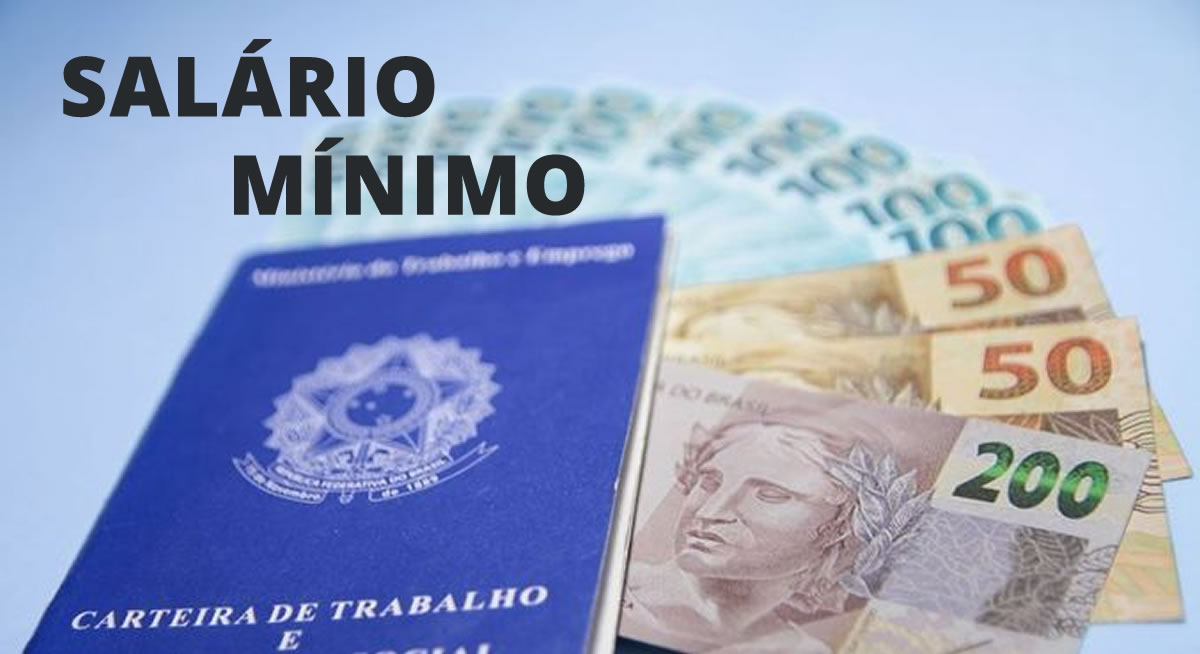

The Government Cuts Package Threatens to Drastically Change the Minimum Wage and Benefits Like the BPC. Controversial Measures Generate Heated Debates About the Financial Future of Millions of Brazilians.
When austerity measures are discussed, tension in society increases.
One of the central points of the economic debate in Brazil gained traction this week: the federal government is preparing a cuts package that promises to hit the pockets of millions of Brazilians.
Although the details of the project are still being adjusted, the initial information has already caused controversy, with changes that could directly affect the minimum wage adjustment rule and other social benefits.
-
Many Unaware: Seniors Entitled to Monthly Income, Free Transport, Medication, and Property Tax Exemption in Brazil

-
Brazil’s BNDES Funded Metro and Steel Plant Projects in Venezuela with Brazilian Support

-
Abandoned Building in Brazil to Become Biotechnology Unit with $10 Million Investment, Bridging Science, Industry, and Public Health
-
Company Offering “Stones to Diamonds” Scheme Sells Ruined Italian Homes to Brazilians for 1 Euro, Disappears with Promised Renovations, Leaving Buyers in Debt to Italian Tax Authorities Until 2028 Without Property




The Minister of Finance, Fernando Haddad, confirmed that the text of the package has been completed and will be sent to Congress in the coming days.
Before that, it will be presented to the presidents of the Chamber of Deputies, Arthur Lira, and the Senate, Rodrigo Pacheco. Meetings with the leaders may occur as soon as this Tuesday (26).
Among the measures, changes in the minimum wage adjustment rule, military retirement, and grants of benefits like unemployment insurance and the Continuous Cash Benefit (BPC) are expected.
What Changes in the Minimum Wage Rule?
One of the most discussed measures in the package is the change in the minimum wage adjustment, which is currently based on inflation and the growth of the Gross Domestic Product (GDP) of the previous two years.
Under the new proposal, the increase would be limited to a range of 0.6% to 2.5% per year above inflation.
This change would directly impact the purchasing power of millions of Brazilians, raising concerns among unions and experts.
BPC Under New Rules
The Continuous Cash Benefit (BPC) is also expected to undergo significant changes.
Currently, the BPC is intended for the elderly and people with disabilities in families with income of up to a quarter of the minimum wage per person.
According to the newspaper Estadão, the government plans to include income derived from informal services, such as “gig” work and app-based jobs, in the income analysis.
This measure aims to reduce the number of beneficiaries and consequently the costs of the program.
To illustrate the impact, data from the Ministry of Social Development shows that, in Santa Catarina, 105,700 people receive the BPC.
Of these, 69,500 are people with disabilities, while 36,100 are elderly.
Military Retirement and Changes in Unemployment Insurance
The package is also expected to include a reform of military retirement.
Currently, they can move to paid reserve starting at 50 years old. The new proposal raises the minimum age to 55, with a transition period for adjustment.
Another change involves unemployment insurance. Although there are no complete details yet, it is expected that the government will tighten the rules for granting the benefit, reducing the financial impact on public coffers.
Salary Bonus at Risk
Another controversial point is the salary bonus, which currently guarantees a minimum salary annually to those who earn up to two minimum salaries per month.
The government plans to restrict this limit to those with income of up to 1.5 minimum salaries.
The measure would generate considerable savings but could harm workers who depend on this financial supplement.
Why Is the Package Necessary?
The government seeks to balance the public accounts in light of rising expenses and the need for greater investment in other areas.
According to Minister Haddad, these changes are essential to ensure fiscal sustainability in the medium and long term.
The financial market had been awaiting the announcement of the package since the G20 summit in Rio de Janeiro, but the announcement was delayed for final adjustments.
Repercussions and Criticisms
The proposals have generated diverse reactions.
While economists argue that containment measures are necessary, social movements and representatives of workers criticize the direct impact on the most vulnerable population.
“It’s a package that sacrifices those who are already at the limit,” say union leaders.
Haddad stated to the portal Metrópoles that the government’s priority is to present a transparent and viable text.
He emphasized that the presidents of the legislative houses will be informed in advance to align the forwarding of the proposals.
What to Expect Going Forward from the Government Package?
The package will be evaluated by Congress, which can approve, reject, or modify the proposed points.
For the government, this approval is crucial to avoid greater fiscal imbalance in the coming years.
With so many changes anticipated, the lingering question is: how will these alterations impact the Brazilian worker in the short and long term?