






 Portuguese
  Spanish
  3 min of reading
  0 comments


New Government Policy of Brazil Accelerates Investments in Strategic Minerals and Strengthens the Climate Agenda Toward COP30.
Government of Brazil Creates Unprecedented Bonds to Attract Investments in Strategic Minerals and Accelerate the Energy Transition by 2050
The Government of Brazil announced this Friday (11/14) a new policy that changes the course of mining, by authorizing the issuance of debentures with tax benefits for projects related to strategic minerals.
The measure, signed by the Minister of Mines and Energy, Alexandre Silveira, in the Official Gazette, comes into effect nationwide and intends to attract billions in private investments to strengthen the national industry.
The initiative arises during COP30 in Belém (PA), marking Brazil’s commitment to climate neutrality by 2050.
-
China could reduce iron ore imports from 80% to 50% of consumption by 2030, while its share in global steel production falls from 52% to 46%, in a shift that could reshape the global market, says CMRG.

-
Brazil is sitting on one of the largest lithium reserves in the world, in the Jequitinhonha Valley, but national mining has almost become an appendage of China: 97% of the metal’s export goes to a single country, which also dominates refining.
-
Iron ore falls to 762 yuan in China as real estate sales decline and steel production hits lowest level since 2018
-
Brazil has minerals, clean energy, and a waiting market, but it could miss a billion-dollar opportunity if it doesn’t speed up the race for green minerals, while the steel industry seeks to reduce emissions.


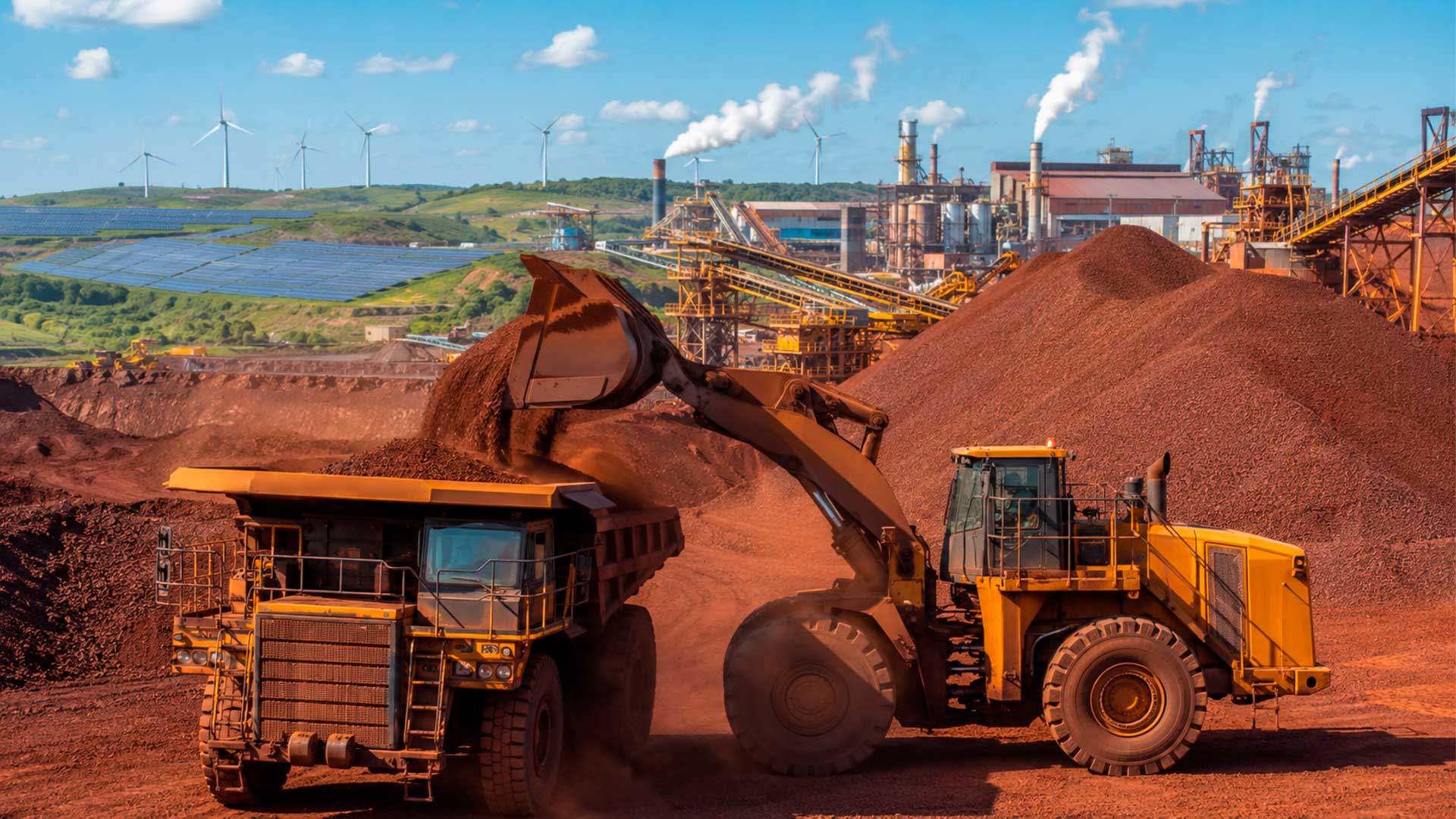
Portaria No. 120, therefore, creates a financial mechanism capable of stimulating the production of essential inputs for clean technologies — especially batteries, electric motor magnets, and materials used in the global energy transition.
Strategic Mining Takes Center Stage in the Country’s Climate Agenda
According to Alexandre Silveira, the new policy represents a turning point.
“Today we mark the beginning of a new era for the Brazilian mineral sector. We are laying the foundations for Brazil to become, in the coming decades, an essential player in the global economy, driving the energy transition”, the minister stated.
He emphasizes that the country wants to stop being merely an exporter of raw materials. Thus, the goal is to consolidate a complete production chain, with greater added value and a direct impact on Brazilian technological development.
Investments May Reach R$ 5.2 Billion Per Year
The new model foresees that up to 49% of the raised funds can be applied to mining and development, as long as they are associated with mineral transformation.
In total, the estimated investments reach R$ 5.2 billion per year, as follows:
- R$ 3.7 billion for mineral transformation
- R$ 1.5 billion for mining and processing
This division, therefore, prioritizes projects that strengthen national production of strategic minerals, reducing dependence on imported inputs.
Priority Projects Include Nickel, Cobalt, and Lithium
The policy paves the way for key ventures in the new green economy. Among those that may be included are:
- Projects for nickel sulfate and cobalt in São Paulo (SP) and Pará (PA)
- Units for lithium carbonate in Minas Gerais (MG)
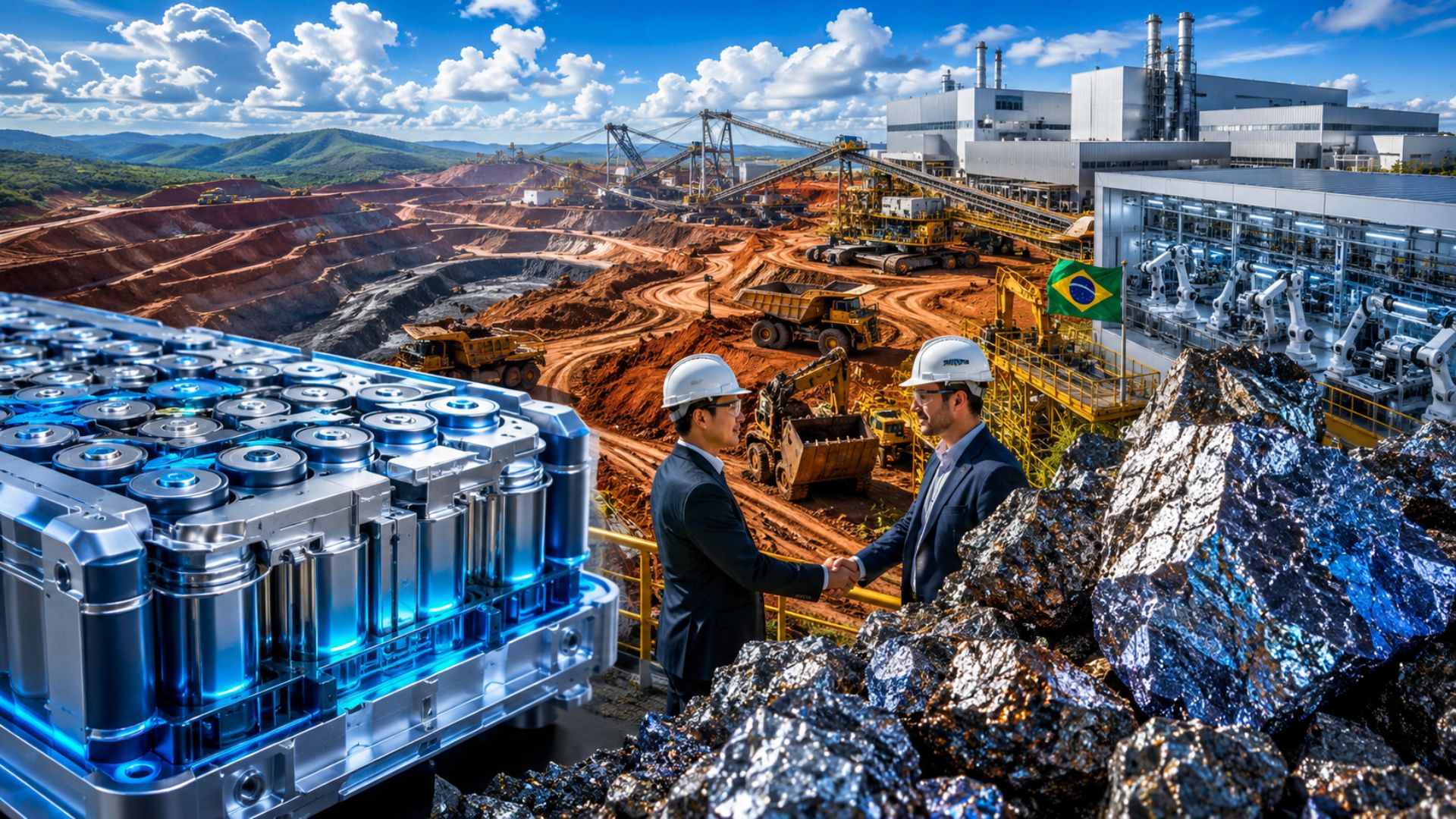
These materials are essential for battery manufacturing, storage systems, and electric motors — pillars of decarbonization.
Therefore, the measure directly strengthens Brazil’s competitiveness in sectors related to the energy transition.
Policy Relies on Recent Legal Framework
The portaria is based on the Decree No. 11.964/2024, which regulates incentivized debentures linked to the mining sector.
The final text underwent public consultation and received technical adjustments before official publication.
Thus, the Government of Brazil reinforces legal security and creates concrete conditions to increase investments in the sector.
Brazil Seeks Global Leadership in Strategic Minerals Before COP30
The new policy integrates a broader strategy, led by the Federal Government, to position the country at the top of the strategic minerals chain.
Among complementary actions is the National Policy for Critical and Strategic Minerals, which strengthens mineral and energy security.
By reinforcing this alignment, Minister Silveira stated:
“We are positioning Brazil at the global forefront of the energy transition. We don’t want to be mere suppliers of raw materials, but protagonists in the value chain of essential minerals for the sustainable future of the planet.”
This statement summarizes the focus of the initiative: to transform mineral potential into sustainable development, innovation, and competitiveness — elements that Brazil wants to showcase at COP30, which will be held in Belém in 2026.
New Green Economy Accelerates With Support from Mining
The choice for debentures focused on strategic minerals shows that the Government of Brazil bets on mining as a driver of the energy transition.
Furthermore, the policy stimulates industrialization, creates new opportunities for skilled jobs, and strengthens high value-added production chains.
With this, the country takes a decisive step to establish itself as a protagonist in the new green economy while attracting global investments in a sector deemed essential for the future.







Be the first to react!