Portuguese
  Spanish


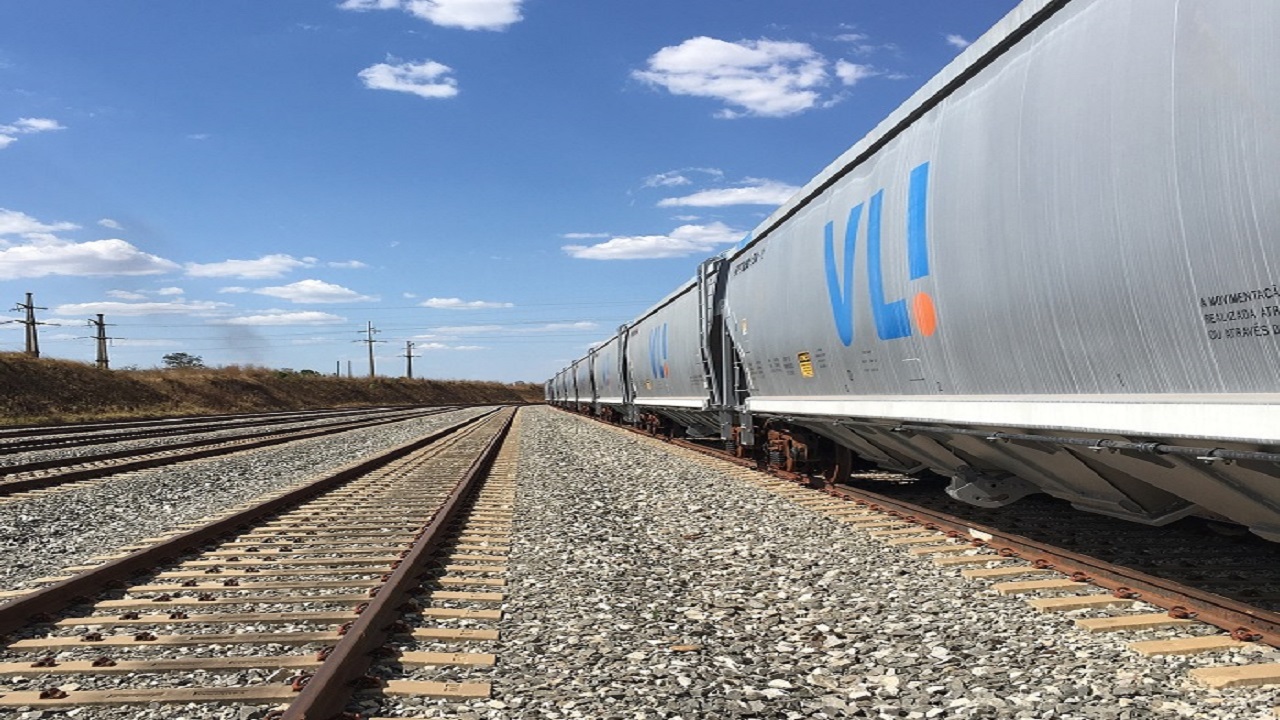

Investments Made by the Federal Government in Maranhão Railroads Reinforce Commitment to Logistics for Cargo Flow in the MATOPIBA Axis
On last Thursday (2), during the opening of Railway September, at an event held at the Palácio do Planalto, the Federal Government announced that it received proposals from two private companies to invest in Maranhão railroads, as well as other proposals for investments in two more states, namely Minas Gerais and Mato Grosso. The Minister of Infrastructure, Tarcísio Freitas, signed ten authorization requests for the construction of these new railroads. During the event, the minister highlighted that the Federal Government has already made more than R$ 1 trillion in contracted investments. Tarcísio also mentioned that this is the month in which Brazil celebrates its logistical independence. The concession contract for the West-East Integration Railroad was signed last Friday (3) in Bahia.
Read Other Related News
Federal Government Program Promises to Oversee the Construction of Railroads in Maranhão, Mato Grosso, and Minas Gerais
During the Railway September event, the Pro Trilhos project was also presented, which will be responsible for applying the investments. For Maranhão alone, approximately R$ 9.3 billion will be invested in the recovery and construction of railroads.
The company VLI intends to develop a new segment between the municipalities of Estreito and Balsas in Maranhão. This segment will be 245 kilometers long and require approximately R$ 2.8 billion in investments.
-
Brazil’s 2026 Tax Refund: Record 9.58 Million Filers in Largest Payout Ever, But a Key Detail on Priority Recipients Draws Nationwide Attention

-
Itaú Alters Hybrid Work Model, Increasing Office Days from 2028, Prompting Employees to Adjust to New Routine
-
Facing Labor Shortage, Japan Plans to Invest $34 Million to Attract Foreign Workers in Construction, Healthcare, Industry, and Commerce

-
Brazilian City Makes Remarkable Leap, Becomes 4th Wealthiest in the Country with GDP of R$ 134.1 Billion



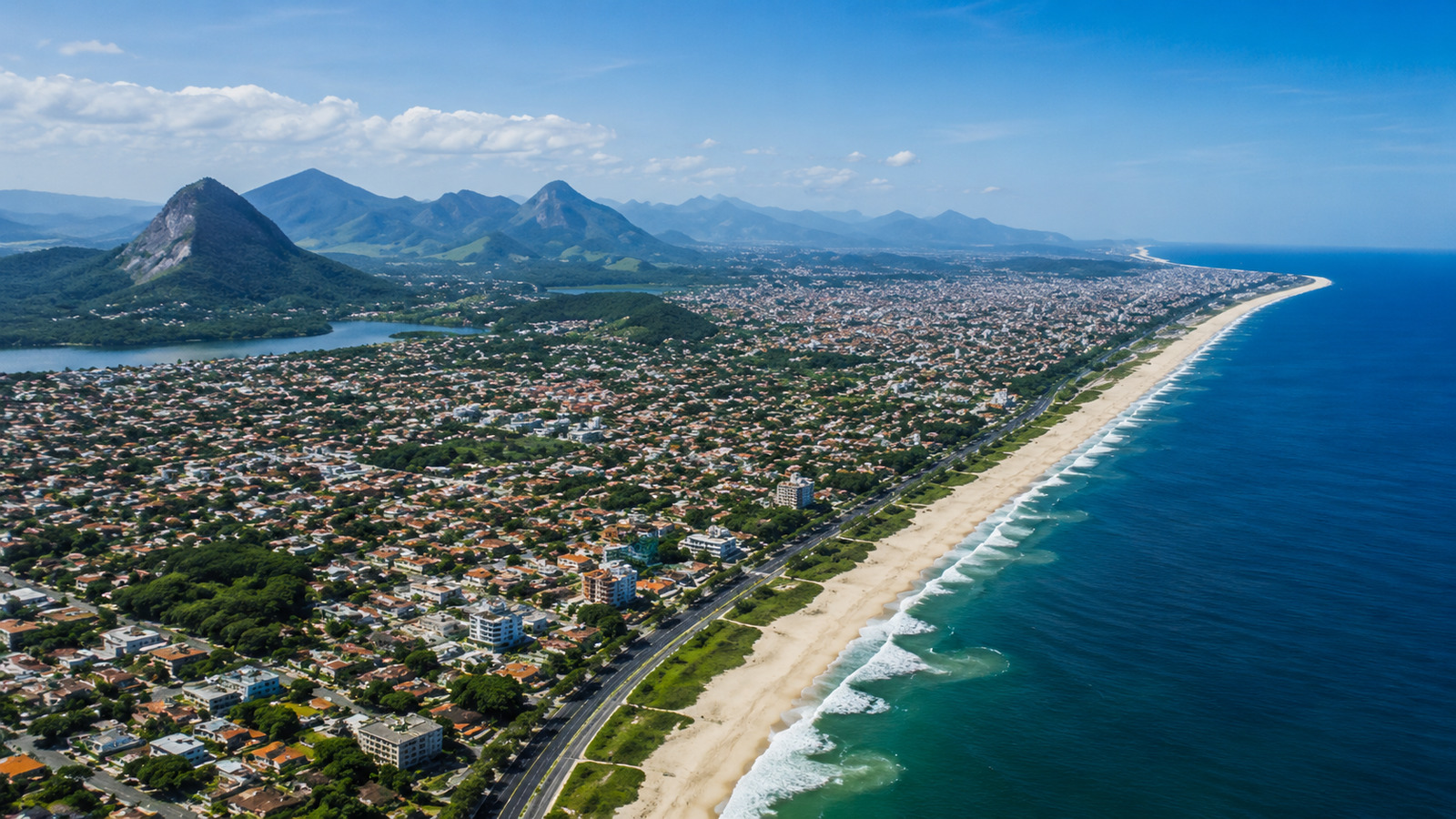
This segment will branch off from the North-South Railroad, known as MATOPIBA (Maranhão – Tocantins – Piauí – Bahia). These investments made by the Federal Government reinforce the commitment to facilitate the logistics system for cargo flow along the North-South Railroad axis.
See Below the New Segments of Railroads That Will Be Built
- Estreito/MA – Balsas/MA, with 245 km in length and an investment of R$ 2.8 billion;
- Açailândia/MA – Alcântara/MA: 520 kilometers in length, investment of R$ 6.5 billion;
- Água Boa/MT – Lucas do Rio Verde/MT – 557 km in length. The investment will be R$ 6.4 billion;
- Shortline between Perequê/SP – TIPLAN/Porto de Santos/SP – about 8 km in length, investment of R$ 100 million;
- Maracaju/MS – Dourados/MS: 76 km in length, with an investment of R$ 2.85 billion;
- Guarapuava/PR – Paranaguá/PR, will have 405 km in length and an investment of R$ 15.2 billion;
- São Mateus/ES – Ipatinga/MG, with 420 km in length and an investment of R$ 5 billion;
- Cascavel/PR – Foz do Iguaçu/PR: 166 km in length are planned, investment of R$ 6.25 billion;
- Uberlândia/MG – Chaveslândia/MG, with 235 km in length, investment of R$ 2.7 billion;
- Suape/PE – Curral Novo/PI: 717 km in length and investment of R$ 5.7 billion.
Overall, the forecast is that approximately 1,482 kilometers of new tracks in the Northeast, crossing three states, totaling an investment of R$ 15 billion, will be implemented in the coming years. What remains now is the final evaluation by MInfra for the issuance of authorizations and other legal procedures. The railway authorizations have the potential to increase the modal share from the current 20% to 40% of national logistics transportation by 2035.