






 Portuguese
  Spanish
 3 min of reading


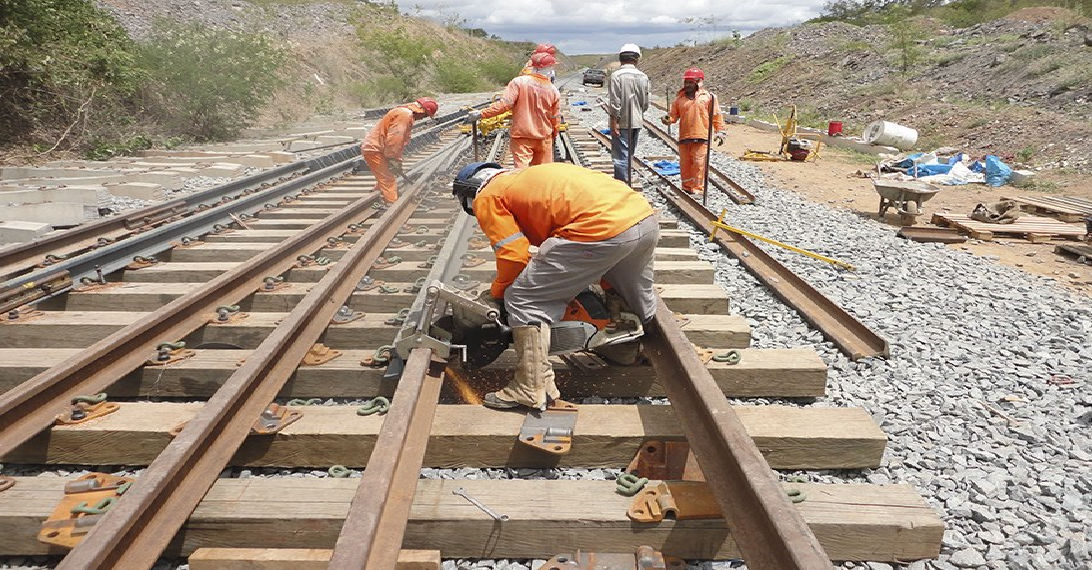
The Midwest Integration Railroad (Fico), in Mato Grosso, Will Begin Its Works Next Month; The Contractor for the Services Will Be the Mining Company Vale
The Midwest Integration Railroad (Fico), in Mato Grosso, will begin construction in May. The railroad, planned for over 10 years, will be executed by the mining company Vale, which is expected to invest about R$ 2.73 billion in Fico, with an estimated completion time of four years. The works will extend from the state of Goiás to the state of Mato Grosso.
Mining Company Vale Will Execute Railroad Works
The construction project will begin in the city of Mara Rosa, in the state of Goiás, where the tracks will connect to the already operational North-South railway network. From there, Fico will cover a distance of 383 kilometers towards Mato Grosso, reaching the city of Água Boa.
The mining company Vale will be responsible for the execution of the railroad works in Mato Grosso and Goiás. The company signed a contract with the Federal Government at the end of last year and expects to invest R$ 2.73 billion in Fico over the estimated four years for completion.
-
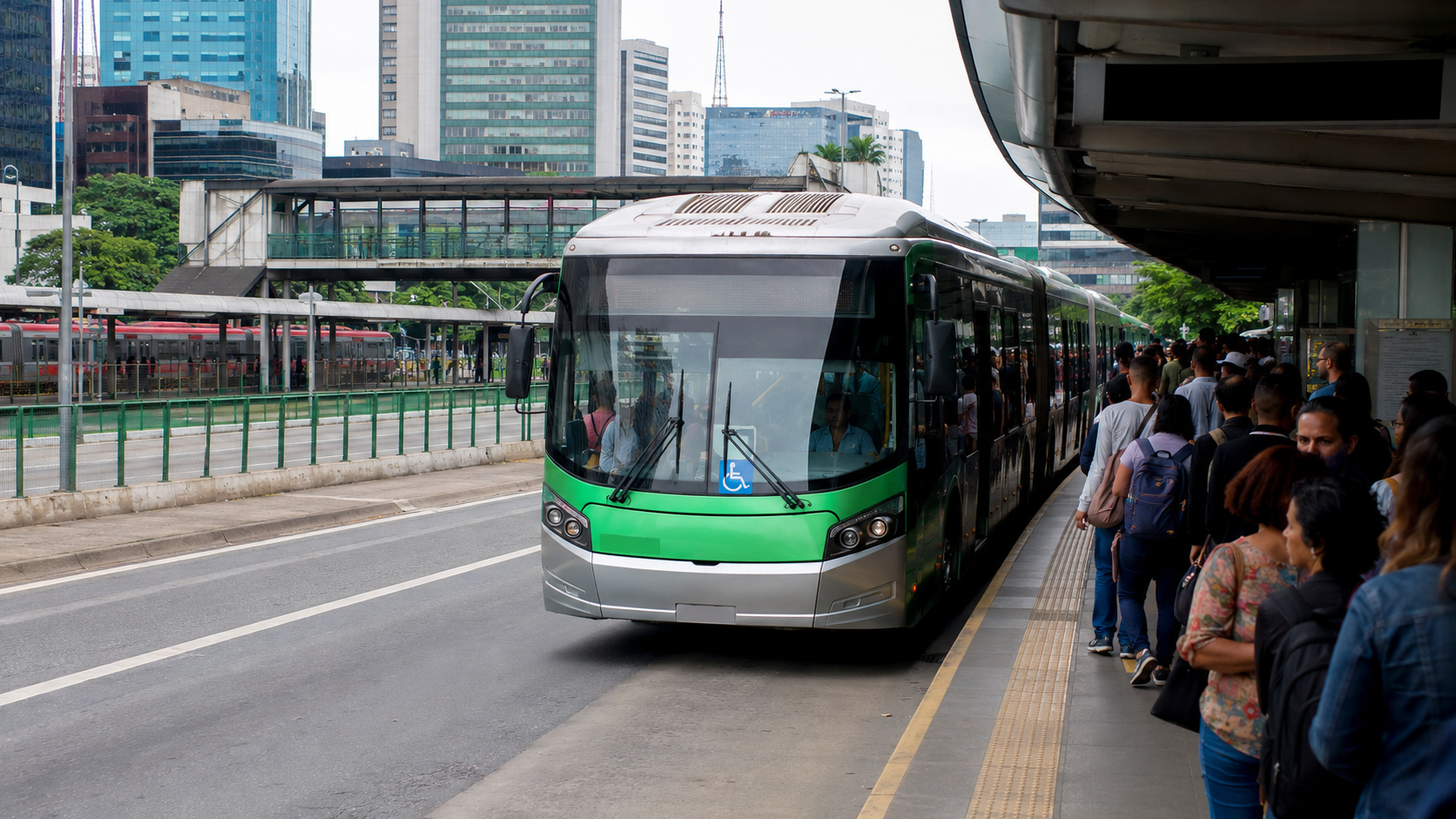
What changes with the new public transportation rules that can reduce pressure on fares and pave the way for zero fare in Brazil?

-
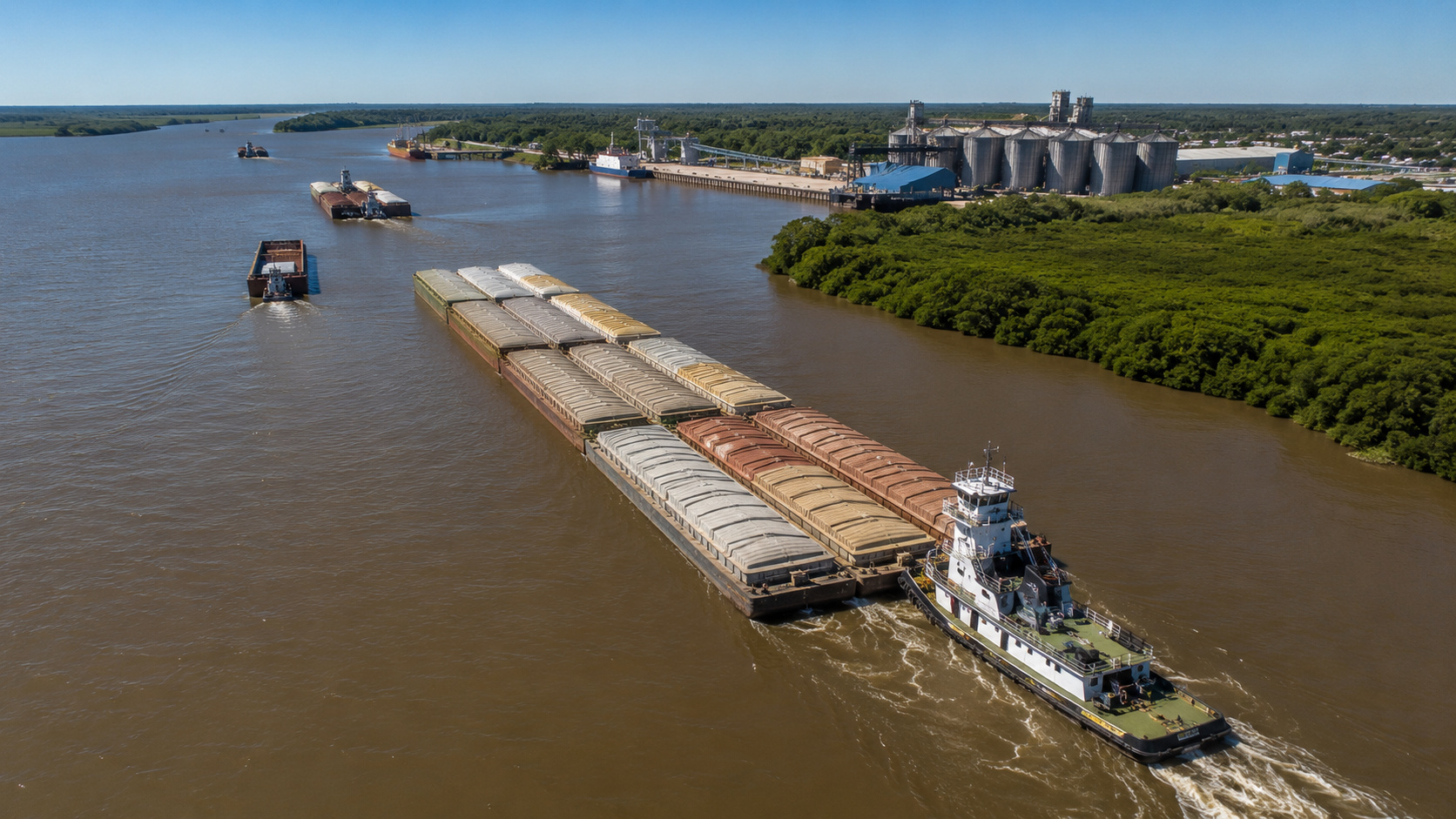
Argentina confirms Belgian giant to lead strategic Paraná River waterway and promises to reduce logistical costs on one of South America’s most important routes
-
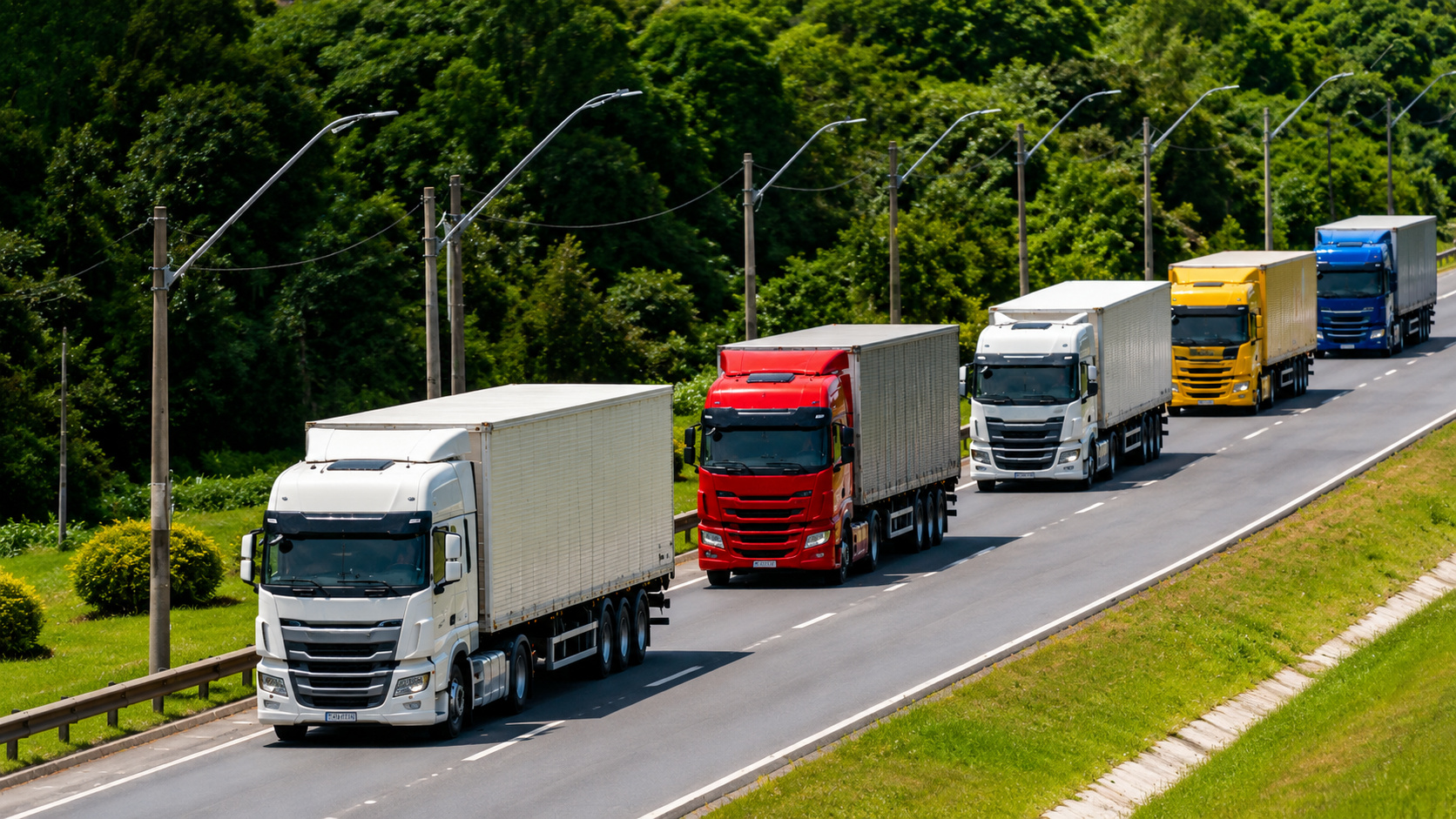
MBRF surprises the logistics sector by demonstrating how Artificial Intelligence can directly influence deliveries throughout Brazil by reorganizing distribution routes in seconds, optimizing fleet usage, reducing logistics costs, and speeding up product arrivals even in the face of unforeseen road incidents.
-
With deep ports and strategic railway, Espírito Santo advances to compete with Santos and attract foreign trade cargo.

Contract Between Vale and the Government
The signing of the contract between Vale and the Ministry of Infrastructure is due to the government’s decision to allow current railroad concessionaires in the country to renew their contracts early. The proposal has been under study since 2017, authorizing a 30-year concession in the 1990s – the concession only expires between 2026 and 2028 – and is now extended for another 30 years. In return, these companies, in addition to the so-called “cross investment,” also commit to expanding the networks they already operate.
The mining company Vale agreed to undertake the railroad works after obtaining authorization to renew two concessions already operated by its logistics companies, the Vitória-Minas Railway in the Southeast Region of the Country, and the Carajás Railway in Maranhão. When the company completes the works, it will hand over the project to the government, which will conduct an auction, and the railroad operations will be carried out by any company interested in that route.
Vale confirmed, via a statement, that it has started activities related to the pre-implementation of the works, including field exercises, development and implementation of projects, and hiring engineering companies. The mining company stated that at the same time, it is awaiting the Federal Government’s responsibility to provide the land for the first 30 kilometers of the railroad to initiate the next phase of the railway infrastructure construction project.
Improvement in Mato Grosso’s Logistics
The new railway network is expected to help relieve some pressure on Mato Grosso’s two main grain export routes, the BR-163 and BR-158 highways. This year, as with the previous BR-163, the BR-158 has garnered national news, with stretches of poor soil and endless truck congestion, and today, rail transport accounts for about 15% of the country’s cargo volume.
The current target of the national logistics plan aims to achieve a participation rate of 30% by 2025. Brazil’s goal is to transport 0.6% to 0.8% of all products produced in the country each year. To minimize the improvement of current logistical conditions, this proportion must be raised to 2.5% of GDP.






Be the first to react!