






 Portuguese
  Spanish


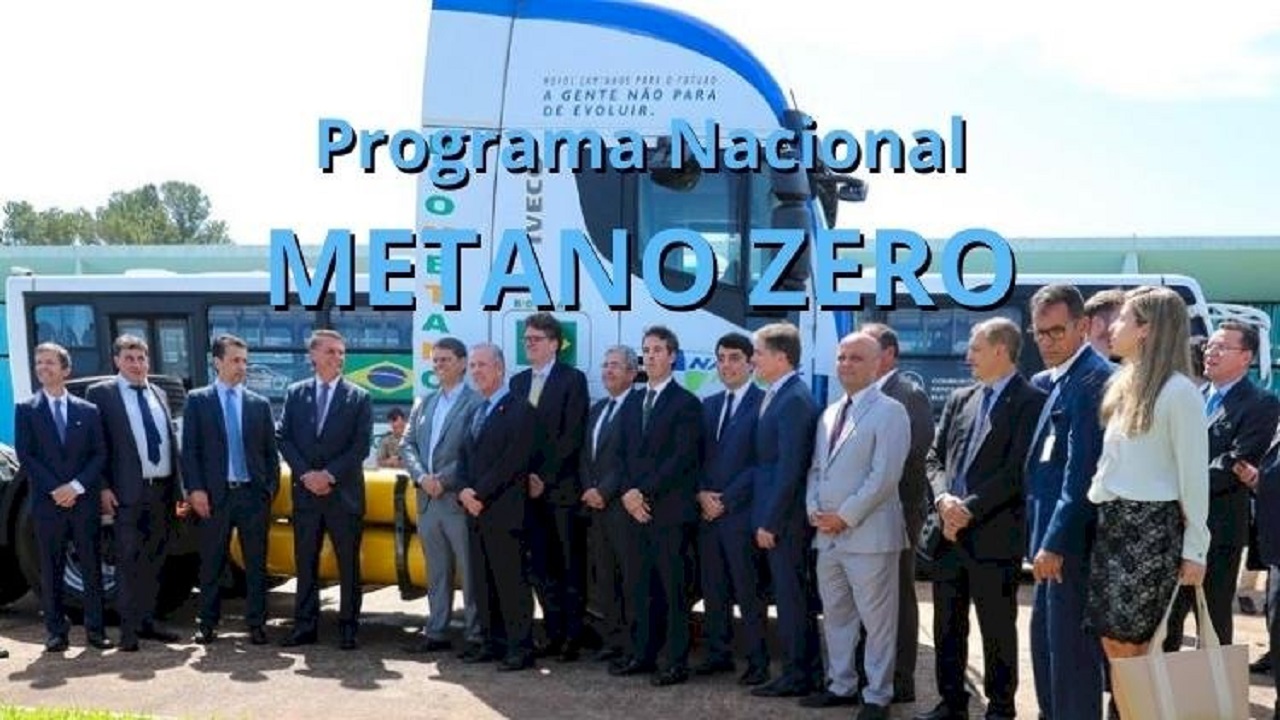

In Order to Meet the Goal Established at COP 26, the Federal Government Launched a Program to Encourage Biogas Production and Waste Treatment in Brazilian Cities and Rural Areas
In the past year, Brazil signed a global commitment during the Climate Summit to reduce methane emissions in the atmosphere by up to 30%. To fulfill this mission, the Federal Government launched several measures on Monday (21) to encourage biogas production through waste treatment. The information came from Joaquim Leite, the Minister of Environment, who was interviewed last Sunday on the Brazil in Focus.
Biogas, A Renewable Biofuel for Energy Transition, That Can Replace Gasoline, Diesel, and Natural Gas
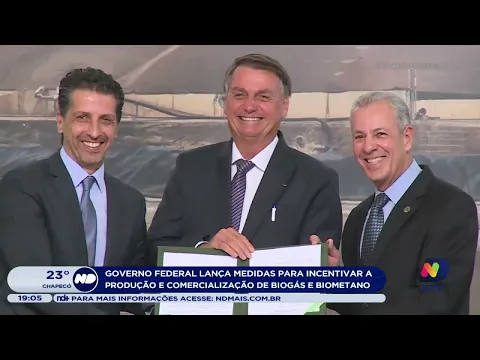

According to the minister, several initiatives by the Federal Government are already being implemented to treat waste that will be transformed into biogas, mainly from poultry and swine waste, sugarcane, and materials from landfills. Furthermore, according to the minister, the transformation of these residues reduces the amount of methane gas generated by this type of waste.
“It’s the treatment of waste generating energy and fuel,” Leite celebrated. According to Leite, rural properties are transforming these residues into biogas or biomethane and using them in tractors, buses, and trucks, allowing people to use the gas generated in their own homes to reduce diesel consumption and usage.
-
At 14 years old, she worked in a factory in Hong Kong, studied economics abroad, and then entered the Chinese real estate market, which helped change the landscape of Beijing.

-
Fired during apartheid and with a little borrowed money, an electrician started with a borrowed truck and transformed electrical services into a group connected to energy, real estate, and infrastructure in South Africa.
-
Wood has ceased to be just a construction material in Yale research and has become insulation for electrical transformers that face intense heat, aging, and increasing pressure from the renewable energy-powered grid.
-
More than 1,000 residents of a remote island in Kiribati now have clean water and electricity with solar systems operated by the community itself.


Among the measures that will be announced by the Federal Government to encourage the production of biogas and waste treatment, there will be new financing lines for Green Expansion, with a total investment of R$ 400 billion for this purpose. The minister stated that public policies will be designed by the Federal Government; however, it will be the private sector that must execute them.
Biogas Will Be Included in Reidi
One of the measures announced by the Federal Government on Monday (21) was the inclusion of biogas in the special incentive regime for infrastructure development (Reidi), meaning it will result in the suspension of PIS or Cofins charges on the purchase of machines, equipment, or construction materials for the sector.
The signed decree projects incentives for the biogas credit market, promotion of biodigester installations, biogas purification systems, and production and compression, in addition to encouraging biogas production and scientific-technological research.
According to the Brazilian Biogas Association (Biogas), Brazil has the capacity to produce up to 120 million cubic meters per day, which corresponds to 70% of the national diesel requirement. The entity estimates that R$ 7 billion will be invested in new biogas plants over the next five years, with the current production volume, which is 400 thousand cubic meters, increasing to over 2 million by 2027.
During the event, attended by Ministers Bento Albuquerque (MME) and Joaquim Leite (MMA), the President of the Republic, Jair Bolsonaro, signed the decree that establishes the Federal Strategy for Encouraging the Sustainable Use of Biogas and Biogas, aimed at promoting programs and actions to reduce methane emissions and encourage the use of biogas and biogas as renewable energy and fuel sources.
Hospital Waste Treatment Gains Attention
The increase in hospital waste production during the pandemic and the improper disposal of waste have raised alarms from the WHO and are driving various initiatives to reuse materials by leading healthcare institutions in Brazil.
Among the projects are the transformation of food into fertilizer for organic food production, and the making and selling of bath and bed linens made by seamstresses from underprivileged communities, among others.
According to a report from Abrelpe, there was a 15% increase in hospital waste production in 2020 compared to the previous year, generating a total of 290 thousand tons, while domestic waste grew by 4%, reaching 82.5 million tons.








