Portuguese
  Spanish



The Federal Government Is Developing a Program That Aims to Install Biogas and Biomethane Plants for the Production of Biofuels in All Brazilian States. The Average Per Unit Will Be R$ 3.5 Million
The Federal Government Will Use the Demonstration Unit of Biogas and Biomethane, Located at the Itaipu Plant in Foz do Iguaçu (PR), as a Reference for the Zero Methane Program. The Initiative Will Be Launched This Month and Aims to Promote the Generation of Biofuel Through Biomethane and Biogas with Financial Assistance from Public Banks, Such as Banco do Brasil, Caixa Econômica Federal, and Banco Nacional de Desenvolvimento Econômico e Social.
Read Also
- Billion-Dollar Investment in the Northeast: 2W Energia Receives Authorization from Aneel to Start Construction of Plants and Explore Wind Energy Generation in Ceará
- Brazil May Be Forced to “Throw Water Away” from Plants and Consume Thermal Energy: Hiring Exorbitantly Expensive Thermal Plants Causes Explosion in Energy Tariff Prices and Generates Losses for Consumers
- Itaipu Plant Represents One of the Most Successful Chapters of Brazilian Diplomacy, Transforming a Border Stalemate into a Milestone for Integration and Development of Brazil and Paraguay
- Braskem Petrochemical and Veolia Form Partnership to Build Biomass Plant Expected to Generate More Than 400 Direct Jobs
- Urca Energia Group Will Build a Green Carbon Dioxide Production Plant from Biomethane Derived from Organic Waste from a Landfill in Seropédica, Rio de Janeiro
Biogas and Biomethane Plants Cost About R$ 3.5 Million to Install
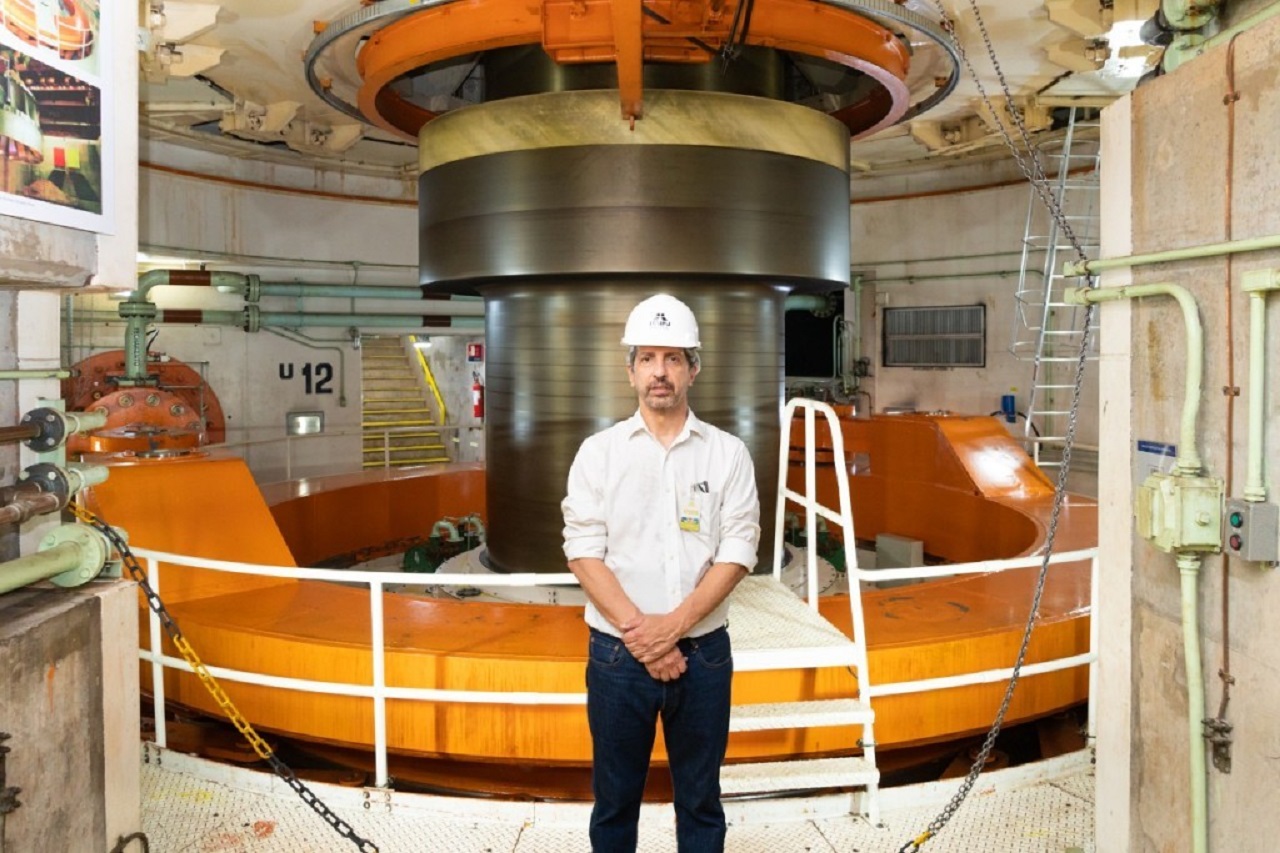
According to Joaquim Leite, Minister of the Environment, during a visit to the Itaipu Plant This Monday (28), a Program Like This from the Federal Government Could Be Expanded Throughout Brazil.
The Biogas and Biomethane Unit Is Already a Reference, as It Demonstrates the Volume of Resources Needed to Transform Organic Waste into Fuel. It Is Also Possible to Notice the Viability of Securing the Best Projects, for Which Banks Already Offer Very Robust Financing Lines.
-
A 180-meter ship with a deck the size of a football field was christened to carry 25,000 tons of giant energy modules around the world.

-
To erect the “Baleia” building on the richest avenue in Brazil, he bought 35 houses, paying with trips to Disney, a truck, and even an apartment, waited over 20 years, and today the complex is valued at R$ 2.5 billion.
-
The land belonged to her great-great-grandfather and was worth R$ 25 per square meter during the pandemic; the couple sold 250,000 m² for the nearly R$ 30 billion project that is transforming the “neighbor of Jericoacoara,” and today a house in the region goes for R$ 4.2 million.

-
Labor shortage reaches the truck drivers’ area: Brazil is already facing a deficit of 120,000 drivers, 65.1% of transport companies feel the impacts, and Mercedes-Benz strengthens training in the face of the new generation of technological trucks.



The Estimated Cost for the Construction of Biogas and Biomethane Plants is R$ 3.5 Million for Each Plant with a Capacity of 9 Tons of Organic Waste. The Calculation Was Presented by Filipe Souza Marques, Director of Technological Development at CIBiogás.
Federal Government Base Plant Has Already Processed 550 Tons of Organic Waste
Since Its Installation in 2017, the UDG Has Processed 550 Tons of Organic Waste from Materials Seized by the Federal Highway Police (PRF), Federal Police (PF), Ministry of Agriculture, Livestock and Food Supply (MAPA), Federal Revenue (RF), and Also Organic Waste from Restaurants.
In Total, 37,000 m³ of Biomethane and Biogas Have Been Produced, Used to Supply 40 Vehicles in the Itaipu Fleet, Preventing the Emission of 3.5 Tons of CO2. According to Leite, the Results of the Unit, Which Will Be Used as a Basis for the Federal Government, Align with the Program’s Objective to Promote the Production of Fuels Such as Biomethane, a Fuel Source for Light or Heavy Vehicles Capable of Being Up to 30% Cheaper Compared to Fossil Fuels.
The Federal Government’s Initiative to Install Plants Also Aligns with the Commitment Undertaken by the Country at COP 26 in November Last Year in Scotland to Reduce Pollutant Emissions by 30%.
Learn More About the Visit to the Itaipu Plant
During the Visit, Leite Was Accompanied by General Luiz Felipe Carbonell, Director of the Plant Coordination, and Besides Visiting the Unit, Made a Technical Visit to the Bela Vista Biological Refuge.
The Minister Highlighted That Itaipu’s Environmental Actions Generate Green Economy, in Accordance with the Commitment to Conservation and Environmental Development, Following the Principles of the Federal Government and the National Green Growth Program Launched Last Year. Leite States That There Is Nothing Better Than Using Itaipu as an Example to Show the World a Huge Model of Renewable Energy Production, Linked to Activities Carried Out Around the Plant for the Green Economy.