Portuguese
  Spanish


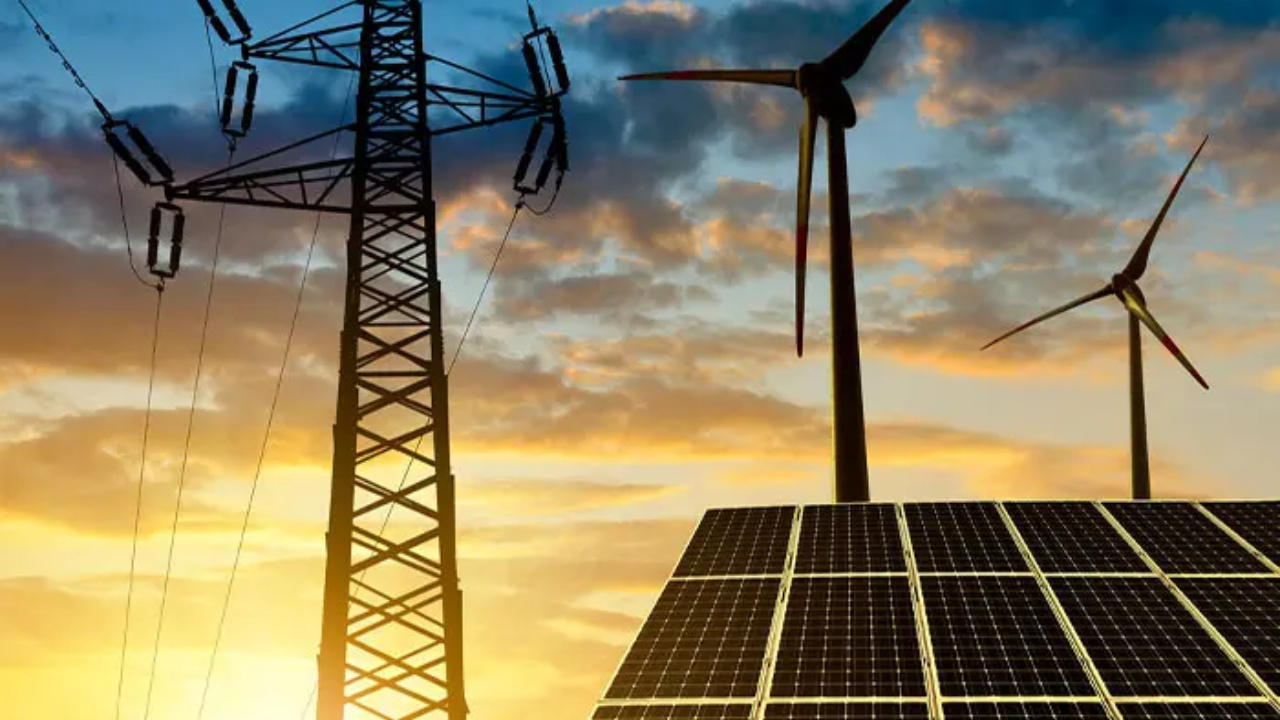

Federal Government Announces Unprecedented Energy Storage Auction to Integrate Solar and Wind Energy, Reduce Waste and Increase Security of the National Electric System.
The rapid advancement of solar energy in Brazil is beginning to require structural solutions capable of ensuring balance between supply and demand.
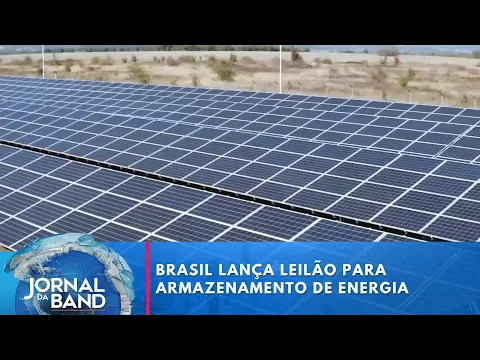
In light of this scenario, the federal government is preparing an unprecedented auction aimed at contracting large-scale electricity storage systems, focusing on large battery parks.
The initiative, scheduled to occur next year, will allow companies to explore the storage service for a period of ten years, starting operation from 2028.
-
Solar Chimney in Spain Harnessed Sun to Generate Electricity for 7 Years Without Burning Fuel

-
Solar energy reaches 55 GW, becoming the second largest power source in Brazil’s energy mix

-
Solar energy can increase property value by up to 10% and become a selling point.
-
Solar and wind energy surpass natural gas for the first time in the world and accelerate energy revolution


This is a strategic measure to keep pace with the growth of renewable sources and avoid significant losses of clean generation.
Waste of Clean Energy Pressures Sector Planning
Currently, the national electric system faces a paradox. Although Brazil has a high production of solar, wind, and hydroelectric energy, a significant portion of this potential is not utilized.
At certain times of the day, generation exceeds demand, which forces the National System Operator (ONS) to impose cuts to avoid overload on the grid.
According to official estimates, around 20% of the entire renewable generation potential was wasted this year.
This volume includes electricity produced by solar plants and wind farms that operate with greater intensity during the daytime, when consumption is still relatively lower.
Auction Seeks to Balance Supply and Demand Throughout the Day
To address this imbalance, the new auction anticipates the installation of large battery systems capable of storing excess generated electricity and releasing it during peak demand periods. Thus, solar energy produced throughout the day can be redistributed during peak hours.

The main usage window for this storage occurs between 6 PM and 9 PM, a period when demand significantly increases, especially in the South and Southeast regions. During this time, residential consumption intensifies, while solar generation has already decreased.
According to Paulo Godoy, director of Institutional Relations at a sector company, the essential role of storage is to ensure the balance of the electric grid. By allowing the transfer of energy between different times, battery systems reduce supply volatility and increase the reliability of the supply.
Moreover, the technology helps to minimize failures and interruptions. For Mateus Henrique Balan, an energy specialist, the final consumer is likely to benefit directly.
According to him, the use of batteries reduces the risk of blackouts and improves the quality of service provided by distributors.
Practical Experiences Already Show Positive Results
Although the auction represents a regulatory milestone, the use of storage is already present in some regions of the country. One example occurs in the South Coast of São Paulo, where a company operates battery systems to serve the local utility.
In this case, the stored energy is released during peak demand periods, ensuring the supply for 21 municipalities.
The experience demonstrates that the model is technically feasible and can be scaled up nationally with regulatory support and long-term contracts.
The impact of storage goes beyond grid stability. In the medium term, technology tends to contribute to lower electricity bills, especially by reducing dependence on thermoelectric plants, which are traditionally more expensive and polluting.
The CEO of a sector company, Giorgio A M de Saint Seigne, claims that replacing diesel generators with systems based on solar energy combined with batteries is already a technically and economically viable alternative, with competitive prices in the current market.
Environmental and Economic Gains Count
The transition from intensive use of thermoelectrics to storage solutions associated with solar energy represents significant environmental gains. Lower emissions and greater operational predictability become part of energy planning.
In this context, Talita Porto, technical-regulatory director of the Brazilian Association of Photovoltaic Solar Energy (ABSOLAR), emphasizes the positive economic impact of the change.
According to her, replacing the most polluting thermoelectrics with batteries, between 2028 and 2030, could generate a reduction in the System Operating Cost of over R$ 2 billion.
It is noteworthy that the Brazilian movement follows an international trend. In recent years, the significant reduction in battery costs has increased their use in various countries, both for system services and to enhance the stability of the electric grid.
Consequently, storage has been adopted for multiple purposes, including improving the quality of supply, integrating intermittent renewable sources, and reinforcing energy security.
In this scenario, solar energy takes on a central role, driving investments and demanding increasingly sophisticated solutions to ensure its full utilization.