






 Portuguese
  Spanish
  3 min of reading


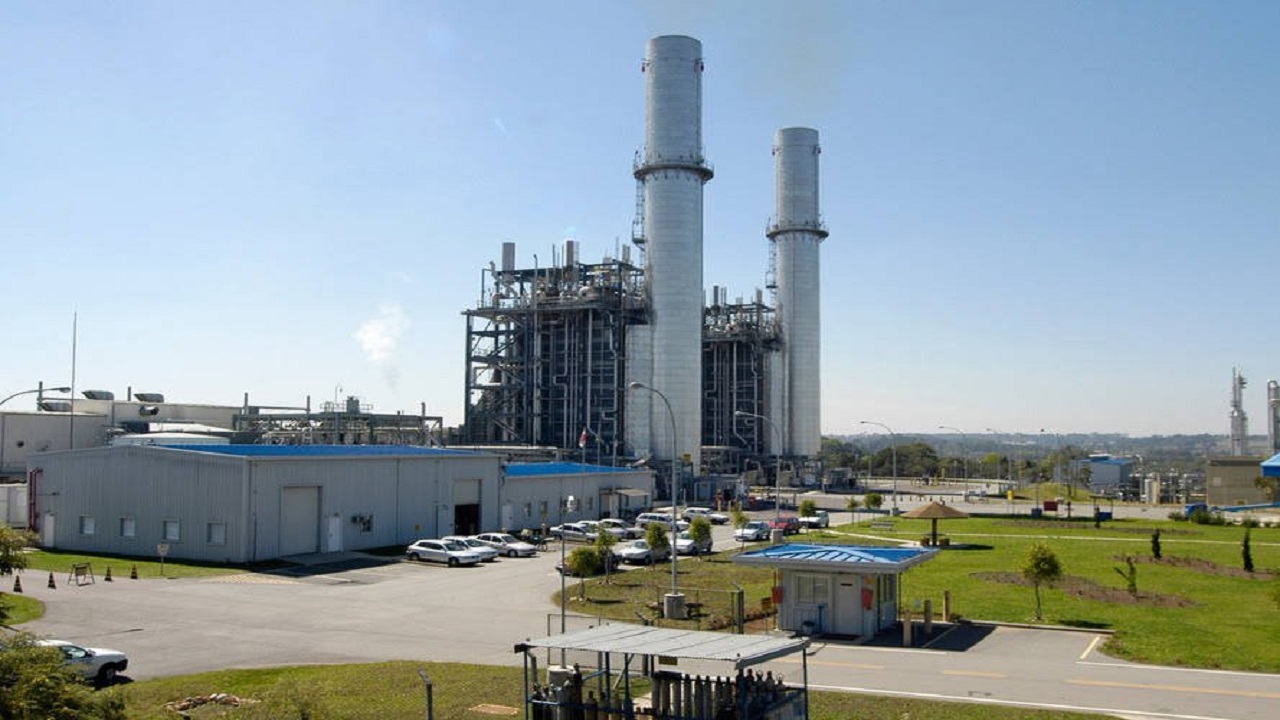
To Strengthen The Brazilian Electric System, Federal Government Will Hire Thermoelectric Plants To Alleviate The Water Crisis
This Thursday (10), the Federal Government, to strengthen the recovery of Brazil’s hydropower reservoirs between 2022 and 2025, approved the hiring of thermoelectric plants that, due to higher production costs, may raise consumers’ electricity bills. The Federal Government’s action, using thermoelectric plants, was taken as a consequence of the low levels of reservoirs in the hydropower plants in the Central-West and Southeast regions, the sources of the Brazilian electric sector, which have reservoirs below 20%, almost at the operational limit.
Read Also
MME Secretary Speaks Out
According to Cristiano Vieira da Silva, Secretary of Electric Energy at the Ministry of Mines and Energy (MME), the lack of rain in the coming months is concerning, and the hydropower reservoirs are around 28% of their storage capacity.
To put it into perspective, if we think of a water tank, 70% of it is empty. It’s a situation that requires a lot of attention, which is why we need to use thermoelectric plants and save energy. Brazil has only two months ahead, so we have until the months of September, October, and November before the characterization of the next wet season.
-
High Interest Rates and Record Defaults Lead to Surge in Vehicle Repossessions and Crowded Car Auctions in Brazil by 2026

-
São Paulo Offers Over 13,000 Job Openings: Opportunities in Industry, Logistics, and More Across the State

-
Brazil’s BNDES Allocates $65 Million to Fund 85,000 E-Bikes for App-Based Delivery Workers, Offering Purchase Discounts and Leasing Options to Boost Income and Improve Delivery Operations
-
JBS Invests Nearly $160 Million in Texas Megaproject to Expand Beef Production and Operations Through 2027


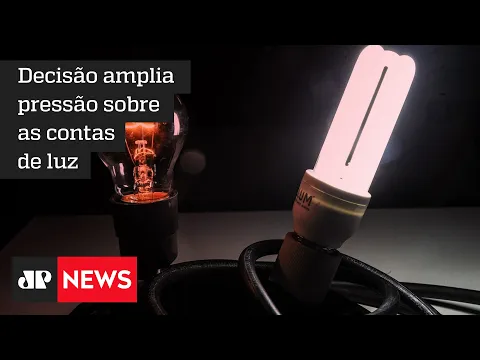
President Jair Bolsonaro, through a live broadcast on Thursday (9), acknowledged the crisis and recommended that consumers save energy at home. According to the president, if consumers can turn off at least one light bulb, they should, as we are going through the worst water crisis in Brazilian history.
In November, everyone is hoping for the rainy season. If it doesn’t come, we will have a big problem. However, it is still possible to contribute right now by saving electricity.
MS Government Waives ICMS on Consumers’ Electricity Bills

This Friday (10), Governor Reinaldo Azambuja announced that he will not charge ICMS on the electricity bill while the water crisis flag persists. Operating since September 1, the new flag developed by Aneel increases the bills for Brazilians, causing each consumer to pay an extra R$ 14.20 for every 100 kWh consumed.
The governor had already decided to eliminate the ICMS, but since Aneel created the new tariff flag, it was necessary for the Government to develop a new project. With this decision, the MS government is waiving at least R$ 36,000 per quarter.
The bill for the tax exemption will be sent to the Legislative Assembly next Tuesday (14). When approved and sanctioned by Governor Reinaldo Azambuja, the bill will benefit all consumers in Mato Grosso do Sul on their electricity bills until April of next year, when the charging of Aneel’s flag ends.
CMSE Imports Electricity From Other Countries
In August, the CMSE, created by the MME, imported electricity from Argentina and Uruguay to avoid rationing and even possible blackouts. In addition to the imports, the use of thermoelectric plants also increased. In July, a total of 2,750 MW was imported from the same countries.
Furthermore, the Federal Government created two voluntary programs, one to reduce energy consumption in industries and the other for residential consumers to use less energy.




Be the first to react!