Portuguese
  Spanish


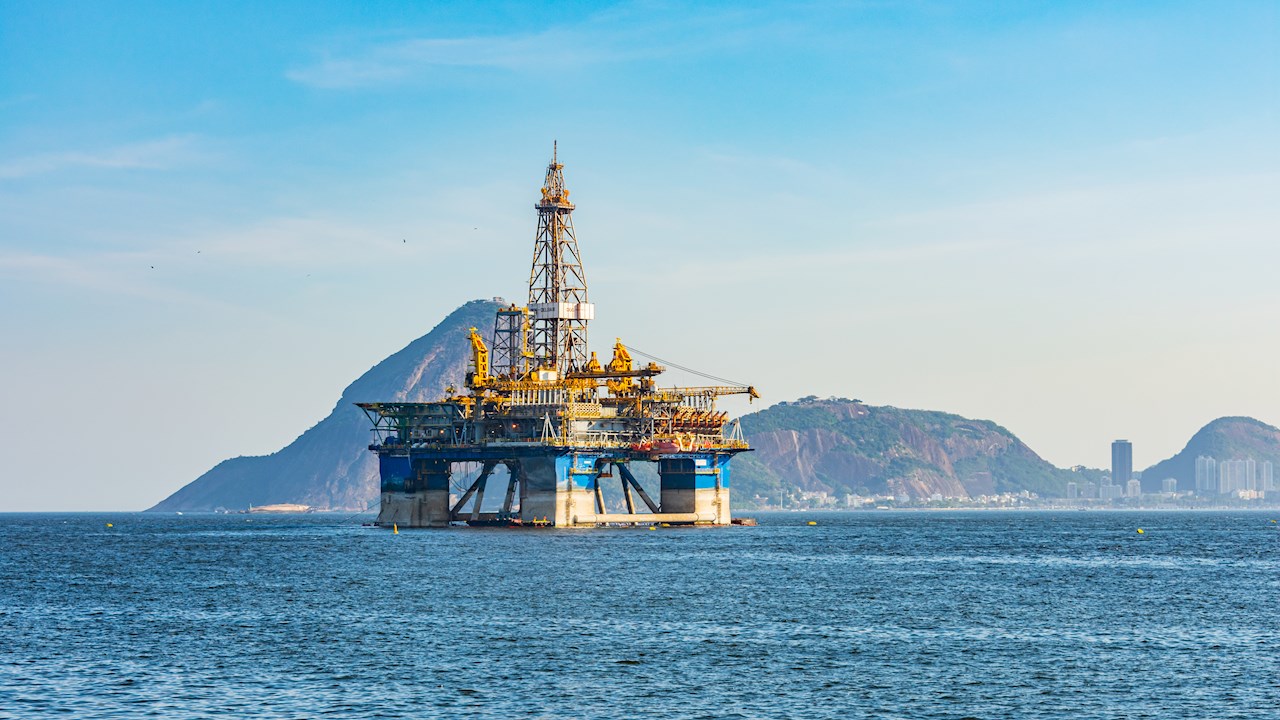

Brazilian Government Revenue From Oil Export Tax Reaches R$ 21 Million in 2023, According to Report Updated in April. Learn More About the Influence of the Oil Sector on the National Economy.
Since March 1st, the federal government has started to charge an export tax on crude oil produced in Brazil. The tax is levied on oil companies at a rate of 9.2%. So far, the revenue is R$ 21 million. The expectation is that the government will collect R$ 6.6 billion from the tax in 2023. This new measure is already causing controversy among the Brazilian population.
Complexity in Taxation
The taxation of crude oil is a complex process involving several stages. The head of the Tax and Customs Studies Center at the Federal Revenue, Claudemir Malaquias, emphasized the difficulty of this process in an interview given on Tuesday (25).
According to Malaquias, Ordinance 85 of the Ministry of Finance established that oil companies have up to 60 days to pay the tax, counted from the date of completion of the product’s shipment abroad.
-
Qantas and Airbus Invest in Company Aiming to Convert Unsorted Household Trash into Jet Fuel

-
Brazil’s ANP Opens 86 New Oil Blocks in the Equatorial Margin, Expanding the Amazon River Mouth Frontier

-
OPEC+ Boosts Oil Supply by 188,000 Barrels per Day in July 2026, Leading to Price Drop from $112 to $89 per Barrel in Under Two Months

-
TotalEnergies Signs 20-Year Deal to Purchase 2 Million Tons of LNG from Alaska, Boosting Project Viability
Impact on the Economy
The export tax on oil can significantly impact the Brazilian economy, as this product is one of the main items for the country in terms of exports. In 2022, crude oil ranked second in the list of the most exported products by Brazil, trailing only soybeans.
Petrobras, one of the largest oil companies in the country, has already declared that it will comply with the new measure and stated that the tax collection will not affect fuel prices in the domestic market.
However, the expectation is that the measure will have impacts on the oil and gas extraction sector in Brazil, potentially discouraging investments in the industry.