Portuguese
  Spanish


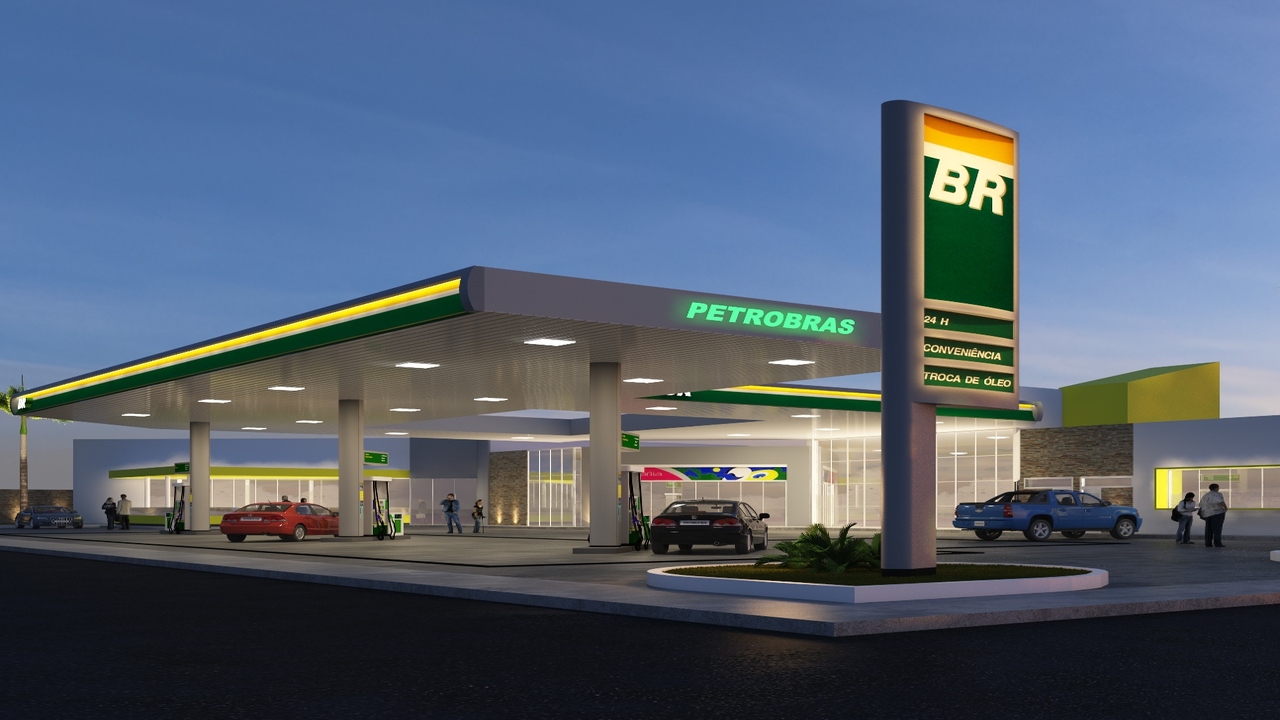

Possible Legal Dispute May Affect Vibra Stocks and Reprivatization Operation.
New Management of Petrobras is considering questioning in court a clause of the privatization of BR Distribuidora related to the granting of the BR network’s service station brand to Vibra, the name that BR Distribuidora received after being privatized in 2019. Under the leadership of President Jean Prattes, Petrobras is evaluating the annulment of the brand concession before the contractual deadline, which is only set for 2031.
New Management of Petrobras Considers Annulment of Concession Before Contractual Deadline
The possible judicialization of the contract is part of the new management of Petrobras‘ plan to start investing again in the refining and fuel distribution segment, which was sidelined by the previous management that sought to reduce assets and focus on oil exploration in the pre-salt.
The privatization of BR Distribuidora began in 2017 with the opening of the company’s capital on the Stock Exchange. In 2019, Petrobras sold shares on the market and lost its position as majority shareholder, retaining just under 40%. By 2021, the oil company disposed of the remaining stake and permanently exited the partnership, completing the privatization process.
-
Qantas and Airbus Invest in Company Aiming to Convert Unsorted Household Trash into Jet Fuel

-
Brazil’s ANP Opens 86 New Oil Blocks in the Equatorial Margin, Expanding the Amazon River Mouth Frontier

-
OPEC+ Boosts Oil Supply by 188,000 Barrels per Day in July 2026, Leading to Price Drop from $112 to $89 per Barrel in Under Two Months

-
TotalEnergies Signs 20-Year Deal to Purchase 2 Million Tons of LNG from Alaska, Boosting Project Viability




Vibra May Be Harmed If Petrobras Creates Its Own Gas Station Network
If the government manages to reverse in court the granting of the BR service station brand before the expected deadline, Vibra, which owns more than 8,000 fuel stations, will no longer be able to use the brand and the green and yellow colors. This could harm the company, as its market participation dynamics are influenced by brand recognition.
If Petrobras decides to create its own gas station network from scratch, it will have a differential: the ability to control the fuel pricing policy while also controlling a distribution network. This could harm Vibra and other competitors, such as Raízen (of the Shell network) and Ipiranga, who are already facing a market with very tight margins.
Petrobras is also studying questioning the privatization of Eletrobras, but this is more difficult due to the “poison pill” clause, which imposes a heavy fine on any shareholder attempting to take control of the company. In the case of BR Distribuidora, a “poison pill” was included in the company’s bylaws post-privatization, but this clause does not require the payment of a fine for those trying to assume control.
Reprivatization of Vibra May Cost Around R$ 8 Billion
To regain control of Vibra and turn it back into BR Distribuidora, the government would need to disburse, at minimum, around R$ 8 billion, since Vibra is worth more than R$ 15 billion on the market. The legal dispute over the BR service station brand may affect Vibra’s stock prices on the Stock Exchange and further reduce the cost of a possible reprivatization operation of the company.
The possible return of Petrobras to fuel distribution could imply higher costs for mergers and acquisitions and investments in the coming years, which could pressure dividend distribution in the short term, as noted in the Goldman Sachs bank report.
In summary, under the new management of Petrobras, the company is evaluating questioning in court the granting of the BR service station brand to Vibra, the company that acquired BR Distribuidora after privatization. The legal dispute may affect Vibra’s stock prices on the Stock Exchange and lower the cost of a possible reprivatization of the company. Petrobras’s strategy to return to fuel distribution may imply higher costs for mergers and acquisitions and investments in the coming years.