






 Portuguese
  Spanish
  3 min of reading
  0 comments


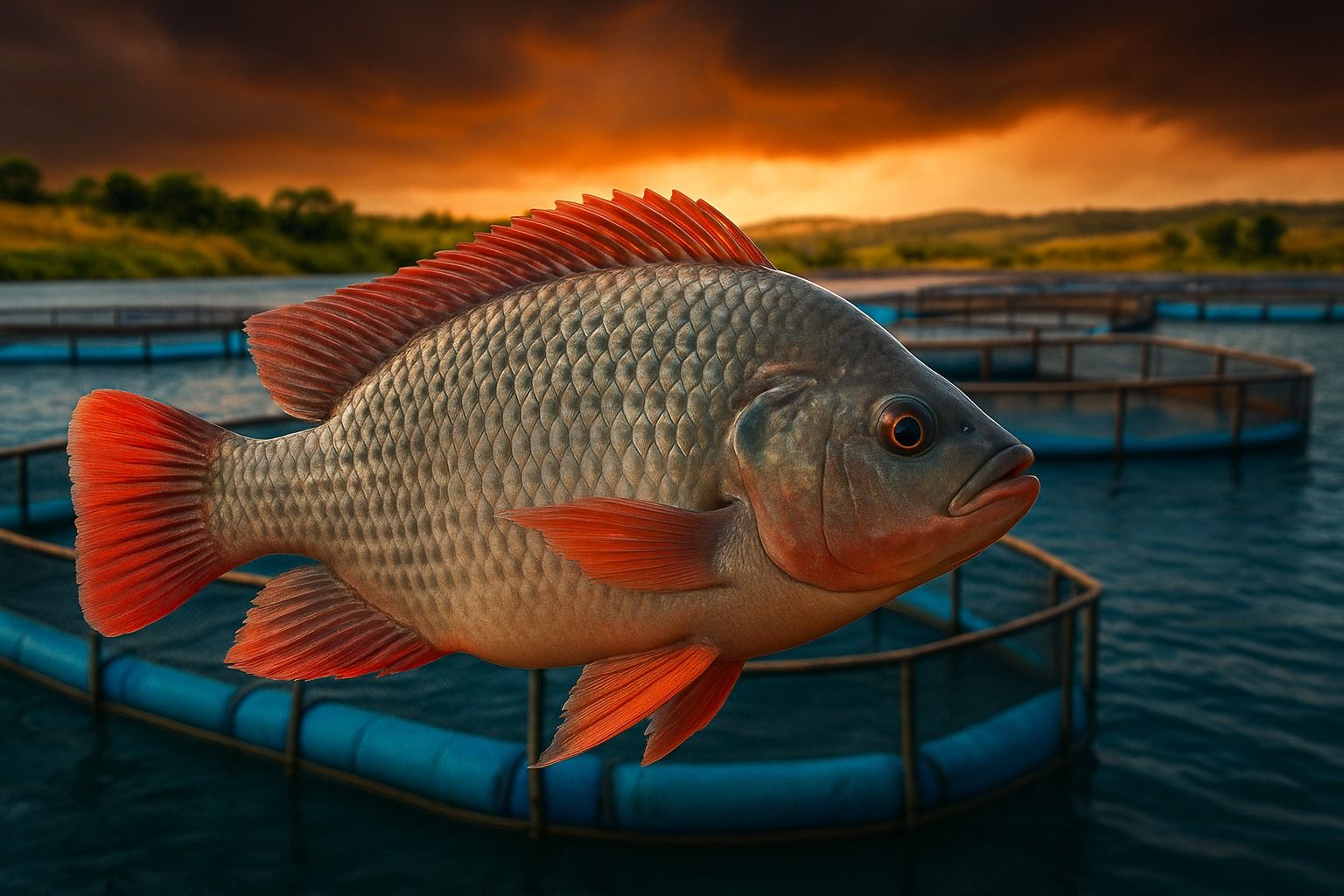
The Productive Sector Reacts With Outrage to the Government’s Proposal to Classify Tilapia as an Invasive Species, Which Could Prohibit Its Cultivation, Halt Exports, Generate Mass Unemployment, and Directly Affect Food Security for Brazilians.
A proposal from the National Biodiversity Commission (Conabio), linked to the Ministry of the Environment and Climate Change (MMA), to include tilapia in the National List of Invasive Exotic Species has provoked a strong reaction in the agribusiness sector.
The measure, which would effectively prohibit the cultivation of the species, has raised profound concern at the Association of Aquaculturists in São Paulo and Union (Peixe SP), which demands the immediate reconsideration of the decision.
The tilapia farming sector currently represents the main pillar of national aquaculture. In 2024, Brazil produced 662,230 tons of the fish, equivalent to 68% of the total fish produced in the country.
-
Organic grape juice from São Roque surprises experts, scores over 90 points in a blind test, and wins a national award after six years of agroecological research.

-
In Matopiba, soybeans have replaced rice and beans, and traditional Cerrado communities that used to grow their own food now have to buy it, while pesticides from neighboring farms reach the springs.

-
Foreign tree planted to combat drought invades more than 1 million hectares of the Caatinga, encroaches on riparian forests, and turns an old solution for the semi-arid region into a silent threat to biodiversity.
-
Invasive weed that withstands extreme heat advances with climate change, threatens crops on several continents, and raises a global alert about a silent plant capable of dominating soils, suffocating native species, and reshaping entire ecosystems.



São Paulo ranks second among the largest national producers.
Legal Uncertainty and Risk of Socioeconomic Collapse
Peixe SP classifies the proposal as a “serious misconception with severe consequences” and warns that the generalized classification of tilapia as invasive threatens a consolidated production chain that generates thousands of jobs and is essential for the food security of millions of Brazilians.
“Any attempt to retroactively restrict this activity would represent a serious violation of legal security and the tenets of good environmental governance,” stated Marilsa Patrício Fernandes, executive secretary of the organization, to Forbes.
The organization emphasizes that the prohibition would represent the criminalization of a legally established sector, with the potential to halt investments and cause irreversible social and economic damage.
Controlled and Legalized Production
At the center of the debate is the need to differentiate modern aquaculture from the uncontrolled introduction of species.
Peixe SP argues that tilapia production in Brazil primarily occurs in controlled and licensed environments, such as net cages in hydroelectric reservoir and excavated ponds.
The cultivation follows legal parameters established by IBAMA Ordinance No. 145/1998, which authorizes the breeding of exotic species in specific areas. The organization reinforces that the retroactive application of new rules would violate acquired rights and jeopardize already licensed enterprises.
With ongoing investments in handling technology, nutrition, and genetics, the sector claims to reduce environmental risks and maintain sustainable production standards.
Peixe SP seeks a technical dialogue with Conabio to avoid what it considers an economic disaster for national aquaculture.
Paraná, National Leader, Fears Profound Impacts
The FAEP System has also expressed concern about the proposal. Paraná leads national tilapia production, accounting for 36% of the national total and 25% of all fish production.
The state’s production chain supports sectors such as feed, slaughterhouses, transportation, and trade, generating over 2,200 jobs and ensuring income for small and medium producers.
The state also leads Brazilian exports of the species, which grew by 94% in value and 68% in volume between 2023 and 2024, highlighting its importance for the local economy and Brazil’s presence in the global market.
Risks for Small Producers and Food Security
Ágide Eduardo Meneguette, interim president of the FAEP System, emphasizes that tilapia has been domesticated and cultivated for over 25 years with Ibama’s authorization. He advocates for public policies that consider the economic and social benefits of the sector.
“The sector is strategic for the economy of Paraná and Brazil, and hasty decisions could compromise the entire production chain and the employment of thousands of families,” he declared.
FAEP also warns that small producers would be the most affected by any potential changes, lacking sufficient time to adapt to new rules. This could result in mass unemployment and directly affect thousands of families who rely on aquaculture for their livelihoods.





-

1 person reacted to this.