Portuguese
  Spanish


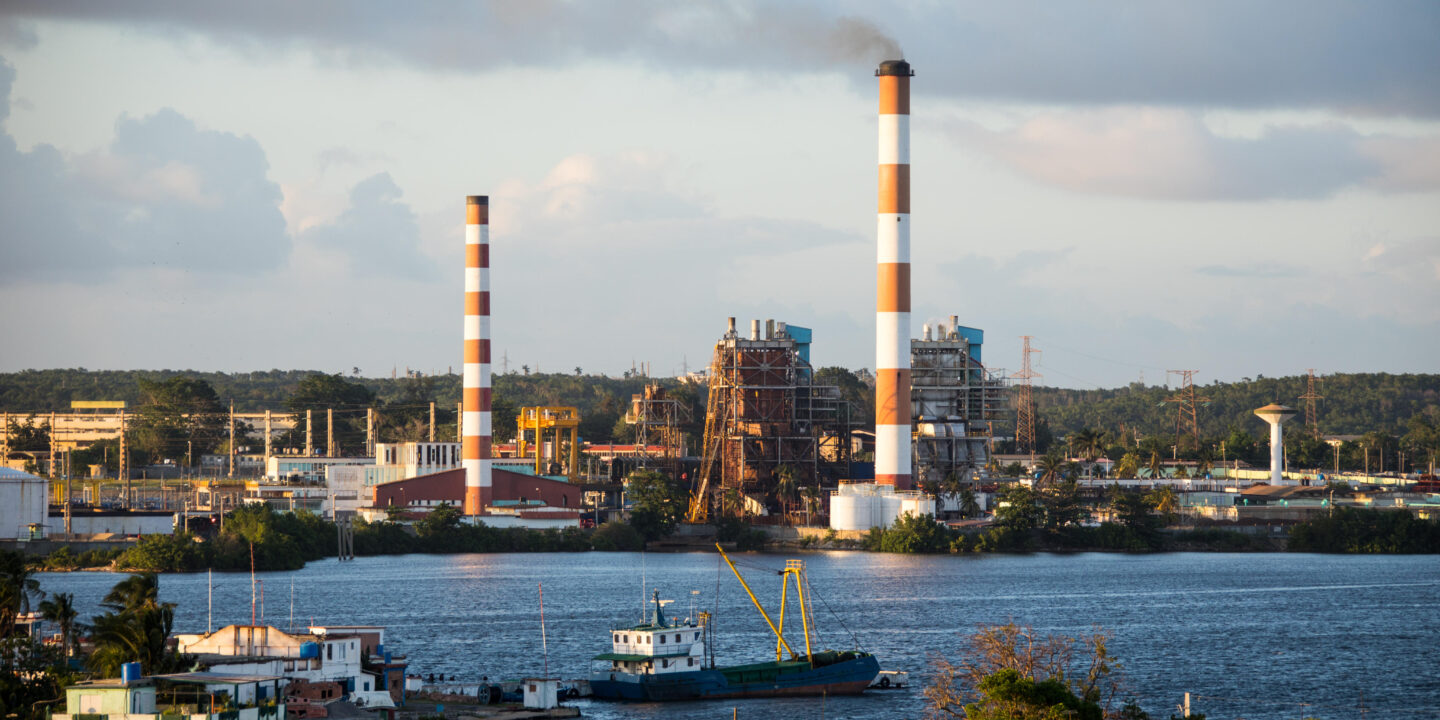

MME Proposes Flexibility of Thermal Power Plants; Nine of Them Meet the Established Criteria.
The Ministry of Mines and Energy presented a proposal to reduce the inflexibility of the thermal power plants contracted in the regulated environment. The goal is to reduce costs and optimize the use of these plants in scenarios of energy surplus in the National Interconnected System (SIN).
The contractual inflexibility in thermal power plants is the minimum amount of energy generation that must be produced according to the Electric Energy Commercialization Contracts in the Regulated Environment (CCEARs), regardless of the decisions of the National Electric System Operator (ONS). This reflects the contractual conditions of the fuel used, which usually has payment clauses independent of consumption, known as take-or-pay.
Public Consultation on Guidelines of the Draft Ordinance
The Ministry of Mines and Energy (MME) has initiated the opening of a public consultation on November 13, which will last for 20 days, aiming to receive contributions related to the guidelines of the draft ordinance. The focus of the consultation is to enable the adoption of new rules by nine plants that are already in commercial operation and were contracted in the regulated environment.
-
Brazil’s ANP Opens 86 New Oil Blocks in the Equatorial Margin, Expanding the Amazon River Mouth Frontier

-
OPEC+ Boosts Oil Supply by 188,000 Barrels per Day in July 2026, Leading to Price Drop from $112 to $89 per Barrel in Under Two Months

-
TotalEnergies Signs 20-Year Deal to Purchase 2 Million Tons of LNG from Alaska, Boosting Project Viability
-
Turkey Deploys Çağrı Bey Drilling Ship to Explore New Oil Frontier Off Somalia’s Coast



The Ministry of Mines and Energy emphasizes, in a technical statement, the importance of reconciling the interests of the system as a whole with sector agents.
In situations where there is an excess of supply from renewable sources, the generators contracted for availability have the option to request a reduction in the inflexibility of the contract for a specified period. This may result in a decrease in the contract revenue in the regulated environment.
On the other hand, the operator of the plant will have the freedom to negotiate or find another way to use the fuel that would originally be allocated for the operation of the plant, without compromising its availability in case of need for the National Interconnected System (SIN) in dispatch situations by the National Electric System Operator (ONS).
The Ministry of Mines and Energy (MME) highlights that this flexibility will allow the operator to generate revenue through the commercialization of the fuel, providing greater flexibility in managing assets, and, in the case of natural gas, may even contribute to increasing market liquidity and potentially create a secondary market in the future.
The reduction in energy generation due to inflexibility will be advantageous for the distributor that contracted the plant, resulting in the acquisition of a smaller amount of energy in the Short-Term Market. This will generate savings for the distributor.
Additionally, the consumers of these distributors will no longer pay part of the fixed revenue of the thermal power plants in the regulated contract, providing a protection against increases in the price of the short-term market. Thus, consumers will be safeguarded against overcharging compared to the ordinary contractual situation.
Definition of Price and Timeframe for Exporting Energy
The value determination will be based on the reduction of Fixed Revenue linked to energy contracts (in R$/MWh). As for the timeframe, a limit of up to two months will be established. Plants that request the export of energy to neighboring countries simultaneously will not be eligible to participate in this process.
This operation would be conducted and managed by the ONS and the Electric Energy Commercialization Chamber (CCEE), supervised by the Electric Sector Monitoring Committee (CMSE), according to specific rules to be developed based on the guidelines of the draft ordinance.
The Ministry of Mines and Energy (MME) noted that the National Interconnected System (SIN) is experiencing energy surpluses due to the favorable condition of the hydroelectric reservoirs and the increase in generation of renewable energies, such as wind and solar. In this context, the thermal plants may be generating energy even without systemic demand.
The MME points out that the existence of energy surpluses can intensify competition among energy generation sources and hinder the full allocation of energy availability to meet energy demand.
According to the ministry, inflexible thermal generation may cause turbine spillages in hydroelectric plants, resulting in the waste of natural resources. Moreover, it can cause restrictions in the output of energy from wind or solar plants, leading to inefficiency for the National Interconnected System (SIN). This becomes even more problematic when we consider that the operational costs of thermal plants are higher than those of renewables.
The goal is to prevent the plants from generating energy inflexibly due to contractual reasons, especially when the electric system is already being supplied by cheaper sources. This avoids the generation of energy from thermal power plants resulting in an excess of energy. Therefore, it is important to ensure that energy generation is adjusted according to the demand of the electric system.
Source: EPBR Agency