






 Portuguese
  Spanish
  3 min of reading
  2 comments


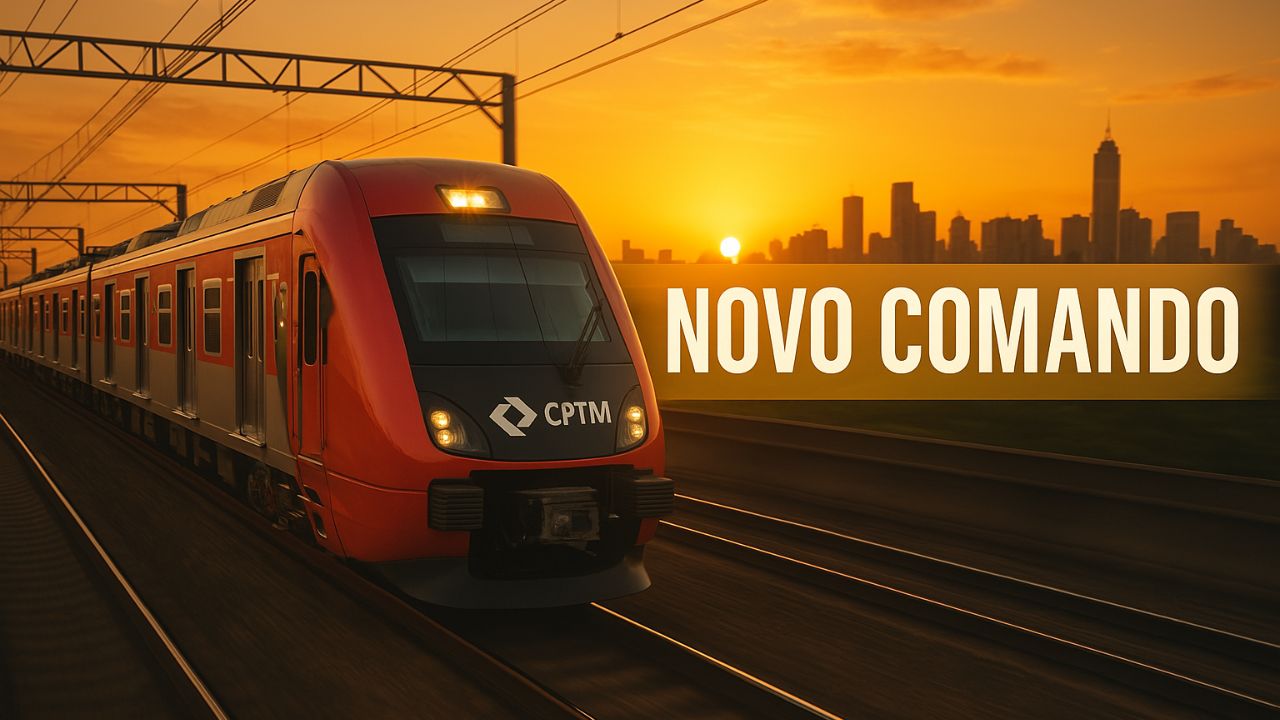


Billion-Dollar Contract Anticipates Expansion, Modernization, and Greater Efficiency in Public Transport of the Capital and Metropolitan Area
The public transport system in São Paulo is undergoing an important transformation. The Comporte Group won the auction for lines 11-Coral, 12-Safira, and 13-Jade of CPTM, taking over the operation of 124 kilometers of tracks that connect the city center to the east zone, Guarulhos, and Alto Tietê. With a 31-year contract and over R$ 14 billion in planned investments, the new concession promises to modernize the system, build new stations, expand the rail network, and generate savings for public finances. This information was published by portals such as InfoMoney, Diário do Transporte, UOL Economia, and IstoÉ Dinheiro.
The auction was conducted by the São Paulo Stock Exchange (B3) and the winner was the Comporte Group, linked to the Constantino family, founders of Gol Linhas Aéreas. The company surpassed CCR’s proposal by offering a discount of 2.57% on the annual compensation of R$ 1.49 billion expected by the state government. According to InfoMoney, the result represents an approximate saving of R$ 1 billion over the duration of the contract. Governor Tarcísio de Freitas celebrated the victory as a decisive step towards requalifying the rail transport system in São Paulo.
Expansion and Improvements to Lines 11, 12, and 13
Among the commitments of the concession are the construction of eight new stations, the renovation of another 24, and the complete reconstruction of four. The 11-Coral line will be extended to César de Souza in Mogi das Cruzes. The 12-Safira line will reach Suzano and have integration with line 11, while the 13-Jade line will be prolonged to Bonsucesso in Guarulhos. According to information from Diário do Transporte, the goal is to conclude all works by 2040, with a large portion delivered in the first seven years of the contract.
-
Why can the crane operator only obey the correct signalman on the construction site: among dozens of workers, a hand raised by the wrong person can confuse the maneuver and turn a load of tons into an immediate risk.

-
What changes with the new public transportation rules that can reduce pressure on fares and pave the way for zero fare in Brazil?
-
Argentina confirms Belgian giant to lead strategic Paraná River waterway and promises to reduce logistical costs on one of South America’s most important routes
-
MBRF surprises the logistics sector by demonstrating how Artificial Intelligence can directly influence deliveries throughout Brazil by reorganizing distribution routes in seconds, optimizing fleet usage, reducing logistics costs, and speeding up product arrivals even in the face of unforeseen road incidents.
Billion-Dollar Investment to Modernize Mobility in São Paulo
The contract anticipates investments of around R$ 14.3 billion in infrastructure, rolling stock, technology, and operations. According to the IstoÉ Dinheiro report, the investments focus on increasing transport capacity, energy efficiency, and passenger safety. The public-private partnership will allow the state of São Paulo to improve the quality of the services provided without compromising direct budgetary resources, while maintaining control over regulation and oversight of operations.
Strategic Lines for Peripheral Areas of São Paulo
The three lines involved in the concession serve areas of high population density, with thousands of passengers dependent on the rail transport daily. The 11-Coral line, for example, is one of the busiest in CPTM and crosses populous neighborhoods in the east zone. The 13-Jade line connects São Paulo to Guarulhos Airport. According to UOL Economia, the expansion of these lines could positively impact urban mobility and regional development in the coming decades.
Comporte Expands Presence and Reinforces Role in National Transport
With the victory in the auction, the Comporte Group consolidates its presence in the Brazilian railway sector. The company already manages the metro in Belo Horizonte and was responsible for winning the São Paulo-Campinas train project. Now, with the operation of part of the CPTM network, the group positions itself as one of the main urban mobility operators in the country. According to InfoMoney, Comporte’s entry into São Paulo’s lines represents a shift in the profile of state public transport management, with greater participation from the private sector.


“O grupo COMPORTE não demonstra um bom tratamento aos seus motoristas rodoviários, oferecendo baixos salários e alojamentos precários, semelhantes a albergues. É questionável se eles estarão preparados para cuidar das linhas de trem. Além disso, os ônibus da empresa frequentemente quebram e as peças são remanufaturadas, o que me faz duvidar da capacidade do grupo em manter a segurança e eficiência de suas operações, especialmente nas linhas de trem.”
Em Novembro Grupo Comporte assume a operação da linha 7, ai veremos o fracasso que será a administração dessa linha sob o comando do Grupo Comporte.
Essas concessões do transporte sobre trilhos visam favorecer os grandes empresários deixando a população em último plano.
Atual governo quer deixar o transporte paulista igual ao do Rio de Janeiro.