Portuguese
  Spanish


IISS Study Reveals Military Spending Exceeds US$ 2 Trillion in 2024, Fueled by the War in Ukraine, Russia, and NATO Investments
In 2024, global defense spending reached a record US$ 2.46 trillion, a 7.4% increase compared to the previous year, according to the Military Balance, an annual study by the International Institute for Strategic Studies (IISS).
This increase represents a direct reaction to the growing geopolitical instability, with conflicts occurring in various regions of the world, especially the war in Ukraine.
To illustrate the magnitude of this figure, defense investments exceed Brazil’s Gross Domestic Product (GDP), which was estimated at US$ 1.8 trillion in 2023.
-
U.S. Navy’s Ticonderoga-class Cruiser Becomes a 9,800-Ton Missile Fortress with Advanced Aegis System Capable of Tracking Hundreds of Targets

-
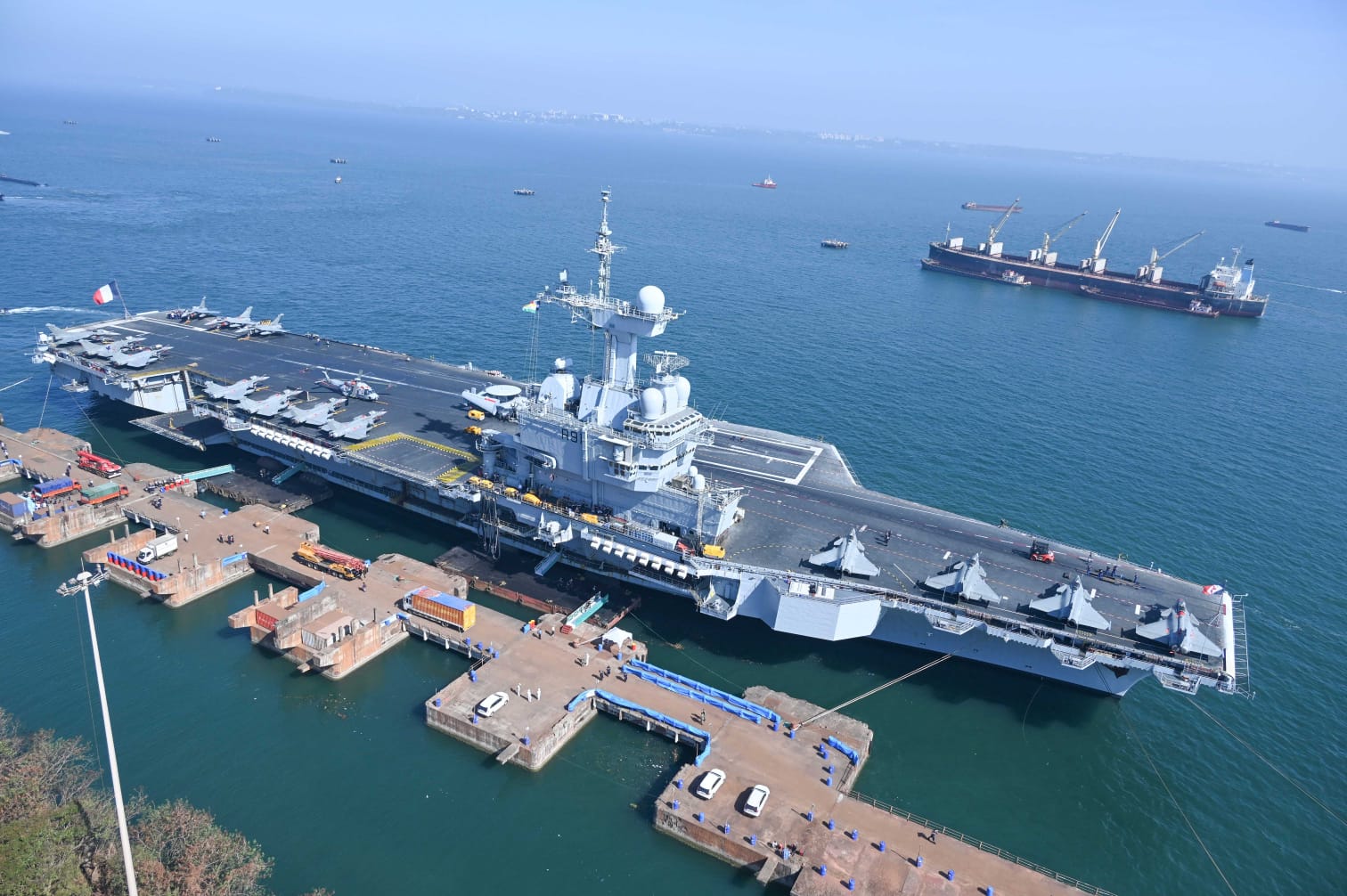
France’s Charles de Gaulle: The Sole Nuclear-Powered Aircraft Carrier Outside the US, Weighing 42,500 Tons and Equipped with Two Atomic Reactors

-
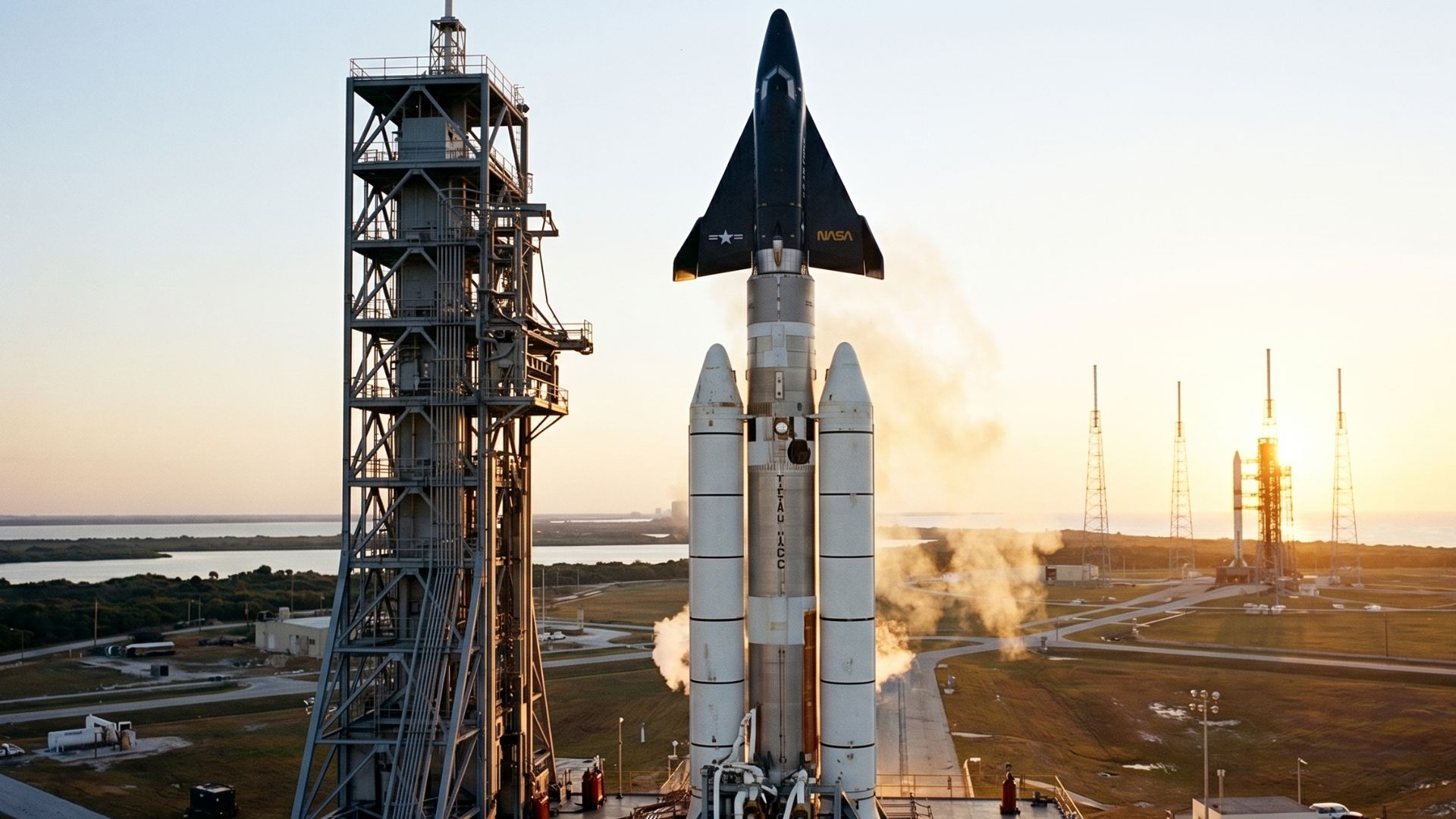
The military spaceplane that almost took the Cold War into orbit: Boeing X-20 Dyna-Soar was designed to re-enter above Mach 20, fly for up to 40 hours, land like a plane, and transform Titan rockets into a gateway to a new era of orbital warfare.
-
FAB bets on national drones and increases investments to strengthen the Brazilian aerospace industry



The War in Ukraine and Its Effects on Global Military Spending
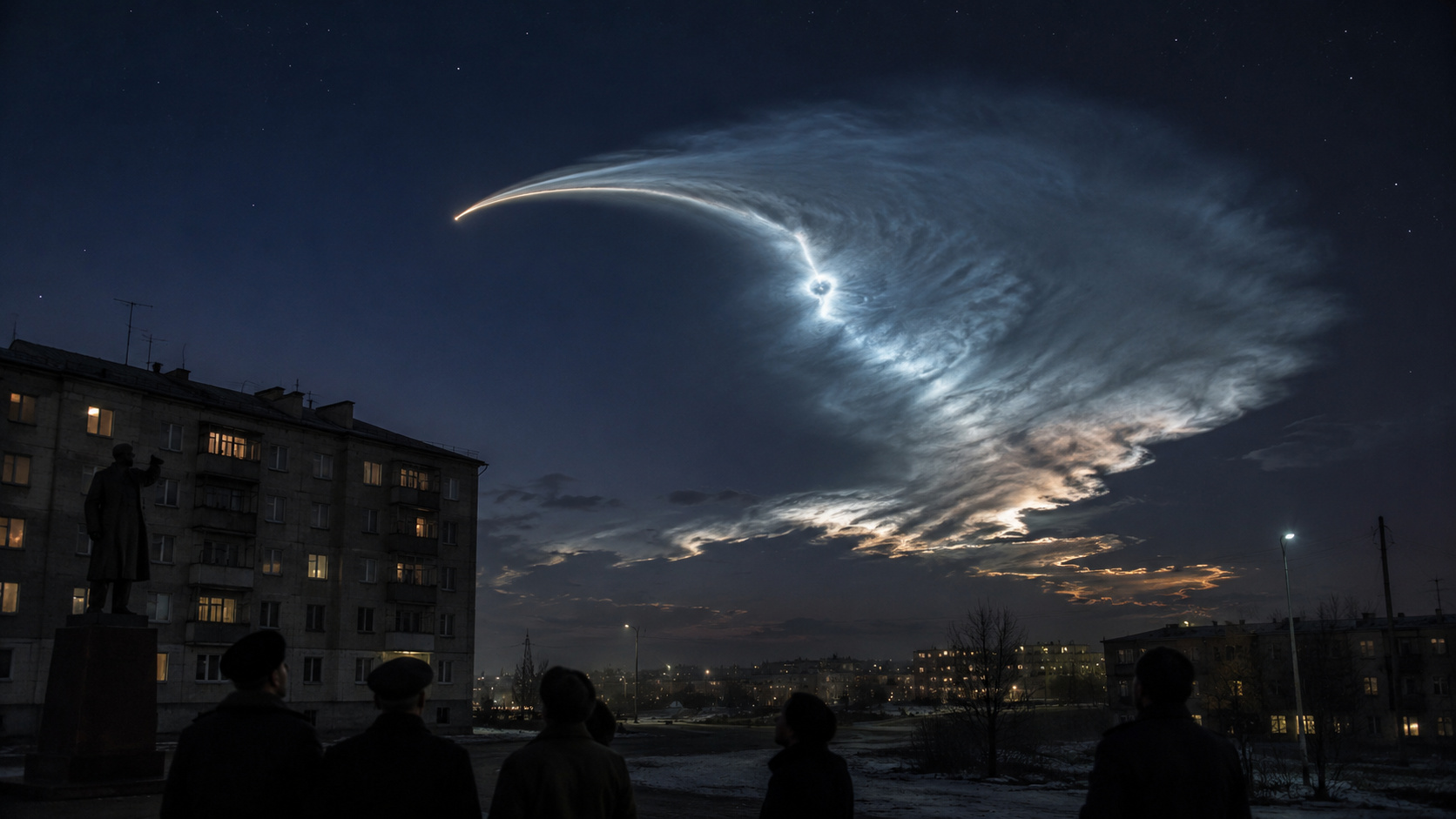
The war in Ukraine continues to be the main driver of this increase in defense investments.
With the conflict ongoing since 2022, countries directly or indirectly involved, such as Russia and NATO members, have been intensifying their military budgets.
In Ukraine’s case, the depletion of its armed forces has been an increasing concern. The IISS study points out that many Ukrainian units are operating with limited resources, hindering their ability to maintain resistance on the battlefield.
Meanwhile, Russia also faces massive losses but still maintains its combat capacity with the support of allies like Iran and North Korea.
The IISS notes that although Russia has suffered the destruction of over 1,400 tanks in 2024, the country can still sustain its war strategy until 2026.
This situation reflects not only the human and material cost of the conflict but also Russia’s relentless quest for new allies to secure its position on the battlefield.
NATO and the Pressure for Defense Investments
The IISS study also reveals that although NATO’s military spending in 2024 totaled US$ 1.44 trillion, many European countries are still far from reaching the 2% of GDP defense investment target recommended by the alliance.
Germany, for example, saw its military spending increase by an impressive 23.2% since the beginning of the war in Ukraine, making it the country with the largest military budget in Europe within NATO.
Poland, fearing a possible expansion of Russian actions, has also significantly increased its budget, now ranking 15th in global military spending.
This trend of increasing defense spending in Europe is directly linked to the perceived threat from Russia and the growing pressure on NATO members to strengthen their armed forces.
U.S. President Donald Trump was one of the main advocates for the requirement that NATO countries meet the 2% of GDP defense target, even suggesting the suspension of military aid to members who do not meet this figure.
Challenges and Uncertainties for the Future
The increase in military investments in 2024 reflects a global scenario of rising uncertainty and insecurity. The war in Ukraine has been one of the primary drivers of this increase but is not the only factor.
Conflicts in other regions, such as the Middle East, have also contributed to the growth in military spending.
This scenario indicates that global powers, such as NATO countries and Russia, are preparing for a prolonged period of strategic competition in the military field.
The future of defense investments will depend on how these countries handle internal and external pressures.
Ukraine, for example, will need to find ways to sustain its war efforts, even in the face of serious resource limitations.
On the other hand, Russia will need to manage its losses and seek new allies to ensure its military survival.