






 Portuguese
  Spanish


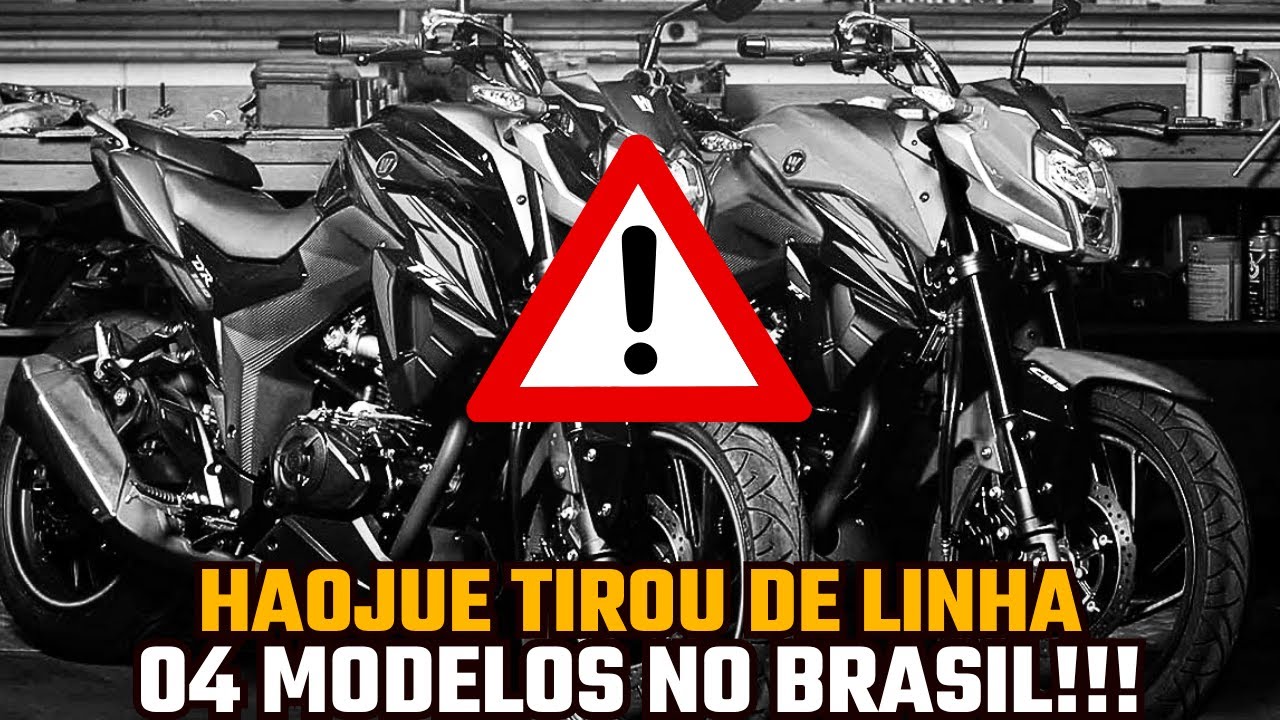


Haojue Discontinues Motorcycles in Brazil and Ends Production of Four Popular Models. Know Why Chopper Road 150, DK 150 Haojue, Lindy 125 and VR 150 Discontinued Leave the Market and What Changes for Brand Fans
The Chinese manufacturer Haojue officially announced the end of production for four of its most popular models in Brazil: Chopper Road 150, DK 150, Lindy 125, and VR 150. This decision represents a significant shift in the brand’s strategy in the country and marks the conclusion of a cycle that helped establish Haojue’s presence among low-cost options in the two-wheel segment.
According to the manufacturer’s statement, the models were removed from the national portfolio as they did not comply with the requirements of the new Air Pollution Control Program for Motorcycles and Similar Vehicles (Promot 5), which comes into effect in early 2025. The brand opted not to update the models to meet the new emission standards, thus ending production of these classic Haojue motorcycles.
Haojue Discontinues Motorcycles: Understand the Decision
The decision by Haojue to discontinue the four emblematic models was driven by regulatory and strategic factors.
-
2027 Toyota Corolla Cross Unveiled: New Design, Enhanced Fuel Efficiency, Reduced Maintenance Costs, Advanced Technology, Connected Services, and Up to 10-Year Warranty

-
Fiat Cronos Precision 2018: Affordable Sedan with Spacious Trunk and Reliable Maintenance
-
Volkswagen to Cut Production by 1 Million Cars by 2030, Reducing Jobs and Platforms, Focusing on More Profitable Models

-
Toyota Launches First 100% Electric Car in Brazil: bZ4X with 343 HP, All-Wheel Drive, 361 km Range, Priced at $419,990 BRL, Limited to 99 Units



The new environmental legislation Promot 5, equivalent to the European Euro 5, demands stricter emission standards, and adapting the current engines would require significant investments in engineering and homologation.

Thus, Haojue discontinues motorcycles that accounted for a significant portion of the brand’s sales in recent years but that had already fallen behind technologically. The manufacturer decided to redirect its efforts to new, more modern projects that are better aligned with current consumer demands and existing legislation.
End of the Chopper Road 150: The Most Affordable Custom in Brazil
Among the discontinued models, the most iconic is undoubtedly the Chopper Road 150. Launched back in 2017 in Brazil, this custom-style motorcycle captured the audience looking for a robust-looking model, comfortable riding position, and affordable price.
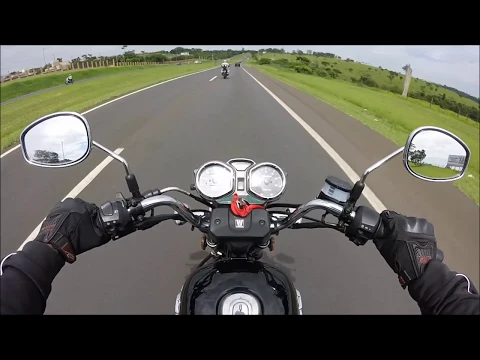
With a 149 cm³ engine, power in the range of 11 hp, and a five-speed transmission, the Chopper Road stood out as a cheap and reliable alternative for urban commuting and even short trips. Its design, inspired by classic American motorcycles, gained good acceptance in Brazil among enthusiasts of low-displacement custom styles.
Despite its popularity, the end of the Chopper Road 150 was already anticipated by experts due to the lack of mechanical updates in recent years and the difficulty in meeting new environmental regulations.
DK 150 Haojue: The Direct Rival of the CG That Lost Space
Another significant loss is the DK 150 Haojue, a model launched to compete directly with market leaders such as the Honda CG 160 and Yamaha Factor 150. This motorcycle always stood out for its cost-effectiveness, good fuel economy, and mechanical durability.
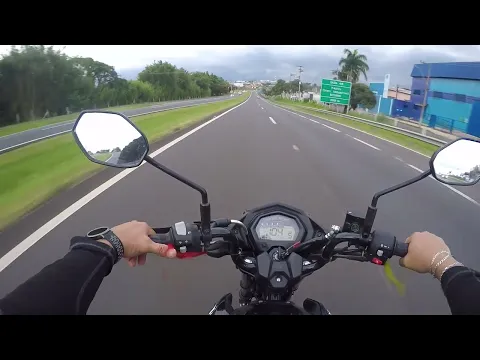
Its 149 cm³ single-cylinder engine provided reasonable performance and low consumption, making it very sought after by motorcyclists who use their motorcycles for work, such as delivery riders and mototaxi drivers. The DK 150 also offered alloy wheels, a digital dashboard, and CBS brakes in its latest versions.
However, the lack of aesthetic and technological refreshes was a decisive factor in the brand’s decision. The DK 150 had not presented major changes since its launch and was not aligned with the demands of the Brazilian market in terms of performance, safety, and connectivity.
Lindy 125 End of Production: Decision After Decline in Sales
The Lindy 125 was the only scooter among the discontinued models. Compact, practical, and low-cost, this motorcycle was one of the most affordable options in its category for many years, being ideal for urban commuting and everyday use.
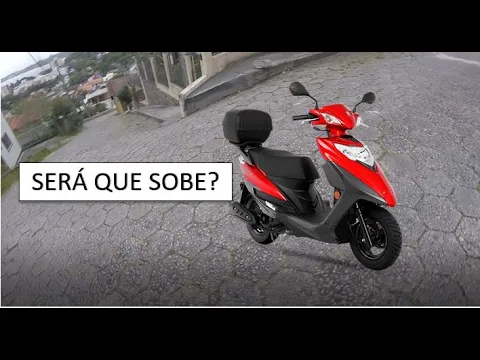
With a 124 cm³ engine, automatic CVT transmission, and small 10-inch wheels, this scooter always attracted primarily female riders and beginners in the world of two wheels. However, in recent years, sales of the Lindy 125 declined, with more modern and powerful competitors like the Honda Elite 125 and Yamaha Neo 125 taking the lead.
Additionally, the model did not meet new environmental requirements and would need to be profoundly restructured to remain on the market — which did not make economic sense for Haojue.
VR 150 Discontinued: Urban Utilitarian Leaves the Catalog
The VR 150 was the motorcycle most oriented for urban and functional use. With a simple design and reliable 149 cm³ engine, it was primarily used by delivery professionals, serving as a more cost-effective alternative compared to models like the Honda Biz and Yamaha Crypton (which is no longer produced).
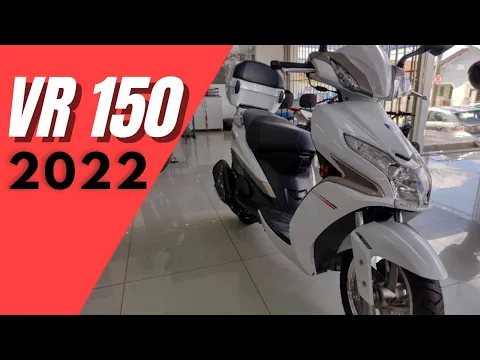
The motorcycle also featured characteristics such as a standard luggage rack and good fuel economy, making it a favorite among corporate fleets and small business owners.
The VR 150 discontinued follows the same logic as the others: lack of technological updates and economic infeasibility for adaptation to new regulations. In an increasingly competitive and regulated market, Haojue chose to streamline its portfolio and focus on more modern and profitable projects.
Haojue and the Impact of Promot 5 on the Motorcycle Sector
The Promot 5, in effect since January 2025, brought important changes in the way motorcycles must be produced in Brazil.
The new phase of the program sets lower emission limits for carbon monoxide, hydrocarbons, and nitrogen oxides, forcing manufacturers to rethink their engines and exhaust systems.
Many brands had already prepared in advance. Honda, Yamaha, and other market leaders launched updated flex engines or adopted more efficient electronic injection systems. Haojue, on the other hand, evaluated that it would not be worthwhile to adapt the old models, resulting in the end of production for Haojue concerning the mentioned motorcycles.
Experts point out that the decision, while impactful, aligns with a larger trend of renewal in the market, which demands energy efficiency, lower pollution, and smarter technologies in two-wheeler vehicles.
What Are the Next Steps for Haojue in Brazil?
With the departure of classic models, Haojue is expected to invest in a new line of products in the country. The brand, which is officially represented by JTZ Motos in Brazil, already has updated electronic injection models, ABS brakes, and greater connectivity abroad — essential points to compete with the giants of the sector.
Behind the scenes, speculation suggests that Haojue will bring middleweight motorcycles and scooters with flex engines and superior performance, aligning with the new environmental and consumer realities in Brazil. For now, the manufacturer has not confirmed the replacements for the discontinued models but has reinforced its commitment to the Brazilian market.
End of Production for Haojue and the Beginning of a New Cycle
The announcement that Haojue discontinues motorcycles such as the Chopper Road 150, DK 150 Haojue, Lindy 125, and VR 150 marks the end of an era for many Brazilian motorcyclists. These models, despite being simple, successfully fulfilled the role of democratizing access to individual transport and were fundamental to the brand’s expansion in Brazil.
The removal of these models reinforces the importance of innovation and adaptation to new regulatory requirements. In an increasingly demanding market, only brands that can adapt will survive — and Haojue seems to have understood this already.
The expectation now is for what comes next. With a streamlined portfolio and a focus on cleaner and more efficient technologies, the Chinese manufacturer is poised to make way for a new generation of motorcycles, ready for the future of two-wheeled mobility in Brazil.








