Portuguese
  Spanish





The Investigation Was Published by CNBC, a Business and Economy News Network, and Shows Why Harvard Business School Highlights Adaptability as a Career Turnaround to Thrive
Flexibility has become a common hallmark among the most successful people in the world, from the corporate top to science. The idea gains traction in a central point that recurs in research and career reports.
The practical reading is straightforward: adaptability can align professional goals and pave the way in changing scenarios, even for those still building their careers.
The theme stands out when Harvard professors discuss what separates high performance from average results, without reducing success to a degree or technical talent.
-
Scientists Develop Method to Store Wind and Solar Energy by Liquefying Air for On-Demand Power Generation

-
Brazilian Engineer Who Grew Up Without Electricity Develops Software, Expands AltoQi to 67,000 Clients, Aiming for $21 Million by Digitizing Brazil’s Construction Industry

-
Spain Launches World’s Largest Floating Dry Dock: 56-Meter Giant Produces Massive Concrete Structures in A Coruña Using Technology Proven in Brazil

-
AI-powered toys that talk, recognize faces, and collect data face scrutiny from Brazilian government over children’s privacy concerns


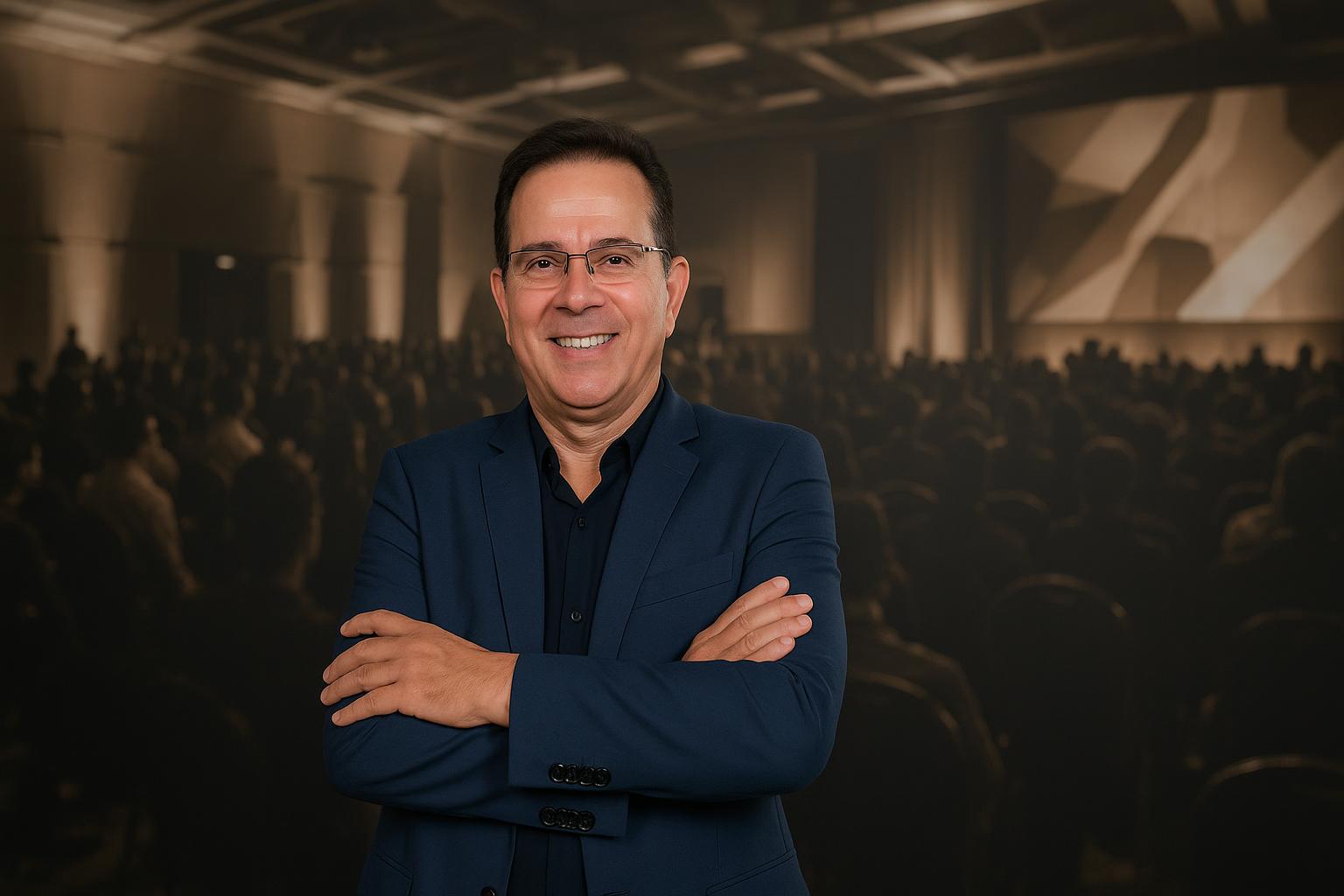


Harvard Business School Places Adaptability at the Center of Professional Game in the U.S.
Joe Fuller, a professor at Harvard Business School, states that flexibility, understood as the ability to adapt, is the most common skill among professionals who reach the top.
The point is not limited to a specific area. The same characteristic appears in profiles with different routines, but with one thing in common: openness to changes and to paths not outlined in the initial plan.
The investigation was published by CNBC, a business and economy news network, with the assessment that adaptability weighs more than confidence or business intuition in distinguishing those who deliver results.
Fortune 500 and Nobel Prize Fit into the Framework Observed by Harvard Professors
Joe Fuller’s work includes decades of observation on what drives careers. In this context, leaders from Fortune 500 and Nobel Prize winners are cited as references for high performance.
The characteristic that stands out is simple to understand and difficult to maintain in practice: not getting stuck to a defined trajectory when the person was still a student or when they started their first job.
This helps explain why unexpected changes can become opportunities, not threats, when the attitude is flexible and oriented to learning.
CNBC Records Joe Fuller’s Quote About Not Being Stuck in a Predetermined Career
The investigation was published by CNBC, a business and economy news network, and brought the professor’s direct statement: “They are not stuck in a predetermined career path that they defined when they were students or when they started their first job.”
The message reinforces a recurring behavior in high-performing professionals: accepting course adjustments, testing possibilities, and dealing with uncertainty without paralyzing.
In practice, this changes the way decisions are made, as the focus shifts from absolute control to the ability to respond quickly to what arises.
Psychologist Iria Reguera Describes Change as Part of the Adaptation Process
Psychologist Iria Reguera, director of the Trendencias website, associates change and adaptation as experiences everyone goes through closely.
She describes change as a push to learn about oneself and confront limits. The statement comes with an important warning: the greatest fear should not be change, but stagnation.
“Changes make you learn things about yourself that you didn’t know, pushing you to your limits,” she explained, adding that “changing and evolving over time can bring us closer to the best version of ourselves that we can be. It is not change that we should fear, but stagnation and rigidity,” the specialist concluded.
Indeed Details What Adaptability Is and Why It Matters at Work
Adaptability is defined objectively in Indeed, a job search platform, which refers to this competency as a soft skill related to flexibility and the acceptance of changes more easily.
The text notes that adaptable professionals tend to thrive in unpredictable environments and can quickly reorganize tasks to handle new information, policies, or procedures.
This perspective helps to take the idea out of the abstract and place it in everyday life: flexibility involves behavior, routine, and rapid responses to changes in context.
What This Skill Can Change in Your Career and Daily Life
The adaptability cited by Joe Fuller appears as a social skill valued in constantly changing environments. The impact is practical: adjusting posture, communication, and teamwork.
At work, flexibility also involves coexistence. Psychologist Adriana de Araújo points out that it is not enough to execute tasks well; adapting to colleagues plays a part in success.
“Work relationships become even easier when we pay special attention to two points: the ability to relate well and effective communication. Relating well with others makes people feel important. It’s nice to be recognized and valued for what you do,” the psychologist clarified.
The idea connects to the Harvard professor’s warning: fear of making mistakes hinders growth. “We cannot grow in the workplace if we fear failure, and learning to adapt quickly is one of the best skills that can lead us to success today.”
The skill highlighted by Harvard Business School reinforces a possible pathway for those who want to advance: accept changes, learn in the process, and use flexibility as a competitive advantage.
If you have ever experienced a career turnaround, share in the comments how it went. Share this publication with someone who needs to unlock the next steps.