Portuguese
  Spanish


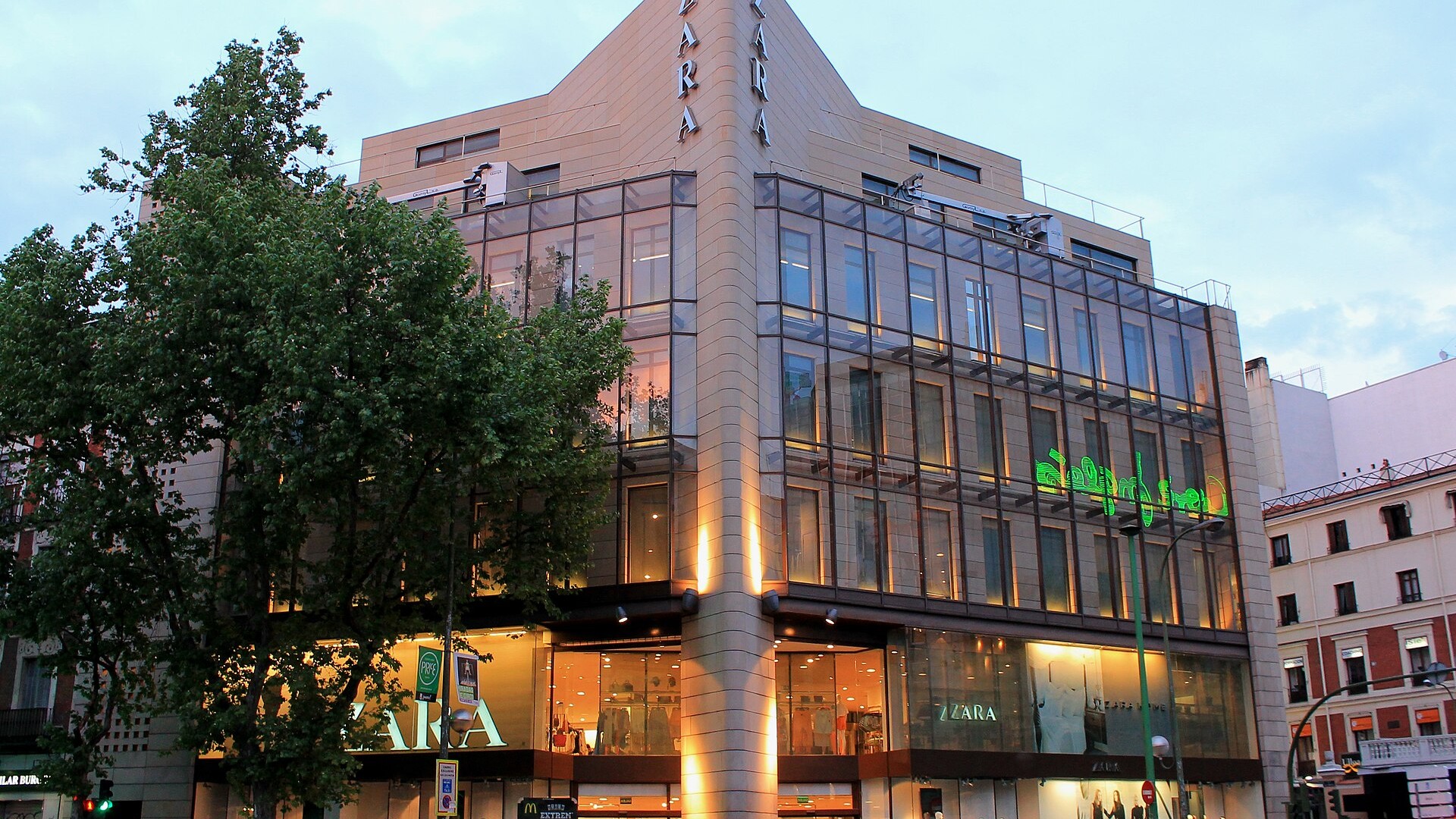

Son of a railway worker, Amancio Ortega opened the first Zara in 1975 in the city of A Coruña and transformed the brand into the heart of Inditex, the group of seven fashion brands that dresses the planet and made him one of the world’s biggest billionaires, according to Forbes
Few names move as much money as that of a man whom almost no one recognizes on the street. The owner of Zara makes a point of disappearing from photos, but the empire he built is on almost every shopping mall corner. According to Forbes, in 2026 Amancio Ortega, aged 90, appears among the ten richest men on the planet, with an estimated fortune of over US$ 100 billion, built at the helm of Inditex, owner of Zara. A fortune built by selling clothes, piece by piece.
The origin of this fashion giant had nothing glamorous. Born on March 28, 1936, son of a railway worker, Amancio Ortega left school around the age of 13 to work as a delivery boy and assistant in clothing stores in the city of A Coruña, in the northwest of Spain. It was behind the counter, and not in a college, that he learned the trade, in a modest village in Spain where the family had little.
From store assistant to founder of Zara
The leap from employee to owner came gradually, by sewing. Before Zara, Amancio Ortega began manufacturing clothing items, such as quilted robes, alongside his then-wife, Rosalía Mera, and the duo opened the first Zara store in 1975, in A Coruña. The idea was simple and revolutionary: bring the factory closer to the store to quickly respond to what the customer wanted.
-
He sweeps the street, collects discarded PET bottles, and transforms the plastic into PET brooms and clothesline rope: the recycling business of street cleaner Giorggio, in Paraíba, earns more than R$ 7,000 per month.

-
He spoke his first word at seven months and read an entire book aloud before the age of two: now the boy genius Joseph has become the youngest member in the history of Mensa, the club for the gifted.
-
Known as Nelita da Farinha, she wakes up at 4 a.m., goes to the fields to see the cassava being harvested, and runs a flour production business in Acajutiba, Bahia, which has become a heritage.
-
Self-employment already includes 26 million Brazilians, and cases like that of the photographer who swapped a fixed salary of R$ 1,500 for selling Polaroid photos in a park — earning up to R$ 800 in a weekend — show how the creative economy and MEI have become a source of income in the country.




This model became the engine of an entire group. From Zara, Amancio Ortega built Inditex, a holding company that brings together seven fashion brands, including Massimo Dutti, Pull & Bear, and Bershka, according to Forbes. Zara stopped being just a store to become the flagship of one of the largest retail machines on the planet.
The fast fashion model that made Amancio Ortega’s fortune
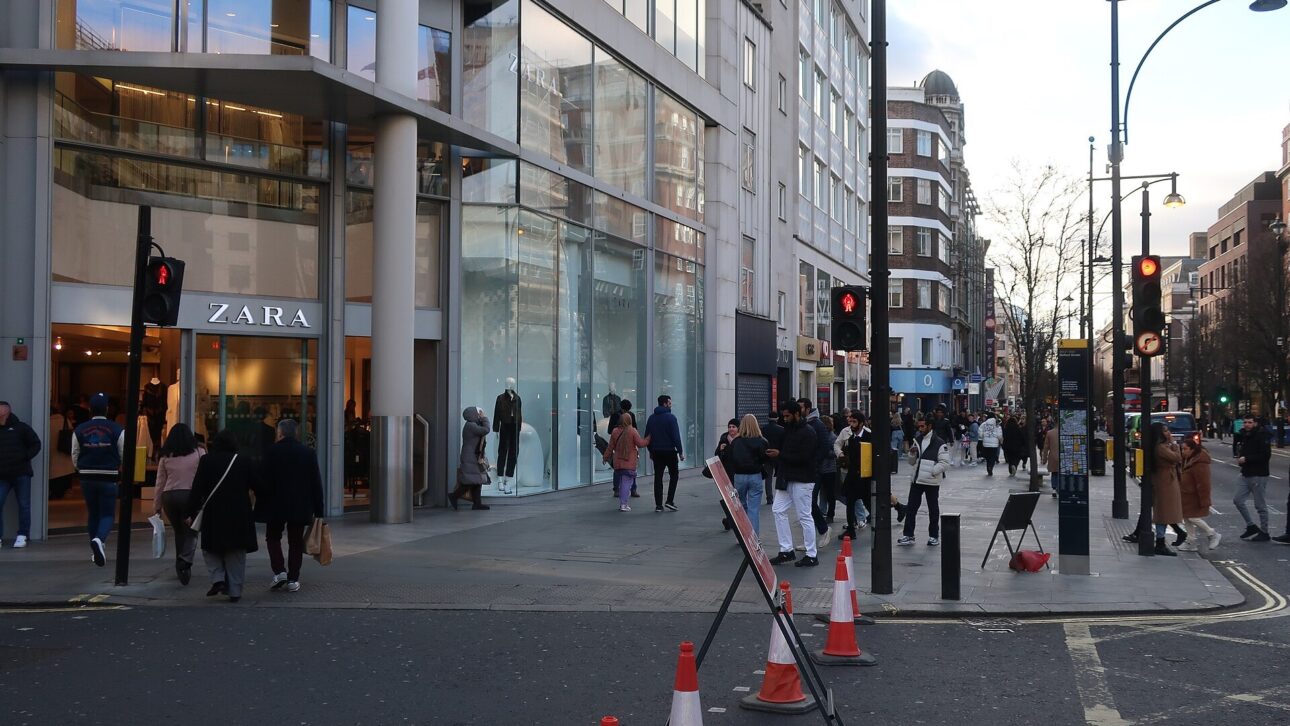
It’s worth explaining why Zara changed the game, in this editorial reading, duly highlighted. Before it, a piece took months from the drawing board to the store rack. The model that Amancio Ortega helped create, later named fast fashion, shortened this time to weeks: Zara began to copy runway trends and put them in stores almost in real-time, in small batches that are constantly renewed. This is what makes the customer return often, fearing the item will sell out.
This secret has an industrial basis, still in highlighted reading. Unlike competitors who produce everything in Asia and take a long time to restock, Inditex kept a good part of production near Europe, allowing quick reactions to sales. Each store functions like an antenna: what leaves the rack becomes data, the data becomes an order, and the order becomes new clothes on the shelf in a few days. It’s logistics as much as fashion, and this is what multiplied Amancio Ortega’s fortune.
The billionaire who avoids cameras
If the brand is famous, the owner is the opposite. Amancio Ortega became known for avoiding interviews and public appearances, to the point where his face is unknown to a good part of Zara’s customers, and for maintaining a discreet lifestyle compared to other billionaires. He preferred to be invisible while the brand became ubiquitous.
This discretion coexists with enormous economic power, in observation of this editorial, duly highlighted. While many billionaires enjoy the spotlight, Ortega built his fortune away from it, letting Zara speak for him. For the consumer, the result is curious: millions of people wear clothes designed by the empire of a man they would never recognize in an airport line. The brand became a celebrity, the owner remained anonymous, and this exchange was always his choice.
Inditex: one of the largest retail machines in the world
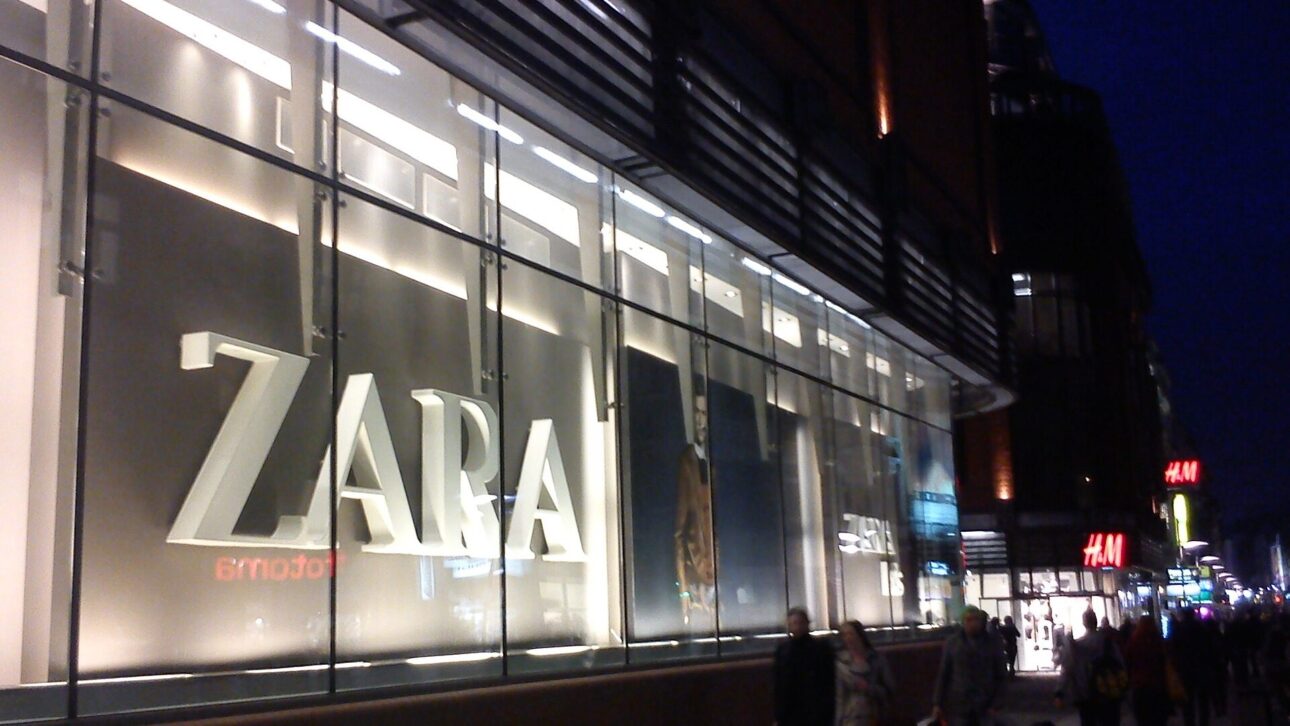
The size of the group led by Ortega helps to understand the fortune. According to Forbes, Inditex, owner of Zara, comprises seven fashion brands and operates thousands of stores worldwide, and Amancio Ortega still controls a large part of the business, receiving billions of euros in dividends every year. It is one of the largest clothing retail networks on the planet.
It is worth translating what this size means in practice, in reading this editorial, duly signaled. A group with this number of stores moves a gigantic chain of fabric, sewing, transportation, and display, and each new collection is a logistical operation on the scale of a multinational. Brands like Zara, Massimo Dutti, Pull & Bear, and Bershka reach different audiences, from basic to more sophisticated, which makes the group present in almost every type of pocket, with stores in shopping malls and shopping streets worldwide. It is this combination of scale and variety that has transformed Inditex into a clothing-selling machine and, in turn, the foundation of Amancio Ortega’s fortune.
What Amancio Ortega’s story teaches about the fashion industry
More than the figure, the case shows how fashion has become a heavy industry, in observation of this editorial, duly signaled. Zara proved that cheap clothes, changed every week, move billions, and this model has reshaped global retail, for better and for criticism, as fast fashion is also accused of encouraging excessive consumption and waste. Understanding Amancio Ortega’s fortune is understanding why today the clothes in the display change faster than the season of the year.
And there is a message that serves Brazil, still in signaled reading. The country is one of the largest fashion markets in the world and faces the same dilemma: the attraction of low prices and constant novelty of fast fashion on one side, and the pressure for more conscious production on the other. The trajectory of the owner of Zara, from store assistant to owner of a fashion empire, is the portrait of an industry that learned to turn speed into money.
There is also a lesson about the power of the business model, still in signaled reading. Ortega did not invent clothing or the store; he invented a faster way to connect one to the other, and it was this time engineering that took him to the top. When the Brazilian consumer enters a Zara and finds different pieces every two weeks, they are facing the visible tip of a machine that the Spaniard spent half a century refining. Few businesses translate so well the idea that, in today’s fashion, those who control time control profit.
Watch: how Zara built Amancio Ortega’s empire


To understand the mechanism behind the fortune, a video helps. The channel Passo a Passo Empreendedor published a video about the billionaire founder of Zara and one of the richest men in the world, showing how the fast fashion model transformed a store in A Coruña into Amancio Ortega’s group, the same business model described by Forbes. Tell us in the comments: are you a Zara customer and did you imagine that the owner had this story?