Portuguese
  Spanish




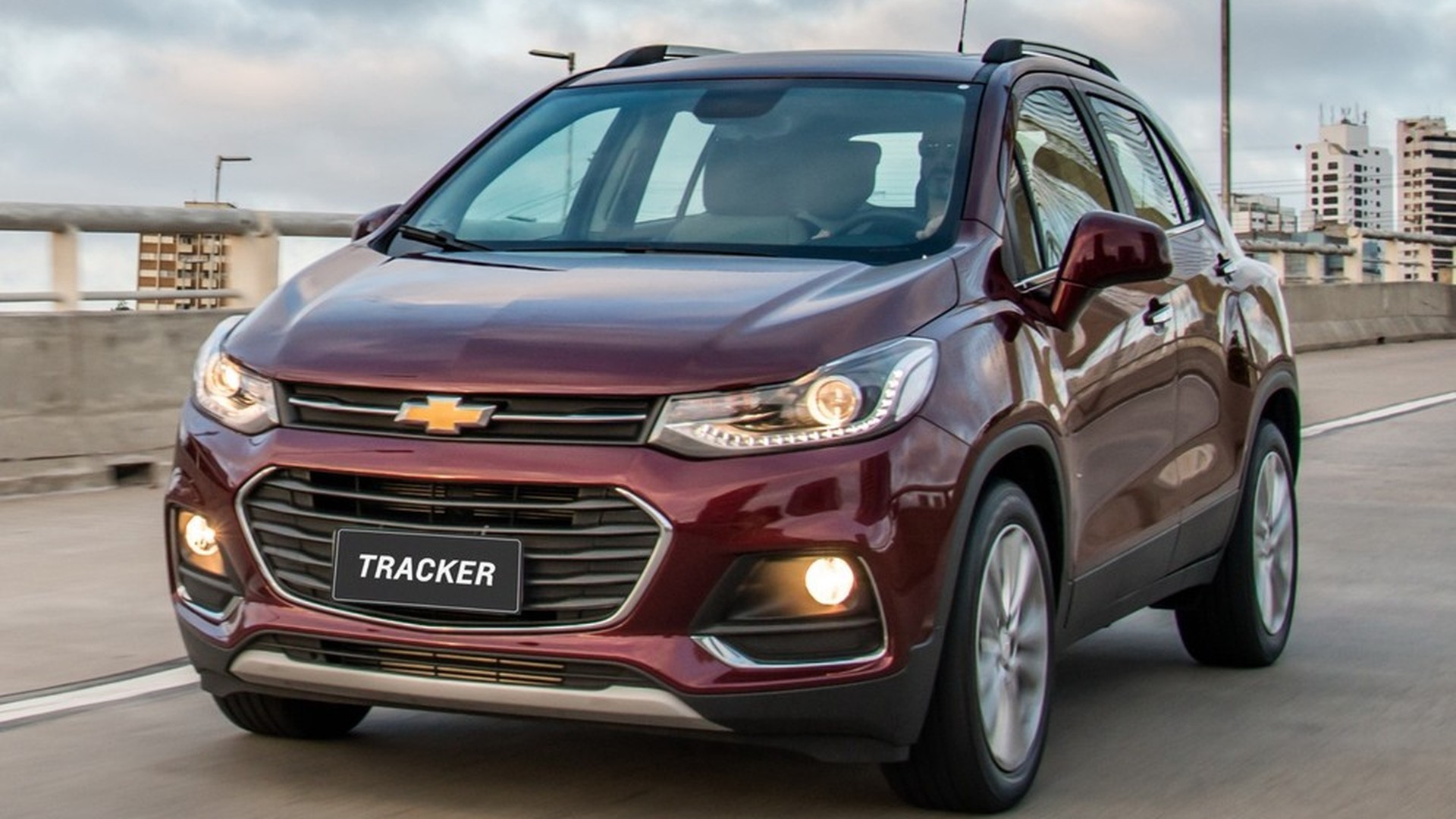
In the new vehicle market, the taxi driver has become one of the most coveted customers for manufacturers because they buy frequently and renew their fleet; the combination of factory discounts with tax reductions lowers the price of a new car by more than 30% and also pushes the category towards flex, hybrid, and electric models
In the Brazilian automotive industry landscape, there is a customer that manufacturers are eager to please: the taxi driver. They frequently change cars, drive all day, and when buying, they gather a stack of discounts that no one else has. According to Diário do Comércio, in a report from July 11, 2026, taxi drivers can get reductions that may exceed 30% of the final price of a new car, combining the special conditions from manufacturers with the tax exemptions of the category. They are the customer who gets the new vehicle for half the traffic of the full price.
This discount of more than 30% arises from a combination that only the category can access. The reduction combines the direct discount negotiated with the manufacturer with the exemption of two taxes that weigh on the new car, the federal IPI and the state ICMS, reports Diário do Comércio. It is the sum of these layers that makes the price of a new vehicle plummet for the taxi driver.
Why manufacturers compete for taxi drivers
For the industry, selling vehicles to the taxi market is a great business, according to this editorial, properly highlighted. The taxi driver is a recurring buyer: while the average consumer changes cars every many years, those who drive professionally renew their vehicle frequently because wear and tear is greater and the car is a work tool. Securing this customer means a constant sales turnover, and that’s why manufacturers create tailor-made packages for the category.
-
It seems impossible, but farmers in Tunisia plant potatoes on sand surrounded by saltwater, use rain and tides for irrigation, and harvest up to 30 tons per hectare.

-
Without industrial fertilizers or pesticides, farmers in Peru are reclaiming 3,000-year-old fields that use water to warm crops during frosty nights at an altitude of 3,800 meters.
-
While imposing a 25% tariff on Brazilian products, the Trump administration is visiting 9 cities in Brazil to convince companies to open operations in the US and turn commercial pressure into an offensive to attract investments, factories, and branches to the American market.

-
A person from Minas Gerais started as an intern at a technology company, left convinced they wouldn’t return, created their own consultancy, and came back as a partner before becoming president and increasing the revenue from R$ 25.6 million to over R$ 100 million.





The competition for this buyer is open, and the names are big. According to Diário do Comércio, Chevrolet, Fiat, and Honda offer additional reductions in direct negotiations with taxi drivers, and electric vehicle manufacturers like BYD have also opened special conditions for the category. Each factory wants to be chosen when renewing the fleet, and the factory discount is the bait.
What makes the price of a new car

Before looking at the discount, it’s worth understanding why a new car is expensive in Brazil, as observed by this editorial, duly noted. A large part of the value of a new vehicle is tax. The IPI, charged in the industry, and the ICMS, charged on the circulation of goods, are embedded in the price that the consumer pays at the dealership. When these two taxes are waived for the taxi driver, what remains is the cost closer to the vehicle itself, and that’s why the reduction is so significant.
The calculation helps to see the magnitude of this, still in noted reading. For a new car costing R$ 100,000, a 30% discount means R$ 30,000 less, the price of an entire used economy car. It’s not a dealership giveaway; it’s the difference between buying one vehicle or almost two. And since the benefit applies to any model within the engine capacity limit, the taxi driver applies the reduction from an entry-level sedan to a mid-size SUV, which broadens the sales range for manufacturers.
The taxi fleet is moving towards hybrid and electric
The most interesting point for the sector is the type of car that the category is starting to choose, as noted by this editorial. The taxi driver’s calculation is not just the purchase price, but also the cost of running, and that’s where fuel comes in. A more efficient, flex, hybrid, or electric new car costs less per kilometer, which makes a huge difference for someone who spends the entire day behind the wheel.
This calculation is redesigning the fleet, still in noted observation. Electric car manufacturers, like BYD, targeted taxi drivers precisely because the professional drives a lot and feels the fuel savings in their pocket. An electric or hybrid vehicle costs more on the price tag, but the lower spending on energy and maintenance pays off over the years of work. That’s why the taxi stand has become one of the gateways to electrification in Brazil: taxi drivers are the ones who have the most to gain by switching from expensive fuel to a more economical car to refuel.
Move Brasil and the credit to renew the fleet
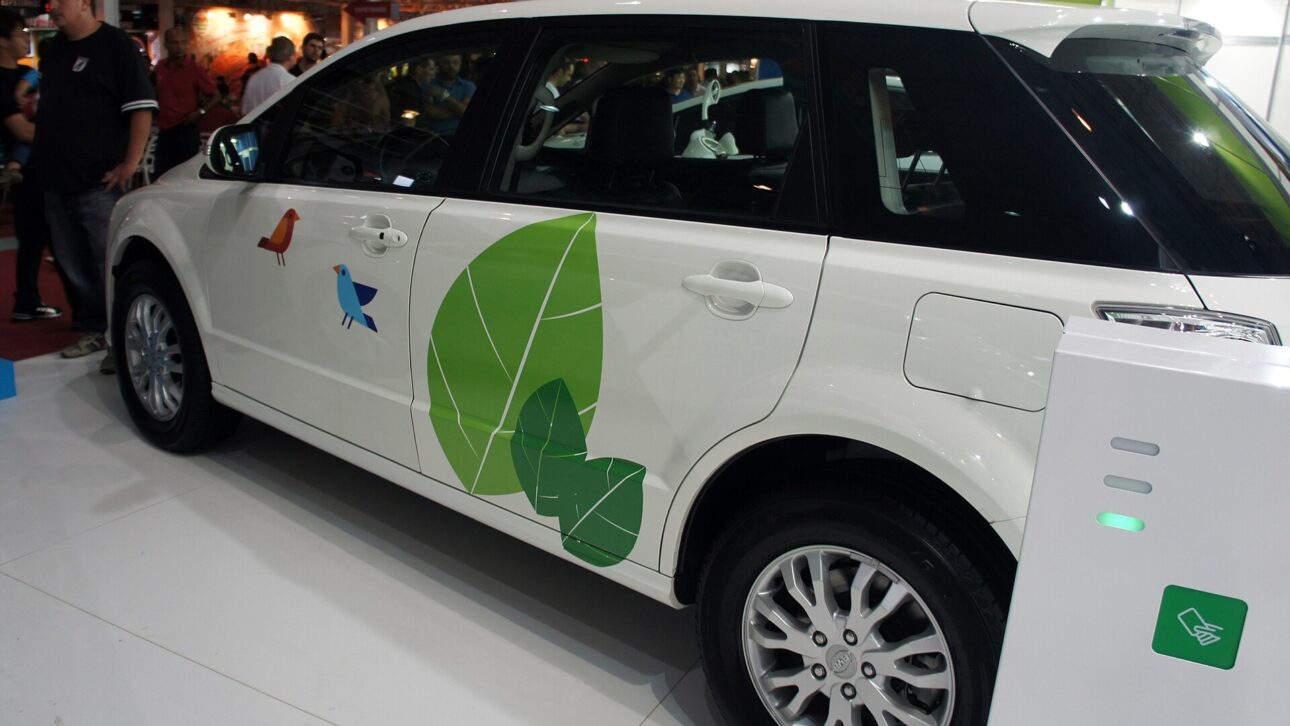
The fleet renewal depends on financing, and there is a specific line for this. According to the Diário do Comércio, the Move Brasil program allows taxi drivers to finance flex, hybrid flex, or electric cars up to R$ 150,000, with interest rates from 0.91% to 0.99% per month, a term of up to 72 months, and a grace period of up to 6 months for the first installment. It’s credit designed to push new vehicles into the market.
This package completes the cycle of new car sales, as observed by this editorial, duly noted. On one hand, the factory discount and reduced taxes lower the price; on the other, Move Brasil offers interest rates well below common financing and even provides half a year of breathing room before the first installment. For automakers, it’s the guarantee that the taxi driver can pay for the new vehicle; for the driver, it’s the chance to change cars now instead of delaying the purchase for years. And the fact that the line prioritizes hybrid and electric vehicles shows where the industry and market are pushing the fleet: more economical vehicles to operate.
Why this story is about the new car market, not just about taxis
The benefit is for the category, but the picture is of the entire sector, as observed by this editorial, duly noted. When the taxi driver combines factory discounts and zeroed taxes and achieves more than 30% off a new car, it becomes clear how much of the price of a new vehicle in Brazil is composed of taxes and margins, and not the real cost of the car. It’s a window to understand the price formation in the automotive industry, one of the sectors that weigh most on the Brazilian economy. What the taxi market shows, in essence, is the size of the difference between the factory price and the showroom price. Tell us in the comments: did you imagine that the category discounts reduced the value of a new car so much?
Watch: the new car prices that automakers opened for taxi drivers


The size of these discounts appears in practice in the video. The channel Taxi Carioca showed the conditions that BYD opened for the category, with the title “BYD just opened exemption for taxis, surreal prices,” comparing the price of a new car for the taxi driver with the list price, the same discount market described by the Diário do Comércio. Tell us in the comments: would you trade your car for an electric one if the discount was like this?