Portuguese
  Spanish




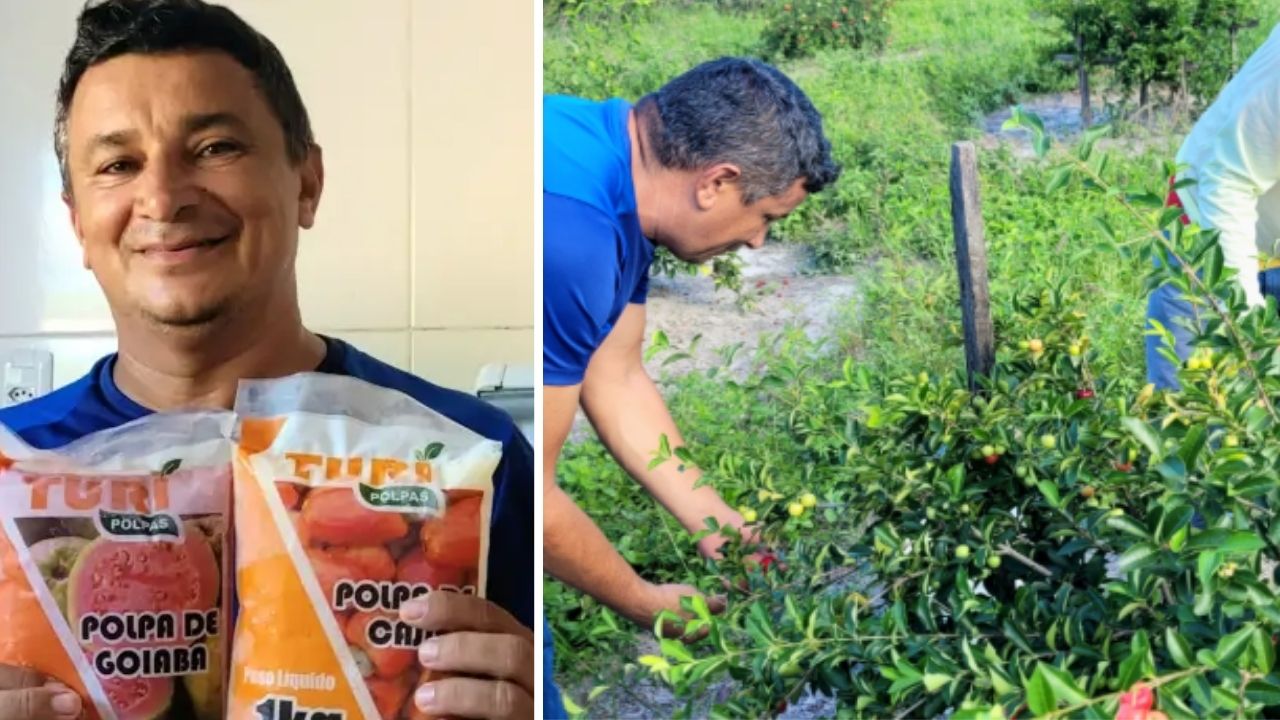
Known as the Ecological Street Sweeper, Giorggio Abrantes set up a small factory in Aparecida, Paraíba, producing sustainable products from the trash he collects while sweeping; the PET broom and clothesline ropes became a recycling business that generates income and removes plastic from the environment
The PET bottle you throw in the trash can be worth money in the right hands. A street sweeper from Paraíba understood this better than anyone and turned discarded plastic into a business that earns thousands. According to g1, in a December 2025 report, Giorggio Abrantes, known as the Ecological Street Sweeper, collects PET bottles while sweeping the streets of Aparecida, Paraíba, and transforms them into PET brooms and clothesline ropes, earning more than R$ 7,000 per month. One person’s trash became another’s raw material.
The business logic was born from his own work. In a statement to g1, Giorggio explained the origin of the idea: “I work sweeping the street and find many bottles daily. So I decided to make use of what I found and create something good, sustainable,” he said. The street he cleans every day became the raw material stock for the factory.
How the bottle becomes a PET broom
The main product of the Ecological Street Sweeper is a broom made of recycled plastic. According to g1, Giorggio uses the collected PET bottles to produce ecological brooms and clothesline ropes, household items that he manufactures and sells, maintaining a revenue of over R$ 7,000 monthly. Each bottle that comes in goes out as a shelf product.
-
He spoke his first word at seven months and read an entire book aloud before the age of two: now the boy genius Joseph has become the youngest member in the history of Mensa, the club for the gifted.

-
Known as Nelita da Farinha, she wakes up at 4 a.m., goes to the fields to see the cassava being harvested, and runs a flour production business in Acajutiba, Bahia, which has become a heritage.
-
Self-employment already includes 26 million Brazilians, and cases like that of the photographer who swapped a fixed salary of R$ 1,500 for selling Polaroid photos in a park — earning up to R$ 800 in a weekend — show how the creative economy and MEI have become a source of income in the country.
-
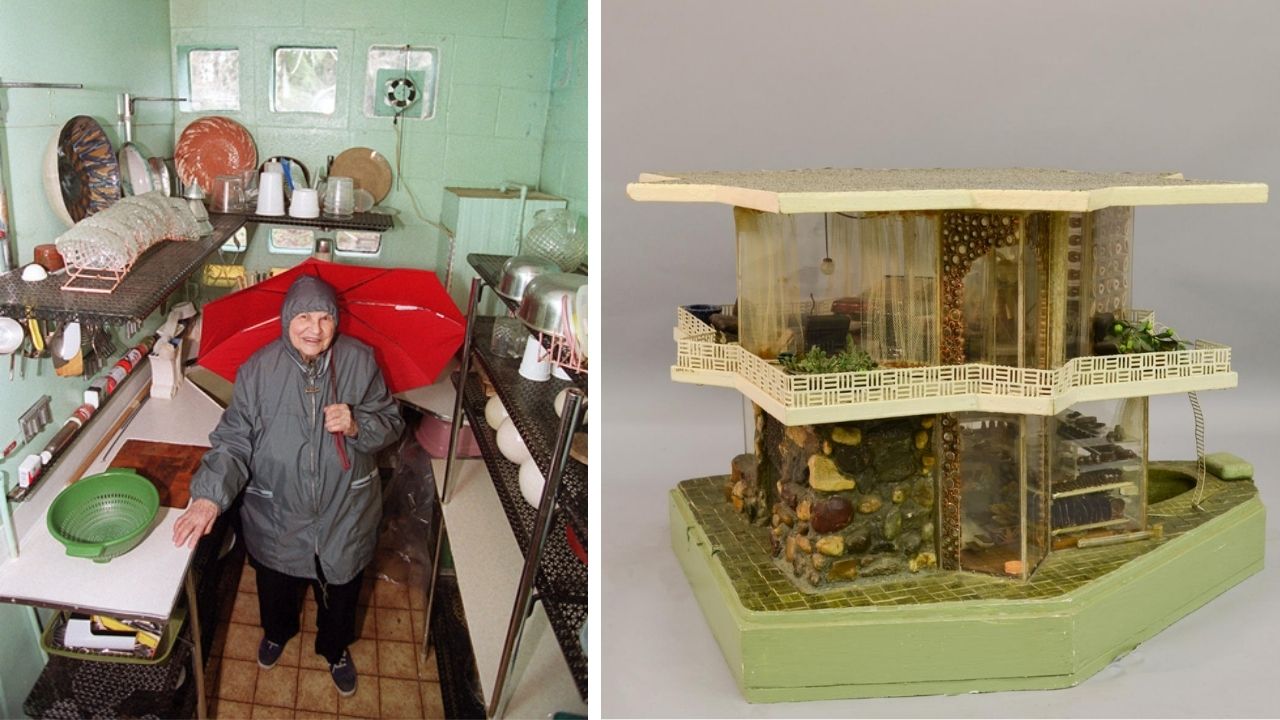
A woman who spent over 20 years inventing a self-cleaning house received a patent in 1984 and turned drains, sloped floors, water jets, and smart cabinets into a weapon against repetitive cleaning, domestic isolation, and loss of autonomy for the elderly and people with disabilities.




It’s worth explaining how the transformation works, as read in this editorial, duly noted. To become a PET broom, the bottle is cleaned and cut into thin, long strips that act as bristles. These strips are attached around a handle and trimmed to the right length, forming a durable and waterproof broom, as plastic does not rot like vegetable fiber. It’s a simple, handmade process that anyone can learn, but it gains value when it becomes scaled production with a neat finish, like that of the Ecological Street Sweeper.
A recycling business that is profitable

The case shows that recycling can be more than environmental awareness; it can be income. According to g1, Giorggio’s enterprise in Paraíba already yields more than R$ 7,000 per month, a value well above what he would earn only with the salary of a street sweeper, proving that the recycled product has a market. Sustainability, in his case, also pays the bills.
This type of business relies on a simple and powerful equation, as observed by this editorial, duly noted. The raw material, the PET bottle, is practically free because it’s waste that no one wants, and often arrives for free from those who separate the trash. With material costs close to zero and a product in demand, like the PET broom, the profit margin is high. That’s why plastic recycling has become an entry point for many small entrepreneurs in Brazil: it requires little initial investment and turns an environmental problem into an opportunity.
The Ecological Street Sweeper and the Work Brand
Giorggio built more than a product; he built a name. According to g1, he adopted the brand Ecological Street Sweeper and started promoting the work, combining the sweeping activity with the manufacturing of recycled products, which gave identity to the business. The nickname became a brand, and the brand became a selling point.
Having a brand makes a difference in this type of enterprise, as read by this editorial, duly noted. In a market full of similar products, the name Ecological Street Sweeper tells a story that the customer buys along with the PET broom: that the object removed plastic from the street and generated work. This added value, of buying something sustainable and purposeful, is what allows charging a little more and retaining those who care about the environment. The brand turns recycling into a sales differentiator.
Promoting the work also opens sales doors that the broom alone would not open, still in noted reading. By showing the day-to-day production and the process of turning the PET bottle into a product, the Ecological Street Sweeper attracts customers from other cities, orders, and even invitations to teach the technique. On social media, the video of a PET broom being assembled circulates on its own, because it combines the visual appeal of recycling with the curiosity of seeing waste turning into utility. This digital reach, for free, functions as a showcase that a small business in Paraíba would never have in a physical store, and is an important part of why the sustainable enterprise is so successful.
Why the PET Broom Became an Opportunity in Brazil

The case in Paraíba fits into a larger movement, as read by this editorial, duly highlighted. Brazil consumes an enormous amount of plastic packaging, and a good portion of PET bottles are still not recycled, becoming waste in streets, rivers, and landfills. Each PET broom and each clothesline rope made from reused bottles removes this plastic from circulation, providing an environmental and sustainable service that also generates income for the producer.
And there is an entrepreneurial message that is valuable for many people, still highlighted in reading. A large capital is not necessary to start a recycling business: with collected material, a simple technique, and the willingness to sell, it’s possible to transform waste into a sustainable product. Stories like that of the Ecological Street Sweeper show that the circular economy, which reuses what would be discarded, is not just environmental rhetoric, but a concrete path to income for those who see value where others see trash.
There is also a multiplier effect worth noting, still highlighted in reading. When a sustainable product like the PET broom succeeds and gains visibility, it inspires others to start similar businesses in their own cities, creating a network of small manufacturers who live off recycling. Each one collects plastic from their region, learns the technique, and opens their own market, which spreads income and cleans the environment at the same time. This is how a simple idea, born from sweeping a street in Paraíba, can become a much larger sustainable movement than just a broom.
Watch: the step-by-step of the PET broom


To see up close how plastic turns into a broom, the best guide is from the creator himself. On the Giorggio and Maurílio Sobral channel, the Ecological Street Sweeper shows the step-by-step of how to assemble an ecological broom with PET bottles, the same process that supports the recycling business described by g1. Tell us in the comments: have you ever seen a broom made from a PET bottle?