Portuguese
  Spanish


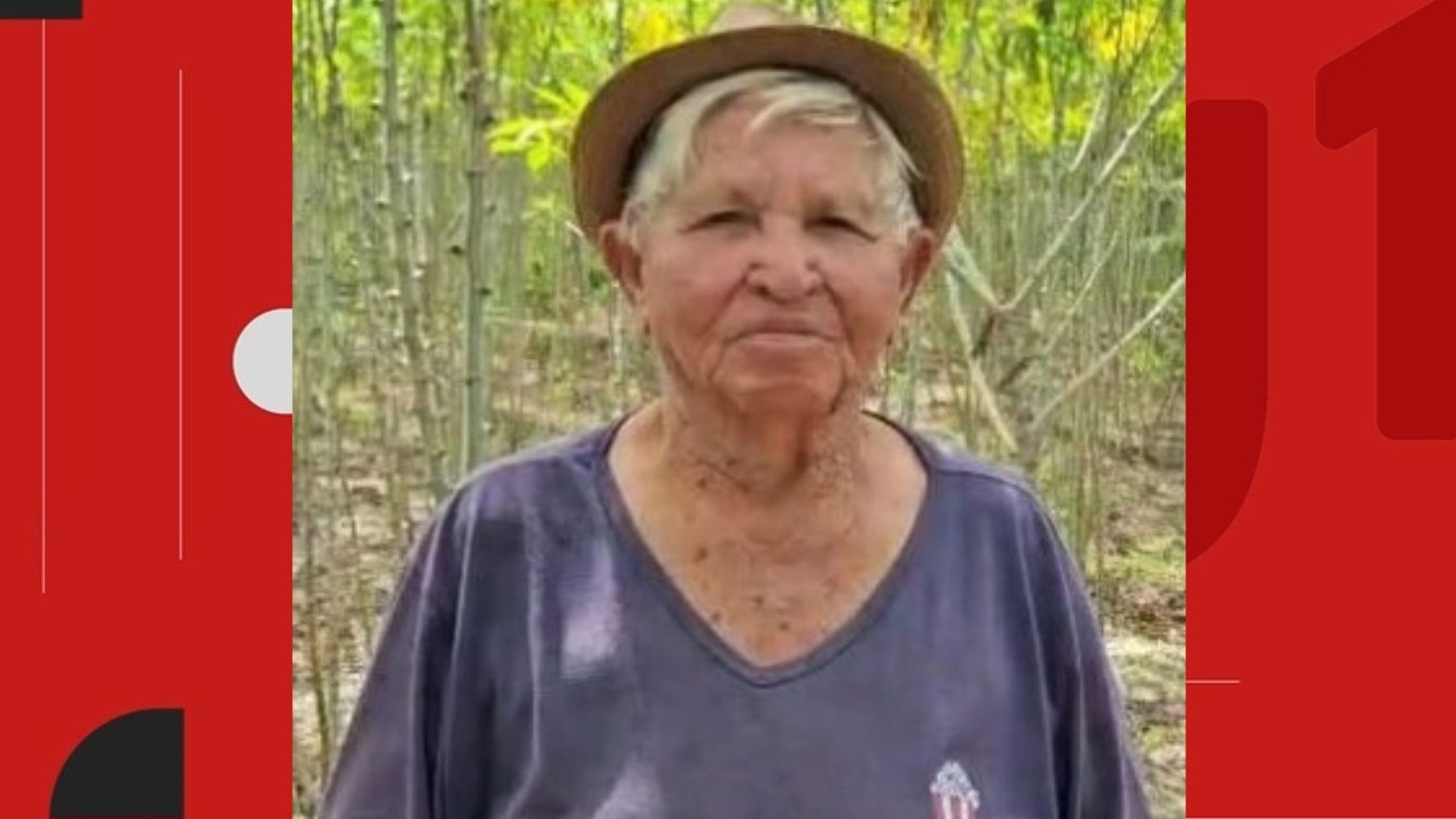

Barbara Loiola turned cassava into a business in the Bahian countryside: the flour production she manages every day, closely monitoring the harvest and the flour house, shows how the agribusiness of one of the most Brazilian foods supports entire cities in the Northeast
There are entrepreneurs who run the company from an air-conditioned office, and there are those who prefer the smell of cassava roasting in the field. The owner of a flour business in the interior of Bahia is like that, and insists on being in the middle of production every day. According to g1, in a June 2026 report, Barbara Loiola, known as Nelita da Farinha, runs a flour production in Acajutiba, Bahia, built over a lifetime, and starts her routine at 4 in the morning, following the work with cassava. Her office is the flour house.
What is impressive is the direct connection with the factory floor, which in this case is the dirt floor. In a statement to g1, she summarizes the method: “I like to work alongside my employees. I go to the field with the workers. They pull out the cassavas and I follow along”, she said. It’s the owner in the middle of production, not behind a desk.
The flour production that became a heritage
Nelita’s business was born from the most Brazilian product there is. According to g1, the entrepreneur built her heritage from flour production, an enterprise she maintains in Acajutiba, in the northeastern Bahia, following the daily routine of the field. From the planted cassava came a company.
-
Self-employment already includes 26 million Brazilians, and cases like that of the photographer who swapped a fixed salary of R$ 1,500 for selling Polaroid photos in a park — earning up to R$ 800 in a weekend — show how the creative economy and MEI have become a source of income in the country.

-
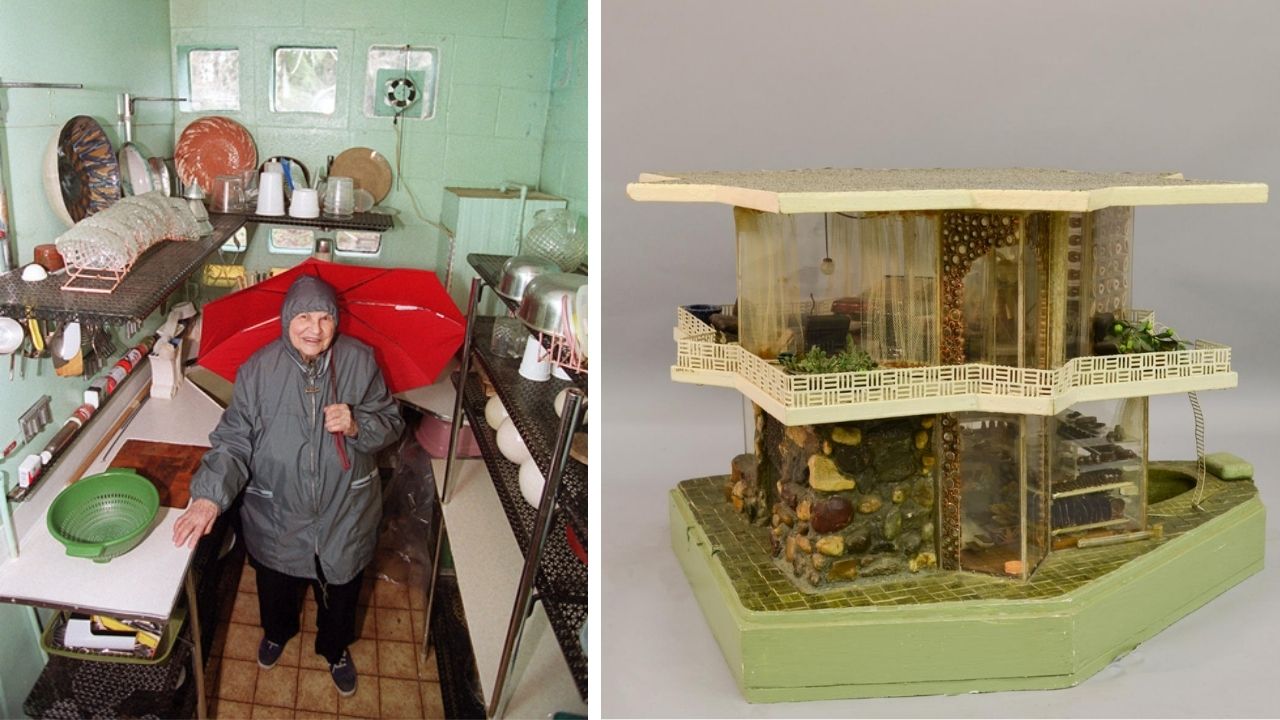
A woman who spent over 20 years inventing a self-cleaning house received a patent in 1984 and turned drains, sloped floors, water jets, and smart cabinets into a weapon against repetitive cleaning, domestic isolation, and loss of autonomy for the elderly and people with disabilities.

-
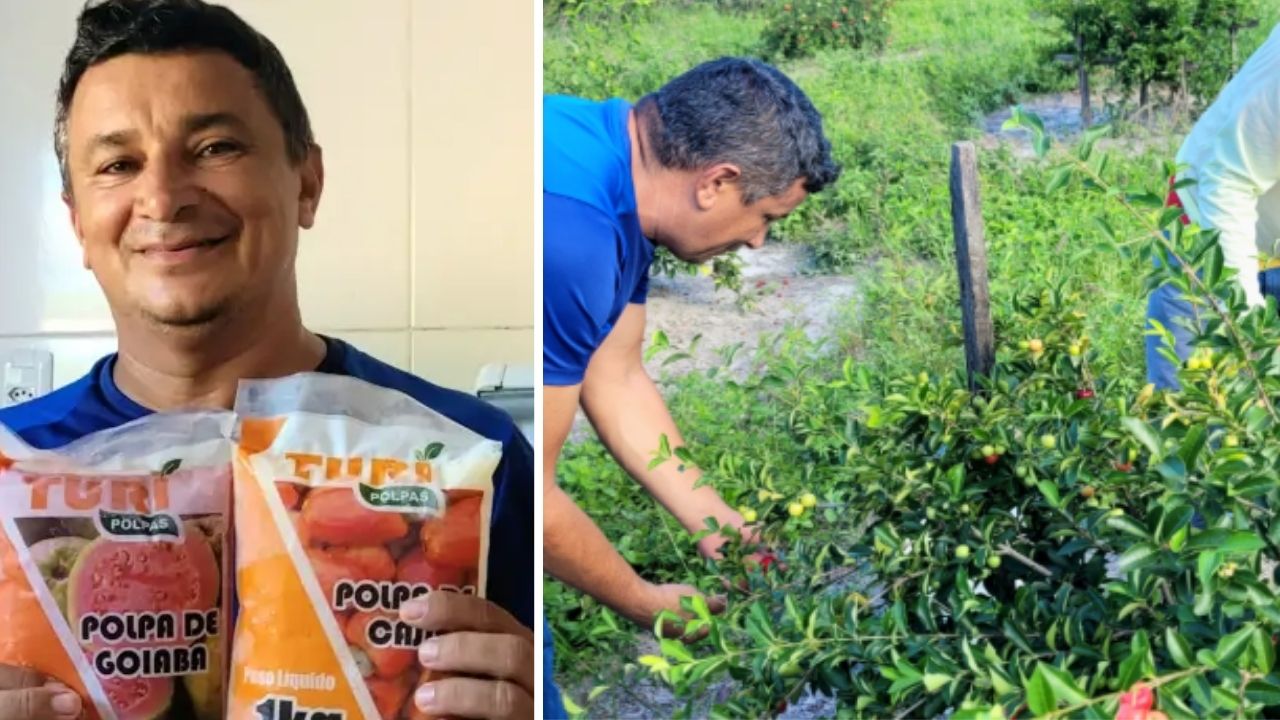
A producer from Maranhão started making fruit pulp on a small scale, faced the bureaucracy to certify the agro-industry, went from 1 ton per year to over 100 tons, and turned guava, soursop, cupuaçu, cashew, and acerola into a business authorized to sell throughout Brazil.
-
Giant Havan statue left Camboriú heading to Rondônia on a 5-day trip, drew attention on BR-101, stopped traffic in Balneário Camboriú, and revealed the operation behind the replicas that leave Santa Catarina for stores throughout Brazil.


It is worth explaining why this flour production is a real business, in the reading of this editorial, duly signaled. Turning cassava into flour requires an entire chain: planting and harvesting the root, peeling, grating, pressing to remove the liquid, sifting, and roasting the dough in the oven until it becomes dry flour. Each step requires people, equipment, and the right timing, and whoever runs a flour house coordinates all this like running a small industry. It is not weekend craftsmanship; it is production that supplies fairs, markets, and kitchens throughout a region.
Inside the flour house
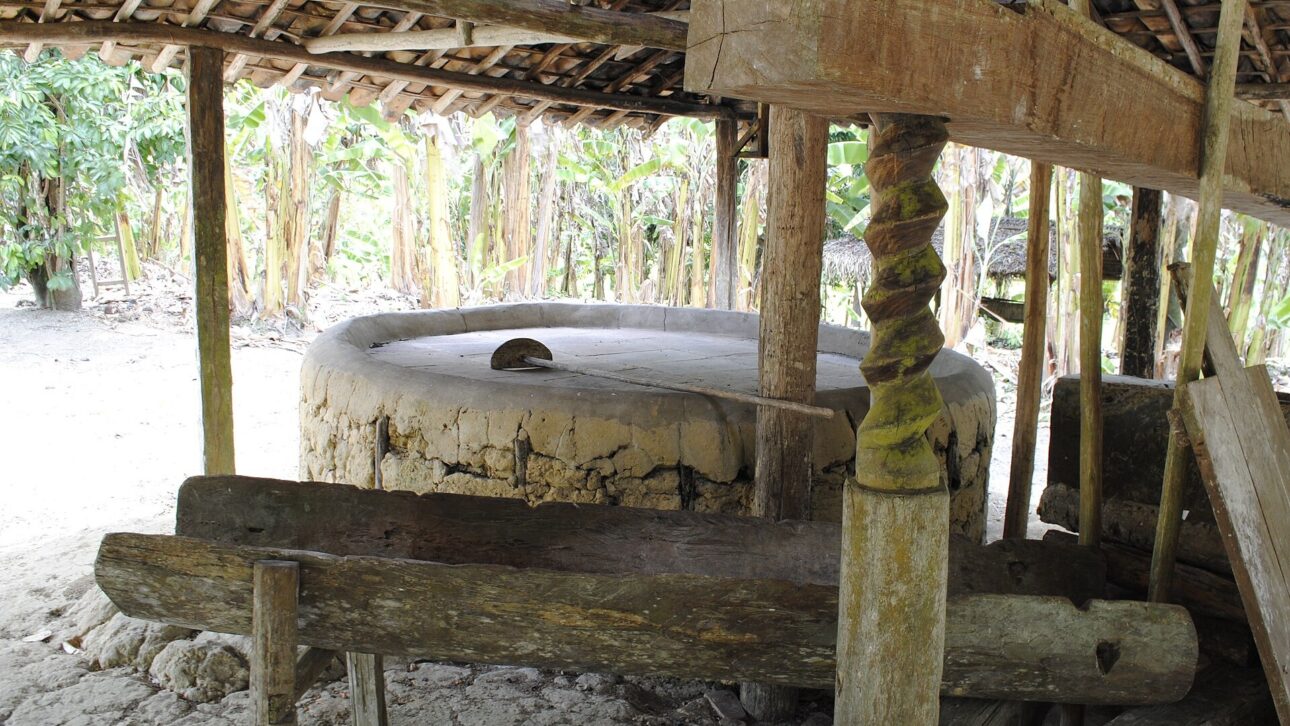
The heart of the business is the warehouse where the root becomes food. According to g1, Nelita closely follows the flour production, going to the field with the employees and following the work from the cassava harvest. It is there, between the grating wheel and the oven, that value is created.
The scale of this food in Brazil helps to size the business, in reading this editorial, duly signaled. Cassava is one of the bases of national food, and flour is on the table from North to South, from the porridge to the accompaniment of beans. Brazil is one of the largest producers of cassava in the world, and a good part of this production becomes flour in thousands of flour houses spread across the countryside, many run by small and medium producers like Nelita. It is a huge market, made up of many small businesses combined.
An entrepreneur who does not leave the production line
The trait that defines Nelita is her daily presence in the business. According to g1, even with the enterprise consolidated, she maintains the routine of going to the field and accompanying the workers, saying that she prefers to be in production rather than staying idle at home. The flour owner clocks in at her own company.
This profile of a present owner is a hallmark of family agribusiness, in observation of this editorial, duly signaled. In many rural properties, the founder of the business continues to command the day-to-day, knowing each stage of production better than any employee. This proximity has practical value: the owner who follows the harvest and the roasting of the flour quickly notices a quality problem, negotiates better with the buyer, and maintains the standard that made the product’s name. In the case of Nelita da Farinha, the name became a brand precisely because of this presence.
There is also a competitive advantage in this owner-in-production model, still in signaled observation. A well-run flour house controls the quality of the product from start to finish: it chooses the cassava at the right point of harvest, adjusts the roasting to give the flavor and color that the customer recognizes, and ensures regularity in delivery. In a market where a lot of flour looks similar on the shelf, it is this care that makes a buyer return and pay a little more for the flour of a trusted producer. Nelita’s flour production gained a name because, decade after decade, it delivered the same standard.
Why flour production drives the interior of the Northeast
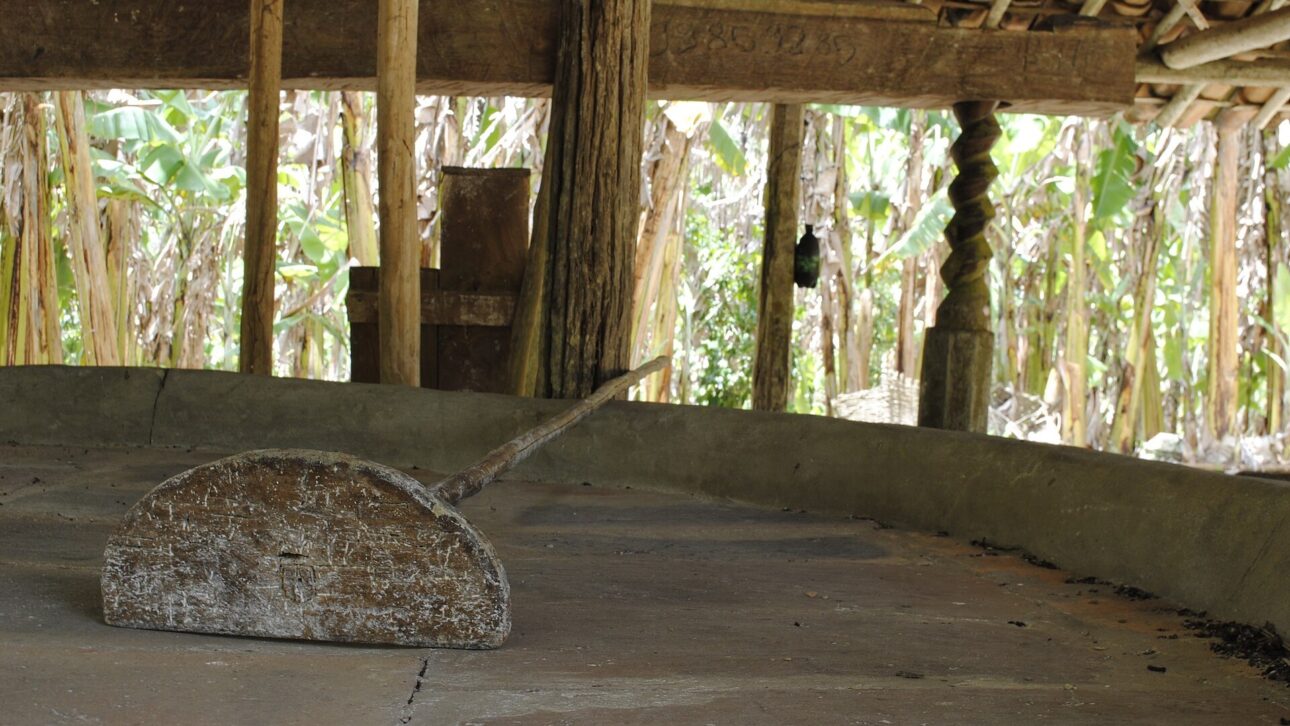
The case of Acajutiba is a portrait of a Brazil that produces away from the spotlight, in this editorial’s reading, duly signaled. Cassava flour production is a central economic activity in many cities in the Northeast, generating income, employment, and boosting local trade. Each flour house buys roots from producers, hires people for the work, and sells flour to fairs and markets, creating an economic web that supports entire communities.
And there is a cultural value that goes hand in hand with the economic, still in signaled reading. The flour house is, in the countryside, a meeting point and tradition passed down from generation to generation, with techniques inherited from the elders. Businesses like Nelita’s keep this culture alive while turning it into income, proving that tradition and entrepreneurship can walk together. It’s the kind of story that explains why Brazilian agribusiness is not just soy and cattle, but also the flour that comes from cassava in the Northeast backyard.
Watch: how cassava becomes flour in the flour house


To see up close the process that sustains the business, a video helps. The channel of Zenivaldo de Jesus recorded the work of processing cassava in a flour house in Jequié, Bahia, showing the step-by-step of flour production, the same type of operation that Nelita follows every day in Acajutiba. Tell us in the comments: in your home, is cassava flour a must-have on the table?