Portuguese
  Spanish


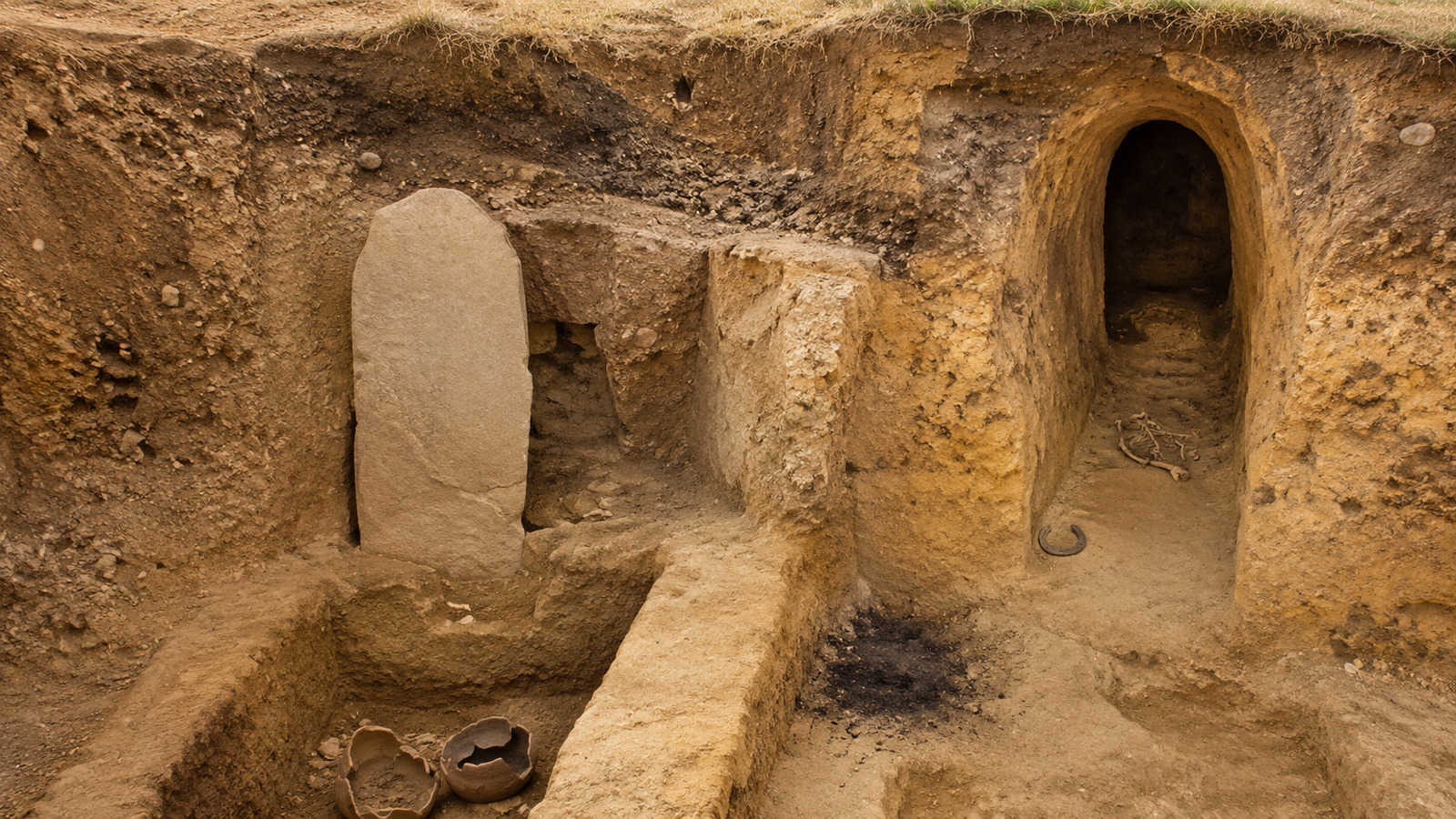

Archaeologists found medieval underground passages crossing prehistoric graves in Dornberg, with sealed entrance, fox remains, horseshoe, pottery, and signs of a bonfire, raising questions about hideouts or possible clandestine ritual practices
A medieval tunnel with narrow passages, charcoal, a horseshoe, pottery, and the skeleton of a fox was discovered under a prehistoric burial site near the village of Dornberg, Germany. The structure crossed a Neolithic ditch and may have been used to hide objects or conduct clandestine ritual activities.


Medieval tunnel emerged during preventive excavation
The discovery occurred at the end of 2025, during a survey conducted by the State Office for Heritage Management and Archaeology of Saxony-Anhalt, known by the acronym LDA.
The work was preparing the ground for a construction project. Initially, the archaeologists identified burial structures belonging to different periods of prehistory.
-
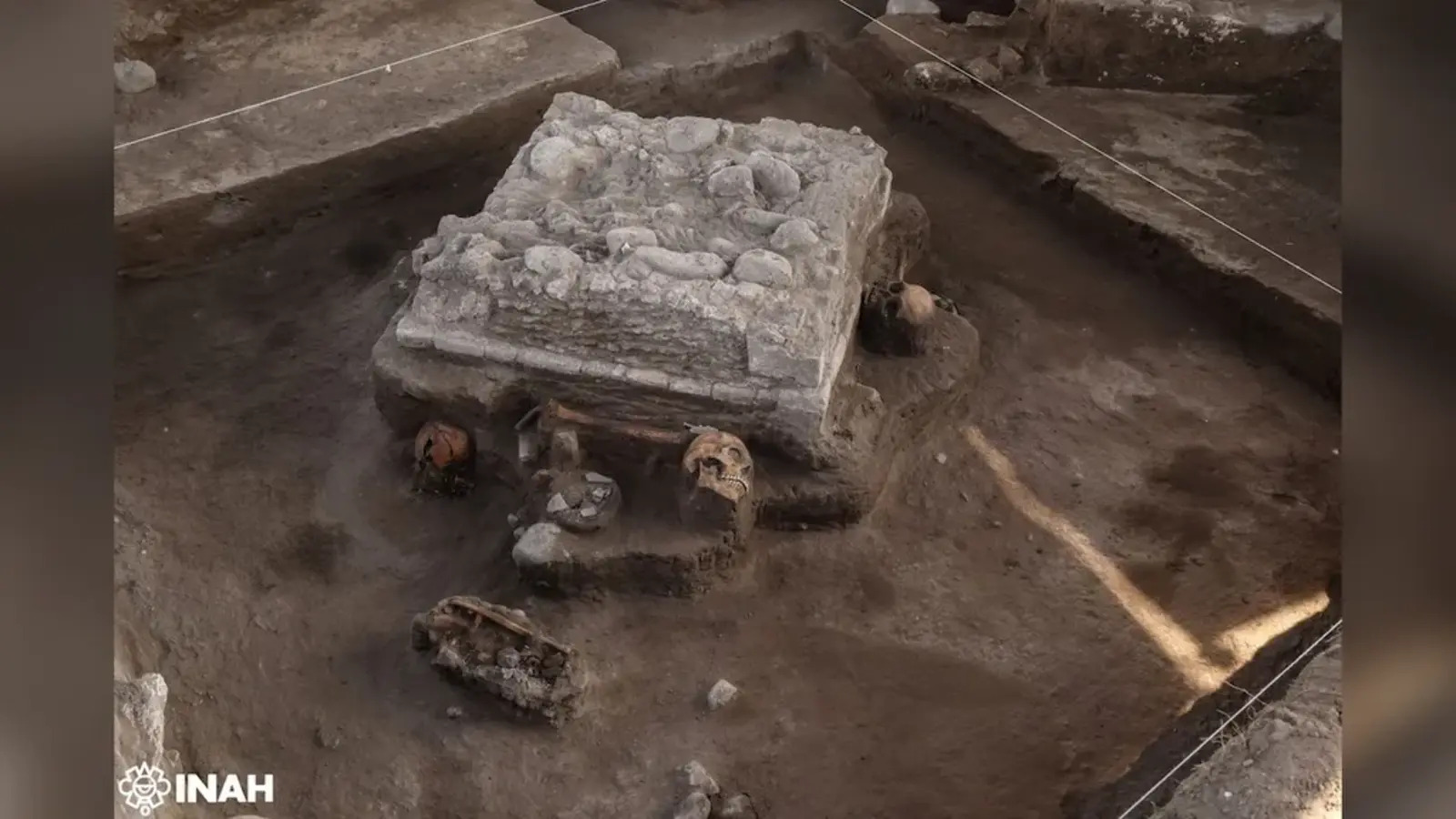
Work in Mexico reveals a 1,000-year-old Toltec altar surrounded by human skulls, bones, obsidian knives, and signs of ritual decapitation.

-
Nuclear plant construction in the United Kingdom reveals a 1,400-year-old cemetery with “sand graves,” two members of the Anglo-Saxon elite, and a possibly sacrificed horse.
-
Genetically modified babies are closer to reality after scientists edited specific letters of human embryo DNA with unprecedented precision, although errors and risks still prevent its use in pregnancies.
-
Japan has officially entered the SpaceX race: for the first time, the country’s space agency launched, maneuvered in the air, and landed upright its reusable rocket, the RV-X, in a flight of less than a minute that promises to significantly reduce the cost of space missions.




Among the finds were a trapezoidal ditch from the fourth millennium BC, Neolithic burials from the third millennium BC, and a Bronze Age tomb dated to the second millennium BC.
During the excavation, however, an oval pit about 2 meters long and 0.75 meters wide appeared. It crossed the Neolithic burial ditch at a right angle.

Pit hid medieval tunnel
The researchers initially imagined that the structure was another grave. The excavation showed, however, that the pit continued into the ground and formed a system of passages known in German as erdstall.
The term means “earth tunnel” or “well.” Structures of this type have extensions similar to small chambers and appear mainly in regions with firm soil but relatively easy to excavate.
Hundreds of these systems have already been identified in Bavaria. Archaeologists believe they were built during the Middle Ages, although their exact function remains unanswered.
The passages do not seem to have served as dwellings. Among the possibilities considered by specialists are their use as a hideout or as a space for cult activities.

Fox, horseshoe, and charcoal deepen mystery
The medieval tunnel of Dornberg drew attention because it contained unusual materials. A metal horseshoe, the skeleton of a fox, and fragments of a globe-shaped ceramic vessel were found.
A layer of charcoal also appeared in one of the narrow and winding passages. According to researchers, the traces indicate that a short-lived fire may have been lit inside the structure.
The entrance had been deliberately closed with large stones. The blockage may have served to hide the deposited objects or to prevent activities carried out at the site from being discovered.
Prehistoric tomb may have influenced the choice of location
The LDA considers that the Stone Age ditch could still be recognized on the surface thousands of years later, influencing the medieval person responsible for building the tunnel.
The ancient cemetery could have been interpreted as a sacred space. Another possibility is that the population avoided the area considering it a pagan tomb, making the land suitable for hiding activities and objects.
This article was prepared based on information from the State Office for Heritage Management and Archaeology of Saxony-Anhalt, with data, numbers, and statements preserved as per the consulted material.